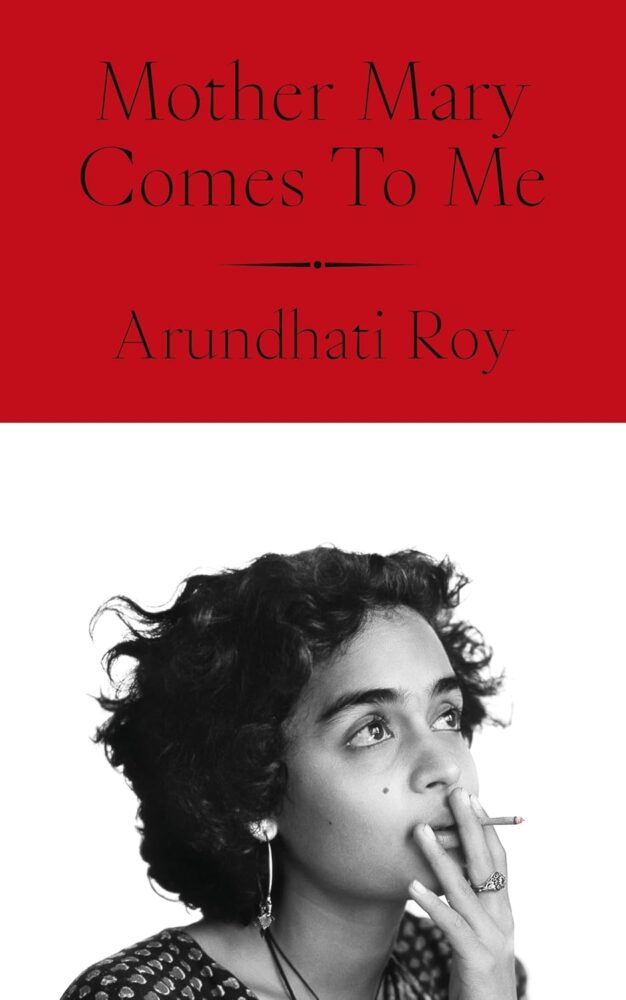
Arundhati Roy’s most personal story yet
Why this matters: an international story with cross-border implications worth tracking.
Arundhati Roy has become the figure of brilliance and rebellion; a literary giant who hails from Kerala, India and lays bare the emotional and political realities of her homeland. Her stories can unsettle a reader but equally compel them to turn the next page to follow the complex nature of her stories. She won The Booker Prize in 1997 for her novel The God of Small Things, which was published against a backdrop of what would become a turbulent time in India as far-right Hindu nationalists took power. Roy has been a fervent critic of the regime, labelled as a traitor on many occasions and accused of “corrupting morals”. She has spent days in court to defend her work and her thinking; because they unmask the secrets of the country’s politics through the struggle and deprivation of the people. Her latest memoir, Mother Mary Comes to Me, is no different in the way she lays out themes of politics that undermine women but raises them at the same time. When I set out to read the novel through The Johannesburg Book Club, I did not know what to expect. I have always admired Roy as a commentator of global politics because she has an intelligent way of identifying complex subjects and speaking about them in a literary context. She has written non-fictional works, among them My Seditious Heart, Azaadi (meaning freedom) and The Architecture of Modern Empire. She uses revolutionary words and speaks of rebellion and change in a way that inspired a generation fighting the good fight; not just in India. Her prose has reached the hands of many South African readers as well. She came here in 2018 to discuss her book The Ministry of Utmost Happiness, which was longlisted for the Booker Prize in 2017. I was utmostly happy to see her in the flesh and watch as words that could inspire change fell so eloquently from her lips. I imagined her to have a background in literature, language and politics from a respected institution. I imagined her walking around university corridors in a sari w