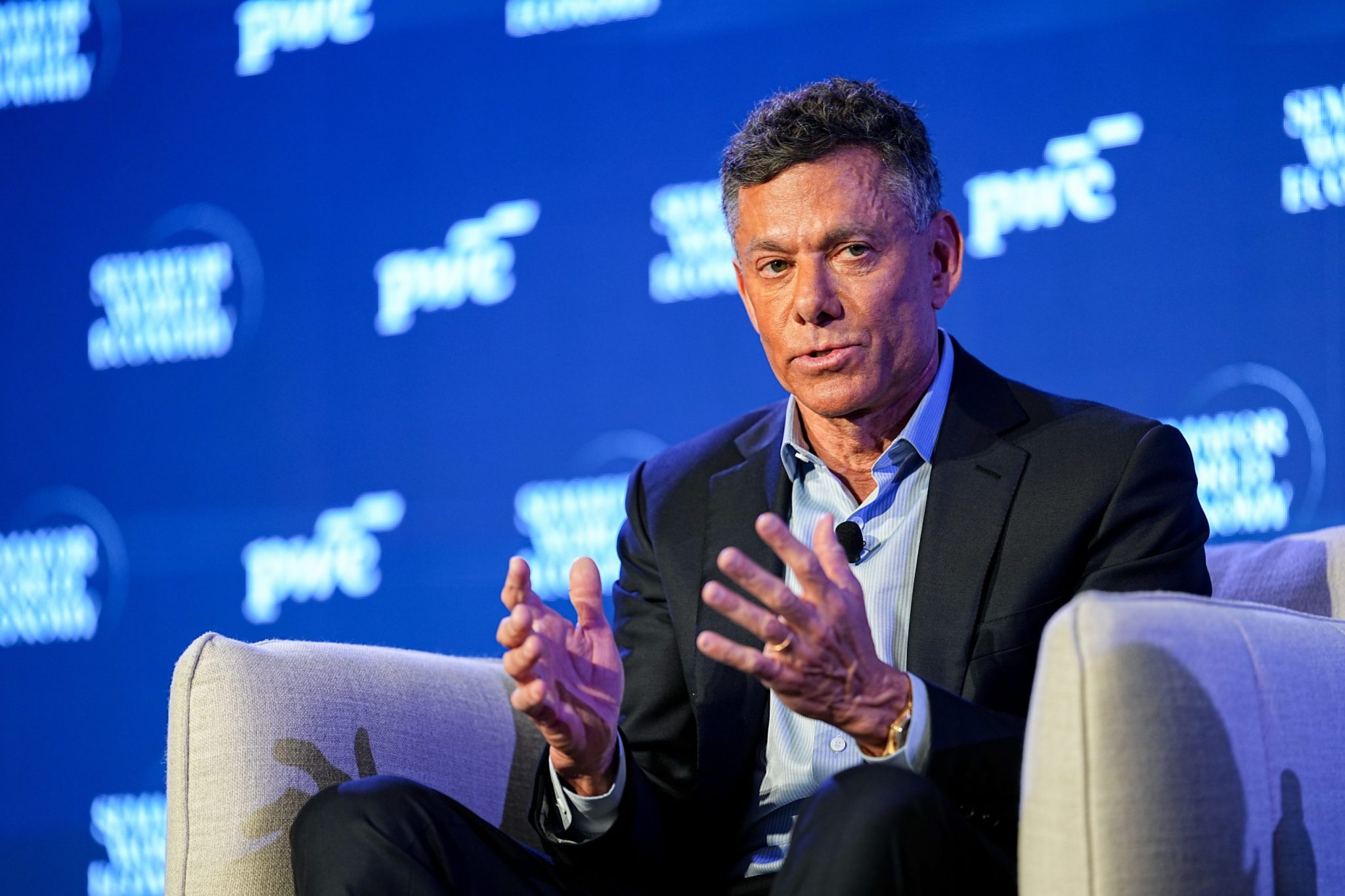
The CEO behind Grand Theft Auto VI doesn’t play video games, but analysts say he has put $1.5 billion behind the biggest game launch of the decade
After 15 years churning out hit titles like Grand Theft Auto, Red Dead Redemption, and NBA2k, this CEO knows what makes a hit—even if he doesn’t play video games himself. Strauss Zelnick, a Harvard Law School and Harvard Business School graduate, has been CEO of Take-Two Interactive Software since 2011. During that time, he has helped skyrocket the company’s stock price by more than 1,600% from about $12 per share when he took charge to nearly $240 per share. He has also quintupled the company’s net revenue during his tenure, with 2025’s full-year number coming in at $5.6 billion compared to less than $1 billion before he took over. He has been massively successful at the game publisher despite the fact he doesn’t play video games. He may watch others play, but he doesn’t think it’s necessary that he be the one holding the controller, he recently told Business Insider. “I don’t think being consumer-in-chief really helps a CEO be effective in this business,” he said. For the leader of a company selling a vice-laden game, Zelnick’s habits are tame. The Take-Two CEO doesn’t drink, smoke, and works out nearly every day, and sometimes twice a day, Business Insider reported. Now, Zelnick is preparing for potentially the biggest game launch of the decade as Take-Two prepares to release Grand Theft Auto VI this fall amid increasing competition and economic uncertainty. He has already run into some controversy ahead of the launch. Take-Two announced last week that the new edition of the Grand Theft Auto franchise will start at $80 and will not include a physical copy, which has some gamers questioning whether the game will be truly theirs. While the video game market stood at a whopping $219 billion in 2024, the competition in games has exploded over the past decade or so, with 19,000 games being released in 2023 for consoles and PC, compared to just under 2,000 in 2014, according to data from consulting firm Bain & Company. The Iran war,