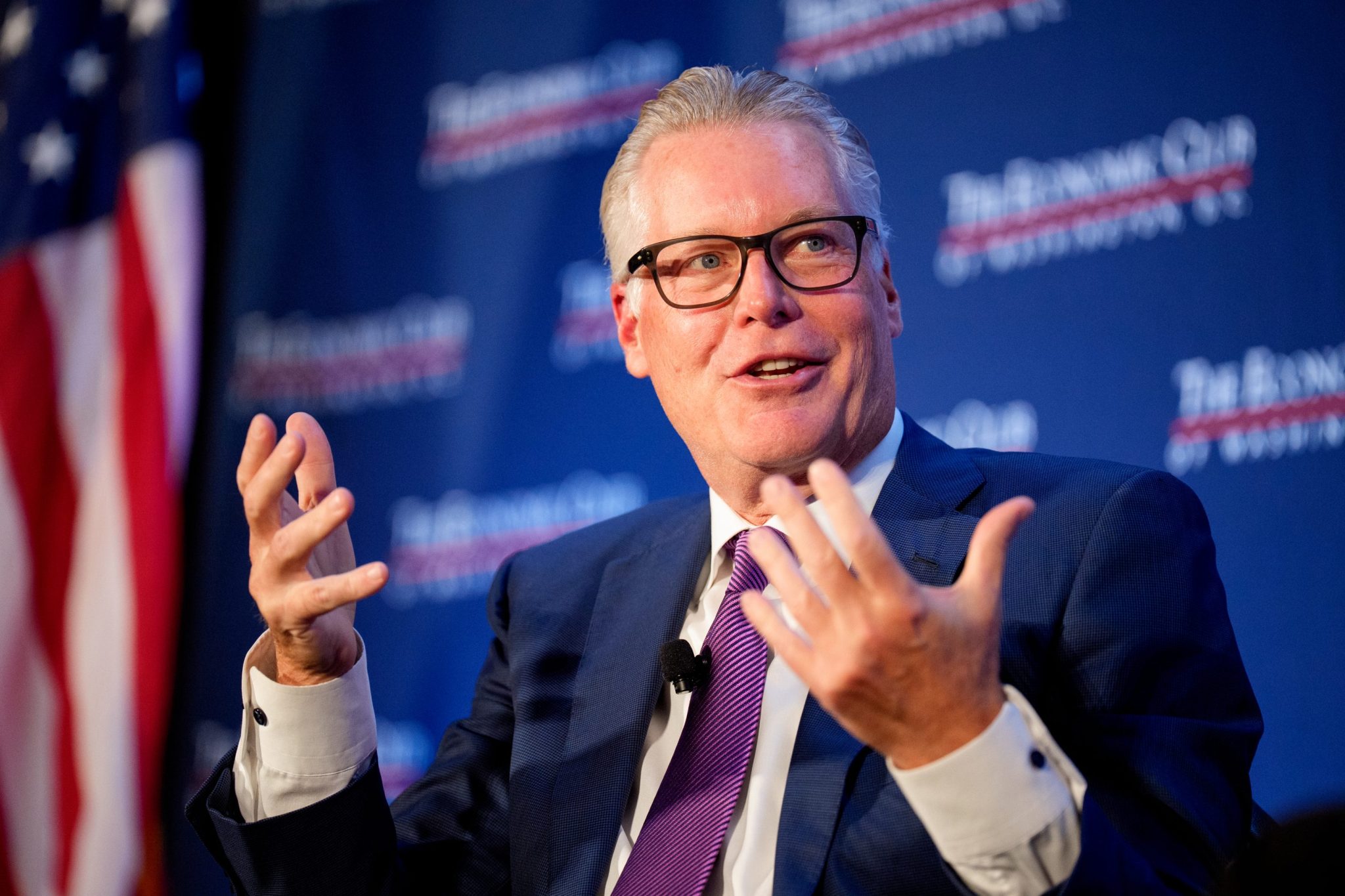
Delta’s CEO let AI write a speech for Gen Z college grads—but he threw it away and started over with pencil and paper for one key reason
As the class of 2026 walks across the stage this graduation season, there may be no larger elephant in the room than artificial intelligence. The technology promises great innovation, but it is making young people anxious about their own career prospects and whether the four-year college grind was worth it in today’s job market. And even Fortune 500 CEOs are still navigating how to use AI meaningfully. When Delta Air Lines CEO Ed Bastian sat down to prepare his commencement address for Emory University, he experimented with AI as a shortcut to save time—but ultimately found the result lacking. “In composing these remarks, out of curiosity, I asked AI to prepare the address. And I was amazed at how quick and easy it was generated,” Bastian told Emory graduates on Monday. “But I also noticed the lack of soul nor warmth it conveyed. It was not my personal voice, and it did not express my genuine appreciation for the opportunity to impart my insights to thousands of you. You want to hear from me, not some algorithm of me.” So, instead of delivering a lackluster AI-powered speech, the 68-year-old scrapped the draft entirely. “So don’t worry,” he said. “I threw it away and took pencil to paper,” drawing applause from the crowd. Ed Bastian’s advice for Gen Z: protect your authenticity—and avoid cutting corners In an era when companies are increasingly embracing AI to maximize productivity, some executives have gone as far as creating digital replicas of themselves. For example, CEOs at Klarna and Zoom, have experimented with AI avatars and agents capable of attending meetings or delivering messages on their behalf. For Bastian, though, AI is best used as a tool to enhance work—not replace workers. He told graduates that authenticity and character remain among the hardest qualities for technology to replicate—and among the most important to protect. “The most important asset that you have is your good name,” he said to graduates. “It’s your brand. It’s what you stand for. A