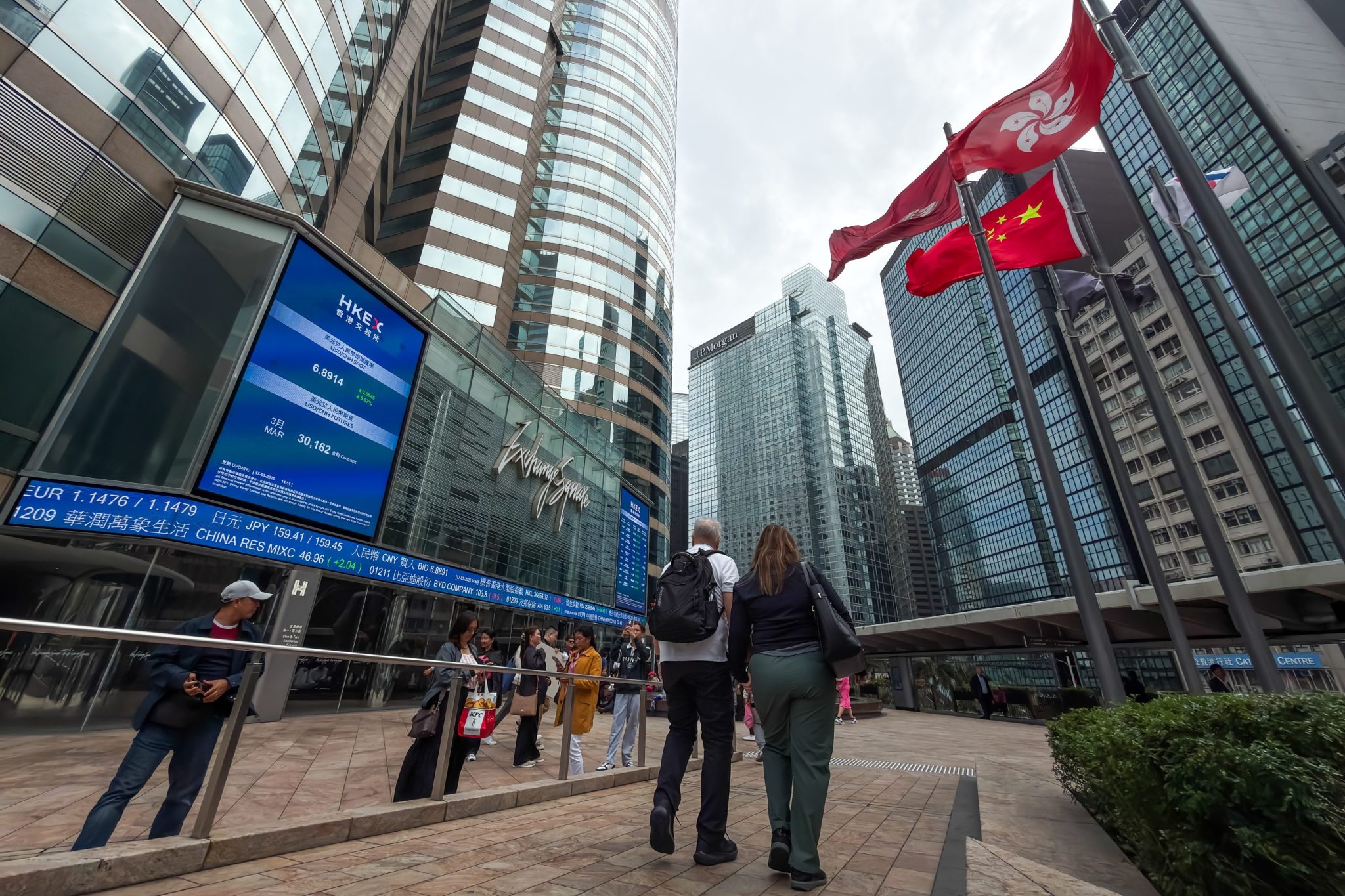
Hong Kong is the hub for China’s AI IPOs. It can be so much more than that
The past two years have been nothing short of extraordinary when it comes to the surge in investor confidence in China’s AI sector. Startups like Moonshot AI and giants like Alibaba are now part of the global AI conversation; no discussion of AI, even in the U.S., is complete without some reference to the high-quality, open-source models China puts out. It’s clear what locations are shaping China’s AI landscape: Shenzhen, Hangzhou and Beijing, for example. But what about Hong Kong, the most international and open city on Chinese soil? What is its role in China’s AI revolution? Must it play second fiddle to cities on the mainland, or can it influence and enrich the national, and global, AI ecosystem? Hong Kong, of course, already has a role as a financing hub. The city topped the global IPO charts last year, for the first time in six years, after raising a whopping $34.3 billion in funds. Hong Kong could leverage this lead to help develop AI for the financial sector, particularly in the Asian context. But there’s more to Hong Kong than just finance and venture capital. It’s clear that the city can be the international headquarters for leading Asian AI companies. Late last year, Alibaba and Ant bought 13 of the 24 floors of a Causeway Bay office tower, positioning Hong Kong as their base for international expansion. AI startups throughout the rest of Asia, and especially ASEAN and Central Asia, could also consider Hong Kong as their launchpad for global expansion. The city can generate substantial value from cultivating AI-adjacent industries, such as risk and insurance advisory services for Chinese founders who hope to navigate complex regulatory and policy environments abroad, or who need legal and compliance support in tapping Hong Kong’s robust patent law system. Private sector players will also find Hong Kong easier to operate in than mainland China when it comes to crafting the best corporate practices on AI adoption, diffusion, and integration. The