The dollhouse just got an ingenious design update
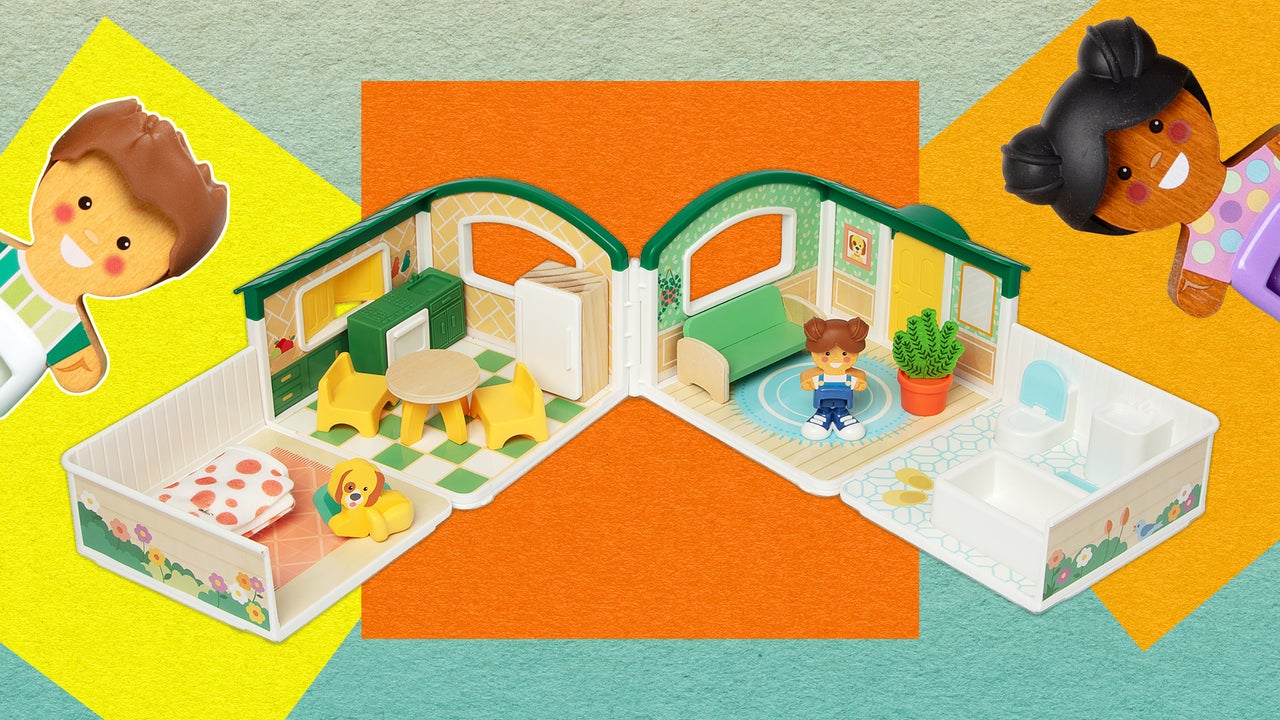
The cutaway has been the default design of dollhouses for generations. Like a house that’s been sliced in half from the roof to the floor, this conventional dollhouse design is a standard part of many childhoods. But for very young children, the cutaway dollhouse isn’t very easy or fun to play with. “They’ll be reaching to try to get the figure in and out of the door and the table will get knocked over, or they’ll be reaching and trying to get someone in the bathroom and they’re not really seeing the action,” says Sofia Dumery, head of design at the toymaker Melissa & Doug. That’s why Melissa & Doug created Cheery Lane, a product line centered on a dollhouse designed to be played with from the top down. Aimed at 2- to 4-year-olds, Cheery Lane’s dollhouse comprises four small rooms with short corner walls and no ceilings, each accessible to the still-bumbling hands of very young children. Complete with small, easily gripped figurines, furnished rooms, and movable household objects, the dollhouse meets young children where their play modes and ergonomic abilities overlap. [Photo: Melissa & Doug] “Having the child access from the top means they can just easily put the figure in the bathtub. And they love doing this; especially, they love tucking in and nurturing the little figure, putting it in the bed,” says Dumery. “At 2 years old, they’re really into just having the figure go in and out of the house. So, of course, you have a door. They love the door. They love the windows, and popping those open.” A eureka moment Dumery says the concept for Cheery Lane came from noticing frustration among younger kids when playing with conventional dollhouses. With Melissa & Doug’s focus on open-ended play, Dumery and her team saw room to give younger kids more play opportunities through a different kind of dollhouse. As it does with all its toys, the company field-tested this new idea with ac