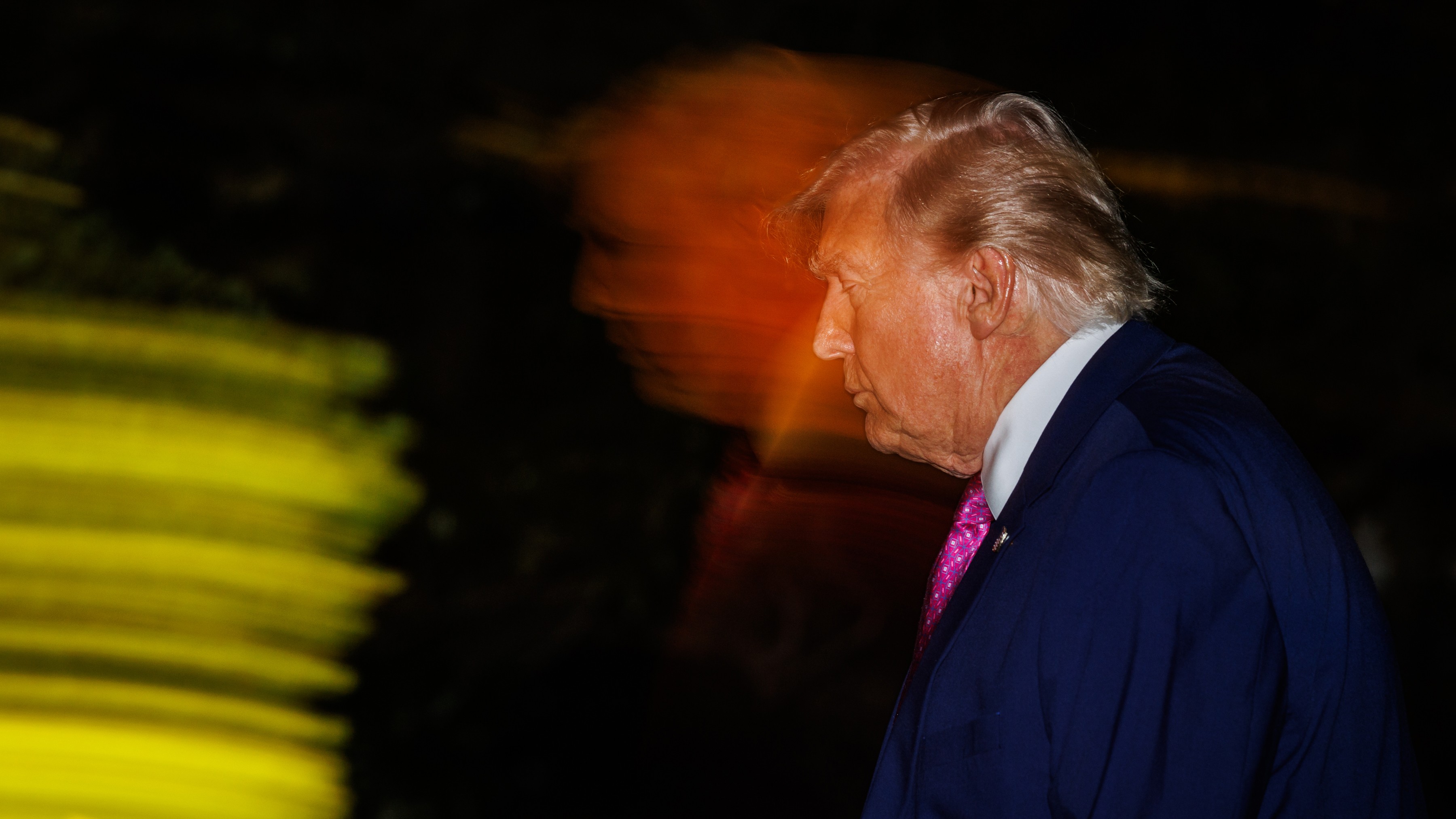
Trump Has Gone From Unpredictable to Unreliable
In July, on the manicured grounds of President Trump’s Turnberry golf resort in Scotland, the Trump administration struck a trade deal with the European Union. The agreement—centered on a 15 percent tariff on most European exports—was an uneasy compromise designed to avoid a bigger clash.By early fall, the deal was headed into the rough. Lawmakers in the European Parliament—rattled by Trump’s renewed talk of acquiring Greenland—questioned the durability of any agreement tied so closely to Trump’s coercive and shifting demands. Inside the Trump administration, officials were already discussing a far steeper tariff regime—up to 50 percent—if Europe didn’t yield, two U.S. officials told me. This month, after German Chancellor Friedrich Merz said the U.S. was being “humiliated” by Iran at the negotiating table, Trump accused the EU of backsliding on the deal and threatened new duties of 25 percent on European cars, an escalation that was poorly received in Brussels. “A deal is a deal, and we have a deal,” European Commission President Ursula von der Leyen said recently. “And the essence of this deal is prosperity, common rules, and reliability.”Reliability. It’s a word I hear constantly from officials around the world when the conversation turns to the Trump administration—and especially, these days, the Iran war. In the past, Trump supporters, and even many U.S. allies, viewed Trump’s famous unpredictability as unorthodox but at times effective, a useful means of wrong-footing opponents or shaking up the tired status quo.Many now see something more unsettling in Trump’s international relations, including in the 10-week war: What once was viewed as strategic unpredictability now feels like destabilizing unreliability. The foreign officials I spoke with pointed to sharp reversals in U.S. policy and the wide disconnect between official administration doctrine and Trump’s social-media pronouncements. “Unpredictability is one thing; reliability is another,” one Arab officia