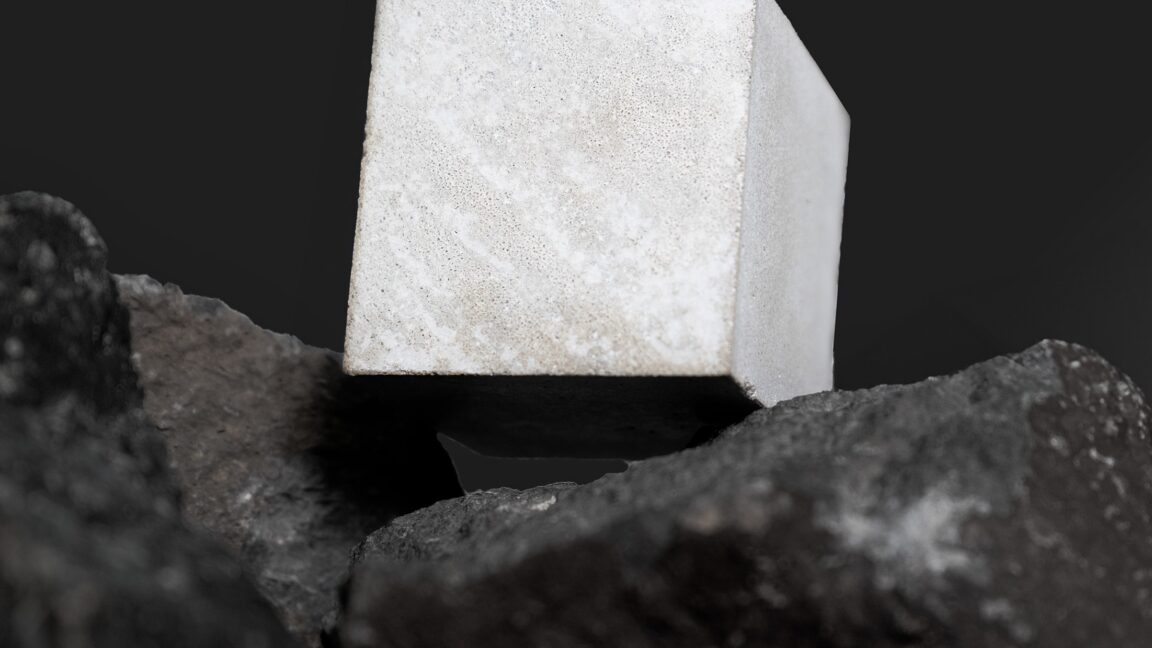
Making cement from a different type of rock could clean up emissions
Cement production alone currently accounts for about 8 percent of global CO2 emissions, so considerable effort is going into lowering that number. Efficiency can be increased, and energy sources can be swapped for cleaner ones, but a stubborn reality remains: The byproduct of turning limestone into lime during cement production releases CO2 gas. These “direct process emissions” are actually slightly larger than the emissions from burning fuel to heat the kilns and drive this process. A new paper in Communications Sustainability suggests a route to eliminating direct process emissions by removing a bedrock assumption. What if we don’t have to use limestone cement? Get out of Portland The material we call “Portland cement” was developed in the 1800s. It simply requires heating limestone (calcium carbonate) and adding something like clay or coal ash. This gives you the calcium oxide (lime) you’re after but also releases the CO2 that results when you pull an oxygen atom from carbonate.Read full article Comments