NASA to Preview Katalyst Mission to Boost Swift Spacecraft’s Orbit
Why this matters: new research or scientific developments with potential real-world impact.
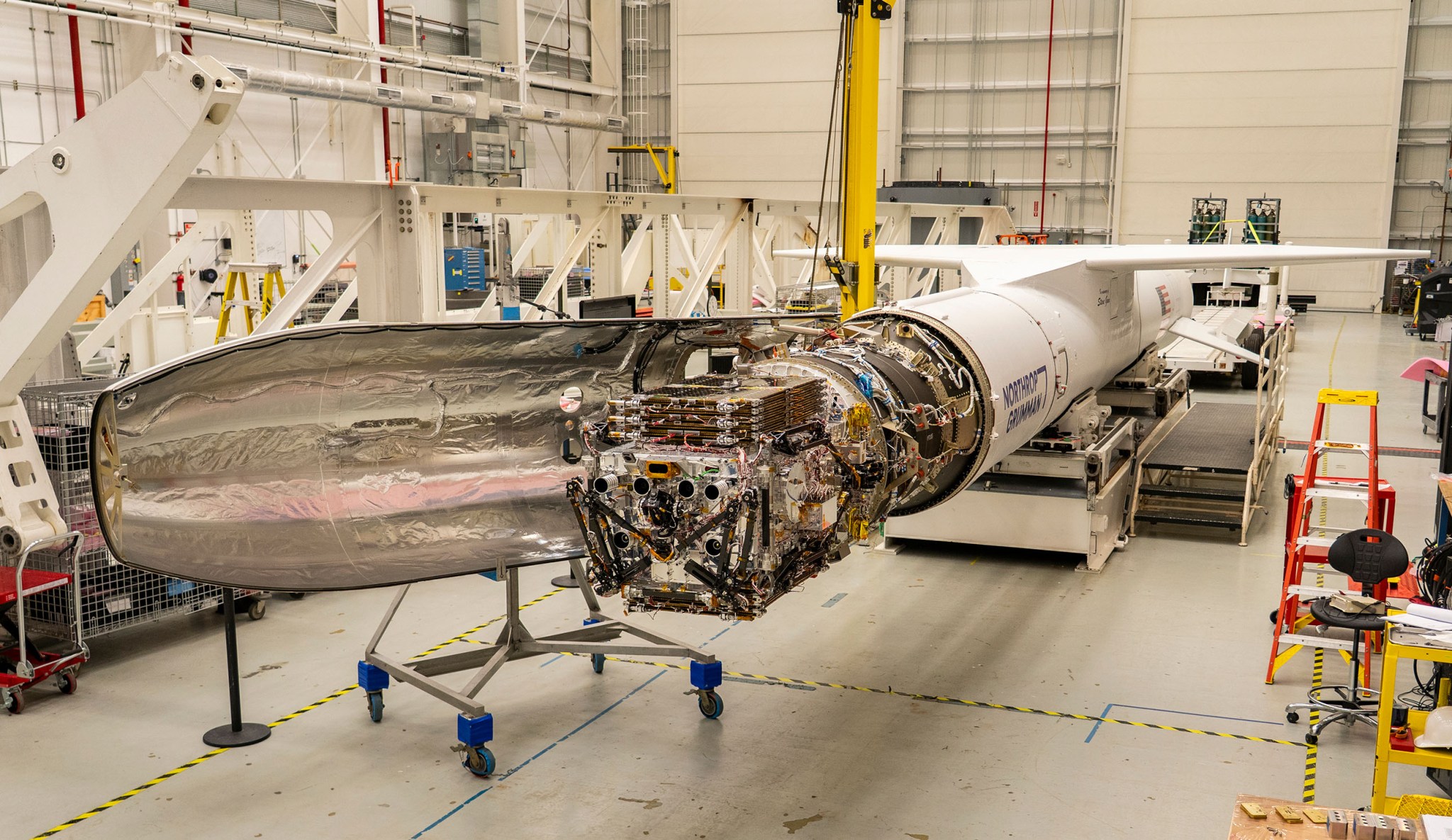
Katalyst Space’s LINK robotic servicing satellite awaits encapsulation inside a Northrop Grumman Pegasus XL on June 8, 2026, at NASA’s Wallops Flight Facility in Virginia. The rocket will carry LINK to space for an attempted orbital boost of NASA’s Neil Gehrels Swift Observatory.Credit: NASA/Ron Beard NASA will host an audio-only media teleconference at 11 a.m. EDT, Wednesday, June 17, to preview the Katalyst Space mission to boost the orbit of NASA’s Neil Gehrels Swift Observatory. Katalyst’s robotic servicing spacecraft, called LINK, will attempt to rendezvous with Swift and raise its altitude, extending its science mission lifespan and advancing a key capability for the future of space exploration. The LINK spacecraft will launch on Northrop Grumman’s Pegasus XL rocket later this month from Kwajalein Atoll in the Marshall Islands. Media interested in participating by phone must RSVP no later than two hours before the start of the call to Amy Barra at: amy.l.barra@nasa.gov. NASA’s media accreditation policy is available online. Audio of the media teleconference will stream on the agency’s website at: https://www.nasa.gov/live Participants in the media teleconference include: Shawn Domagal-Goldman, division director, Astrophysics, NASA Headquarters in Washington Brad Cenko, principal investigator, Swift, NASA’s Goddard Space Flight Center in Greenbelt, Maryland Kieran Wilson, principal investigator, LINK, Katalyst Space Robert Lamontagne, vice president, strategic partnerships, Katalyst Space Wes Collier, vice president, launch systems, Northrop Grumman The Swift mission, which launched in 2004, leads NASA’s fleet of telescopes in studying changes in the high-energy universe, like gamma-ray bursts, which are the most powerful explosions in the cosmos. When a rapid, sudden event takes place in the sky, Swift serves as a “dispatcher,” providing critical information that allows other “first responder” missions to follow up to learn more about how the universe wo