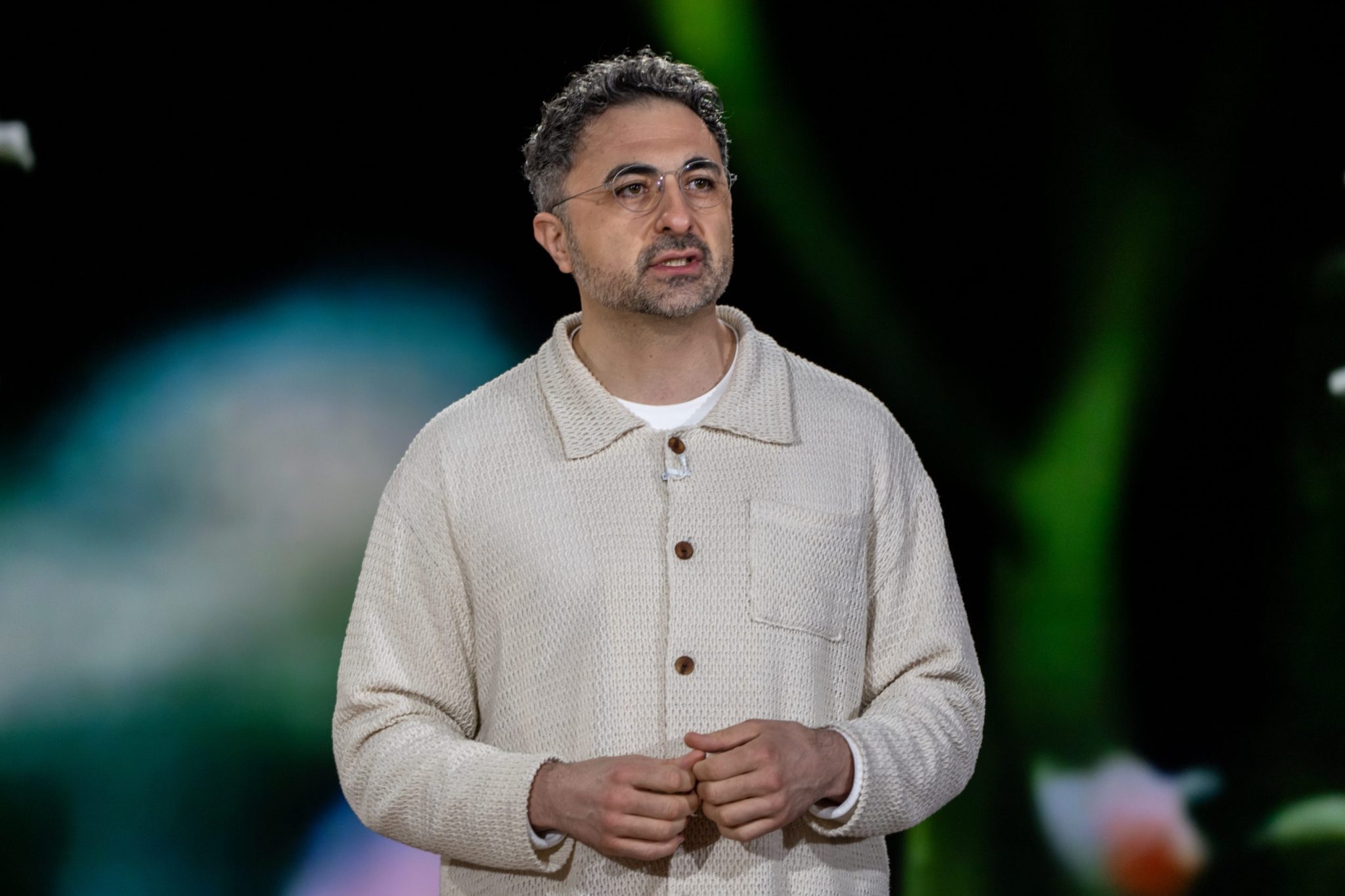
Microsoft AI chief gives it 18 months—for all white-collar work to be automated by AI
For the back half of the 20th century (what Fortune founder Henry Luce called “The American Century”), MBA and law degree programs were a ticket to a great office job and a path to the American Dream. The 21st century is asking the question: What happens when all those office jobs get automated? In a conversation with the Financial Times earlier this year, the CEO of Microsoft AI, Mustafa Suleyman, delivered another in a series of predictions from AI leaders that white-collar work is on the precipice of a radical transformation thanks to AI. His timeline is 18 months until those law school and MBA grads—and many less-credentialed peers—are out of luck. Suleyman predicted “human-level performance on most, if not all professional tasks” being done by AI. Most tasks that involve “sitting down at a computer” will be fully automated by AI within the next year or 18 months, he said, naming accounting, legal, marketing, and even project management as vulnerable. Suleyman’s warning echoed the viral essay of the week, a version of which was published at Fortune.com, by AI researcher Matt Shumer, who compared this moment to February 2020, when the pandemic was about to hit America. This will be more dramatic, though, Shumer said. Suleyman cited the exponential growth in computational power as a flashing red signal that AI could replace large swaths of professionals. As “compute” advances, he said, models will be able to code better than most human coders. Shumer and OpenAI CEO Sam Altman have both written about their alarm, even sadness, at watching their life’s work rapidly grow obsolete. If Suleyman’s warning sounds familiar, that’s because it was the tune of early 2025, when many CEOs issued similarly apocalyptic prophecies. Anthropic CEO Dario Amodei warned last May AI could wipe out half of all entry-level white-collar jobs (though recently changed his tune). Ford CEO Jim Farley said AI would cut in half the number of white-collar jobs in the U.S. In The Atlantic, Josh T