China studied US stealth aircraft — and learned the wrong lessons
Why this matters: an international story with cross-border implications worth tracking.
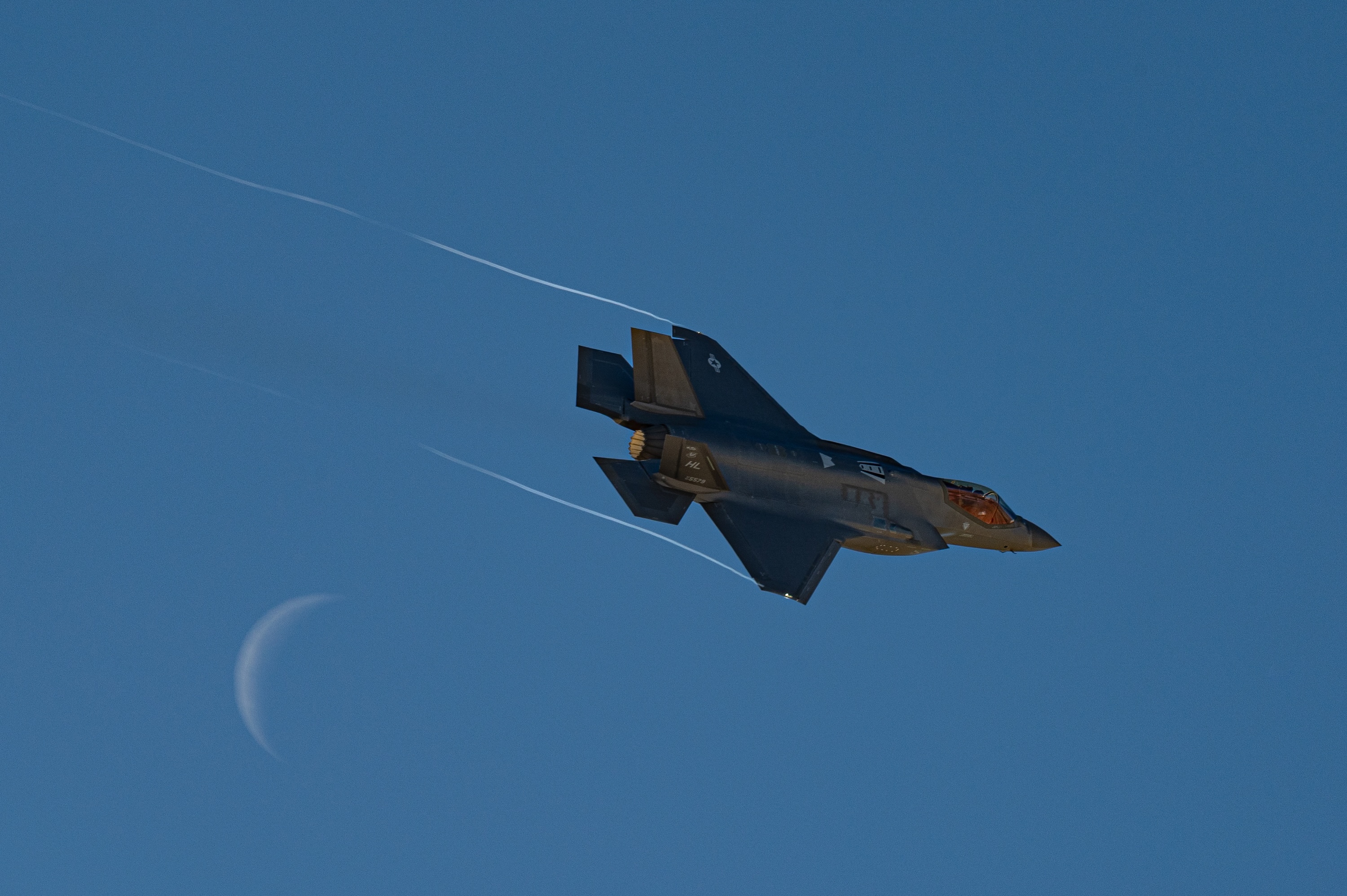
If imitation is the sincerest form of flattery, then China’s embrace of stealth aircraft technology is a compliment to American ingenuity. Both awed by — and apprehensive about — U.S. stealth capabilities, China has invested heavily in developing stealth aircraft, as well as anti-stealth air defenses. But China has learned the wrong lessons from America’s stealth program, according to U.S. Air Force analysis released this month. China is convinced that advanced technology is the foundation of U.S. stealth capabilities.But in reality, the key to American success has been treating stealth as just one component of integrated aerial warfare, the report said.China’s “assessments of U.S. stealth often diverge from technical reality and operational practice,” said Maj. Derek Ecklebe, a U.S. Air Force officer and a fellow at the Air Force’s China Aerospace Studies Institute.The reality is that the U.S. treats stealth “as a multifaceted capability that integrates technology with operational tactics to maintain air superiority,” he said. “Stealth technology, while expensive, complex, and important, is only part of the equation.”China is responding to U.S. stealth warfare with a mixture of fear and confidence. “Chinese views of stealth as an asymmetric yet counterable U.S. advantage have driven a bifurcated strategy: robust investments in layered air defenses and a rapid program to field domestically developed [low observability] aircraft,” Ecklebe said.Ironically, the U.S. military and intelligence agencies are often depicted as being fixated on technology at the expense of strategy and tactics. But in Ecklebe’s view, it is China that is overemphasizing tech. Because Chinese experts believe that technology is at the heart of American stealth warfare, then it follows that the best defense against stealth is also technological. Thus, China has poured resources into developing anti-stealth sensors. Chinese media and military journals suggest that better sensors, such as low-freq