Tax-break trees: how woodland became a store of wealth for the rich
Key takeaways
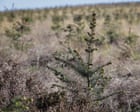
- Stobo Hope in the Scottish Borders has been cleared, ploughed and sown with rows of saplings by a ‘forestry carbon sequestration fund’.
- Todrig, with its heath moorlands and hundreds of species of flora and fauna, represents an investment that could save Britain’s wealthiest families millions of pounds in inheritance tax.
- But first the ground needs to be cleared, and sown with commercial tree saplings – a plan that has been defeated, for now, by the tiny butterfly.
Why this matters: environmental and climate reporting with long-term consequences.
Stobo Hope in the Scottish Borders has been cleared, ploughed and sown with rows of saplings by a ‘forestry carbon sequestration fund’. Photograph: Murdo Mac Leod/The Guardian View image in fullscreen Stobo Hope in the Scottish Borders has been cleared, ploughed and sown with rows of saplings by a ‘forestry carbon sequestration fund’. Photograph: Murdo Mac Leod/The Guardian Tax avoidance Tax-break trees: how woodland became a store of wealth for the rich Attempt to turn a stretch of the English-Scottish border into a commercial forest exposes threat to habitats from wealthy investors
Lauren AlmeidaSun 7 Jun 2026 10.00 BSTLast modified on Sun 7 Jun 2026 10.01 BSTSharePrefer the Guardian on GoogleOn the English-Scottish border a small species of butterfly, the northern brown argus, has fended off one of the biggest investors in the UK.
Todrig, with its heath moorlands and hundreds of species of flora and fauna, represents an investment that could save Britain’s wealthiest families millions of pounds in inheritance tax.