You need to know about the Baruch Plan
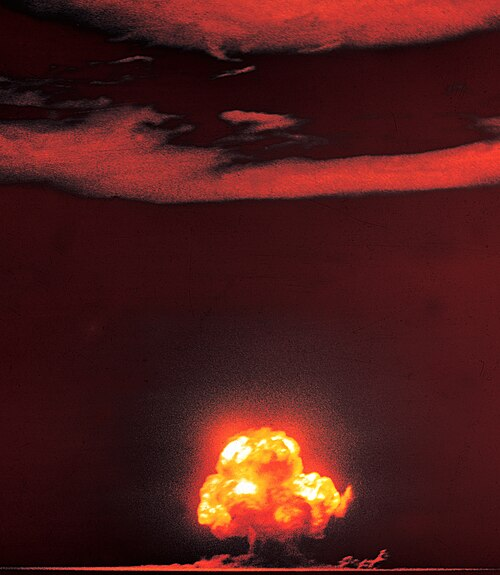
Picture this: the world’s top scientists are all telling the US government that a brand new technology is an existential threat to humanity. The president listens, and even agrees. The American government, currently a few years ahead of its rivals, proposes a plan at the United Nations that would place this technology under international authority and institute strict controls on its further development. But America’s biggest rival, fearful of losing its own chance at acquiring the technology in question, shoots the proposal down in the UN security council.This isn’t a hypothetical about an AI pause. This is the story of the Baruch Plan.Some quick background: The USA created the first atomic bomb via the Manhattan Project during World War Two, culminating in the July 1945 Trinity nuclear test, followed by the atomic bombings of Hiroshima and Nagasaki on August 6th and 9th. Japan surrenders on August 15th, following both the atomic bombings and a declaration of war by the USSR. World War Two is officially over, and the Atomic Age has just begun.When the UN General Assembly first met in January 1946, these three were humanity’s only nuclear explosions. One test, two attacks, all under the authority of the US military. The 51 founding UN member states were tired of war, and ready to cooperate. With their very first resolution on January 24th, they establish the United Nations Atomic Energy Commission, asking for detailed proposals for four goals:(a) for extending between all nations the exchange of basic scientific information for peaceful ends;(b) for control of atomic energy to the extent necessary to ensure its use only for peaceful purposes;(c) for the elimination from national armaments of atomic weapons and of all other major weapons adaptable to mass destruction;(d) for effective safeguards by way of inspection and other means to protect complying States against the hazards of violations and evasions.A few weeks earlier, President Truman had asked for a draft of