AI’s reality check has finally arrived
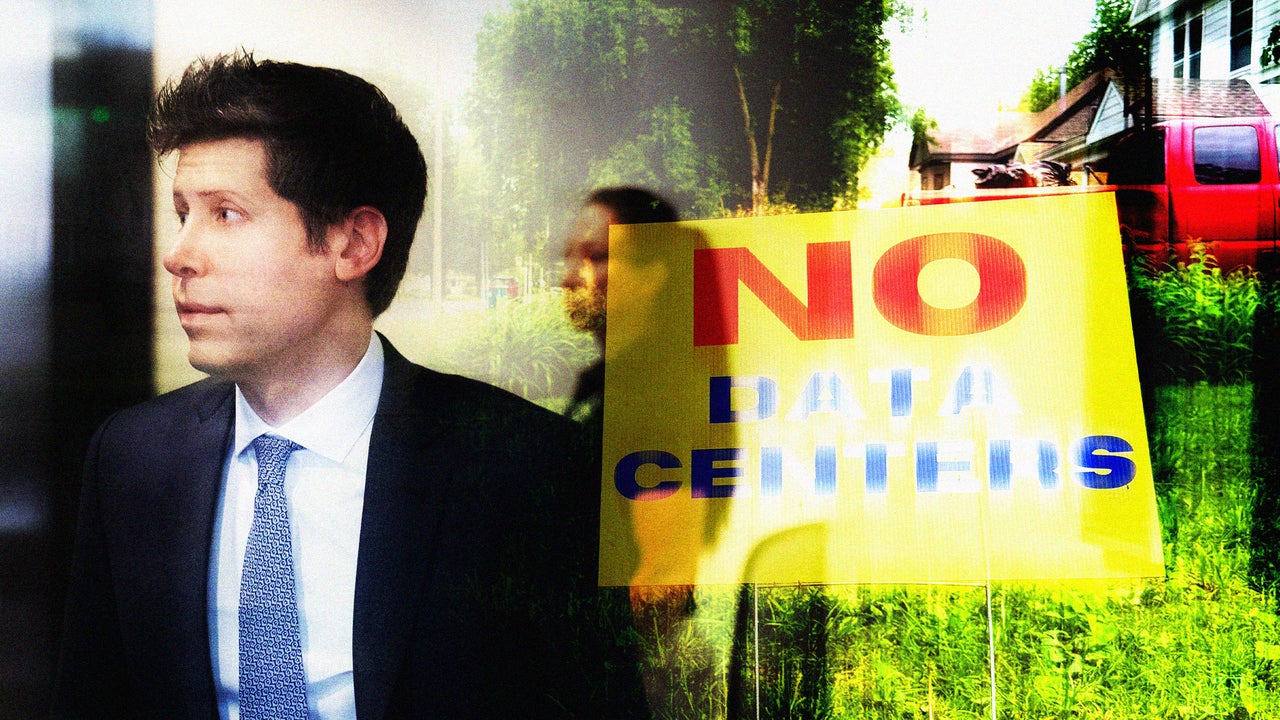
The past few days have been full of bad news for the AI industry. The headlines paint a picture of an industry confronting growing pushback on multiple fronts, from political and regulatory headwinds to disappointing financial returns to poor results from real AI deployments. These are the stories that fed the narrative. The AI industry’s shifting narrative on jobs In a notable shift in tone, Open AI CEO Sam Altman acknowledged that artificial intelligence is unlikely to trigger the “jobs apocalypse” he had previously warned about. Speaking virtually at a Commonwealth Bank event in Sydney, Altman downplayed earlier predictions of widespread job displacement, admitting his early economic intuitions were “pretty wrong” regarding immediate white-collar layoffs. Altman said the hit to entry-level office work has been significantly smaller than he expected. AI company executives have sometimes dramatized the potential negative effects of AI as a way of hyping the power of their models. But now that popular resistance to the technology, born partly of job-loss fears, is threatening the construction of new data centers, AI companies may be trying to tone down the rhetoric. Communities often lure big AI data center projects with tax breaks. Last week, Pennsylvania lawmakers introduced bills that would repeal tax breaks for AI/data centers and give municipalities authority to impose an 18-month moratorium on projects. The fact that Republicans are sponsoring data center moratoriums in a state that’s aggressively courting AI infrastructure is notable. It’s another sign of shifting public opinion on AI. A mid-May Gallup poll found that more than two-thirds of adults oppose the construction of AI data centers, with a majority saying they’d prefer to have a nuclear power plant in their backyard instead. Illinois passes its AI law Adding to the industry’s regulatory headaches, Illinois passed a major new AI accountability bill, SB315. The law is the first in the countr