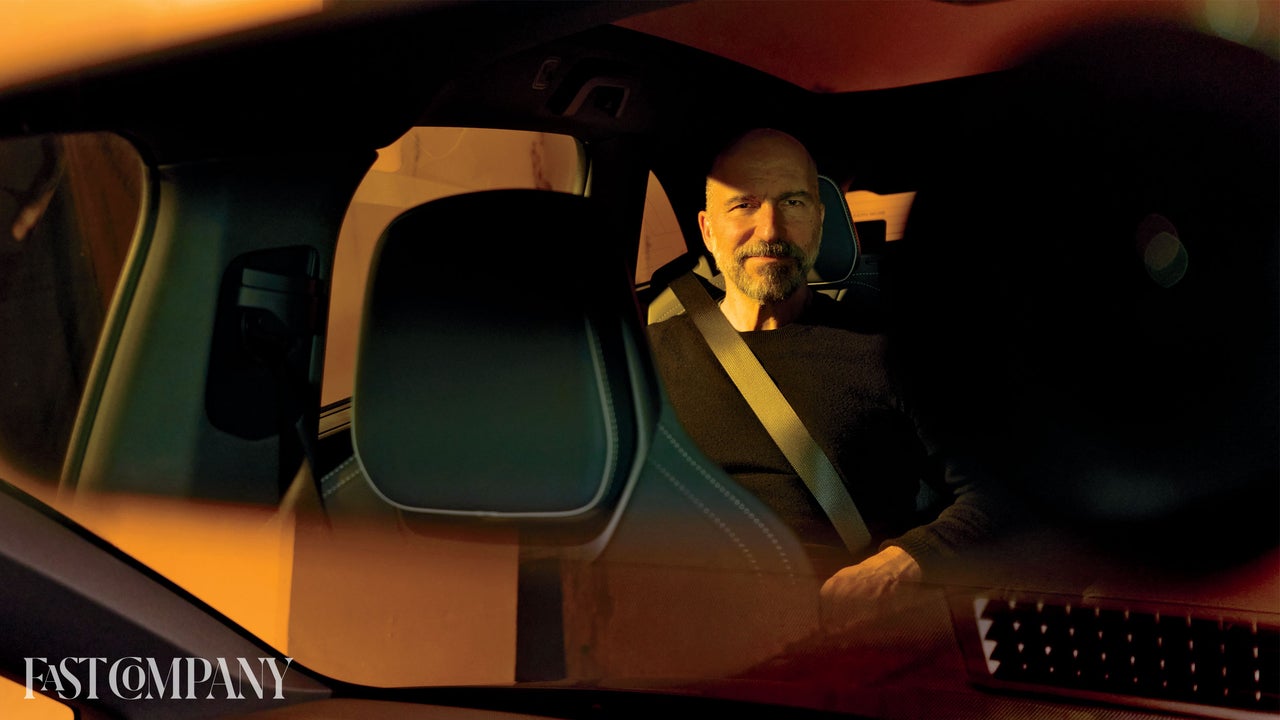
Inside Uber’s strategy to avoid a head-on collision with autonomous cars
Pale springtime sun skims across lower Manhattan’s streets and sidewalks as buses groan, jackhammers echo, and commuters hustle. It’s a fitting backdrop for Uber’s annual product showcase, Go-Get, held on this April morning inside the creamy marble confines of the Perelman Performing Arts Center. Uber’s CEO, Dara Khosrowshahi, was hired nine years ago to impose order on the chaos of the company’s wildly aggressive corporate culture. With that work complete, he’s been focused more recently on taming the chaos of consumers’ daily lives, adding everything from teen accounts to Costco delivery to the once-straightforward hailing app. The headline for this year’s Go-Get is a new hotel-booking feature, powered by Expedia. It brings 700,000 hotels to the Uber app. Vrbo listings will follow later this year, and Uber is layering in sightseeing destinations and other travel features, too. “We’re no longer just an app for rides,” Khosrowshahi tells the audience of journalists, influencers, and employees inside the arts center’s darkened auditorium. “Uber is now an app for everything.” Khosrowshahi, who previously spent a dozen years at the helm of Expedia, has long seen an opportunity to turn travel into the app’s next big offering, akin to its food-ordering and delivery platform, Uber Eats. Trips to and from an airport, after all, comprise roughly 15% of rides and have ripple effects. They can be the reason that people download Uber for the first time, and why they default to the app closer to home, too. “We have to make what may be very difficult, complex orchestrations on the back end ridiculously easy and simple for the user,” Khosrowshahi tells me as we sit in the burgundy velvet seats of the Perelman theater after the Go-Get crowds have cleared. “That’s when the magic happens.” Uber runs arguably the most sophisticated real-time consumer marketplace in the world. The company deftly balances the supply and demand for i