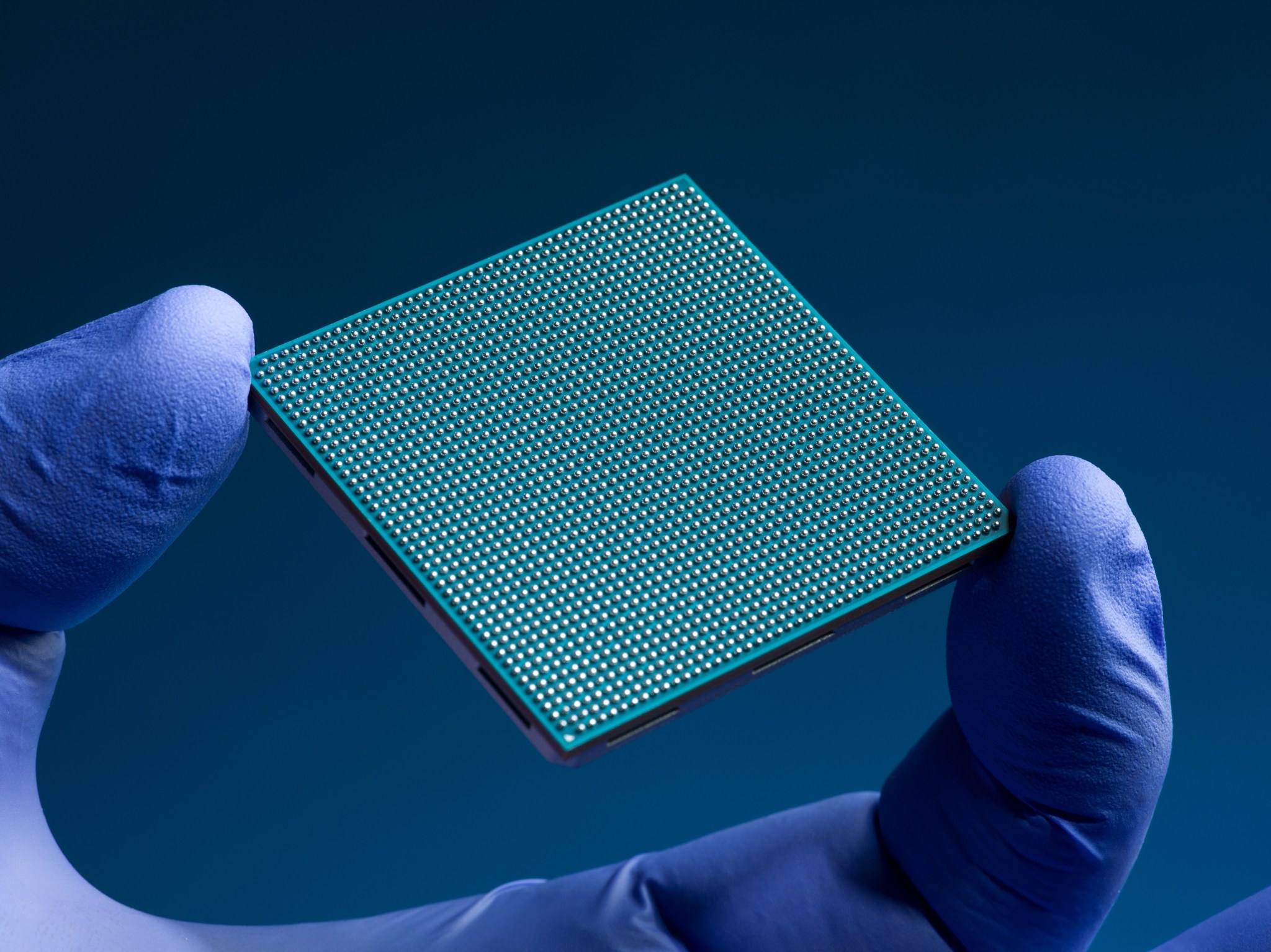
Hello Universe: NASA’s Next-Gen Space Processor Undergoes Testing
Why this matters: new research or scientific developments with potential real-world impact.
This next-generation processor is made to survive deep space while delivering a massive leap in computational speed compared to current spacecraft technology.NASA/JPL-Caltech NASA’s High Performance Spaceflight Computing project aims to dramatically improve the computing power of spacecraft. Missions need processors that can withstand the harsh space environment, so they use chips developed years ago that are hardy and reliable. But upgraded chips are needed to enable the development of autonomous spacecraft, accelerate the rate of scientific discovery through faster data analysis, and support astronauts on missions to the Moon and Mars. “Building on the legacy of previous space processors, this new multicore system is fault-tolerant, flexible, and extremely high-performing,” said Eugene Schwanbeck, program element manager in NASA’s Game Changing Development program at the agency’s Langley Research Center, in Hampton, Virginia. “NASA’s commitment to advancing spaceflight computing is a triumph of technical achievement and collaboration.” The centerpiece of the High Performance Spaceflight Computing project is a new radiation-hardened, high-performance processor, designed to provide up to 100 times the computational capacity of current spaceflight computers while enduring a barrage of challenges in space. NASA’s Jet Propulsion Laboratory in Southern California has been conducting various tests that replicate those challenges. “We are putting these new chips through the wringer by carrying out radiation, thermal, and shock tests while also evaluating their performance through a rigorous functional test campaign,” said Jim Butler, High Performance Space Computing project manager at JPL. The processor must endure myriad tests to prove it can survive th