AI arms race or not, the U.S. and China need to talk about the tech
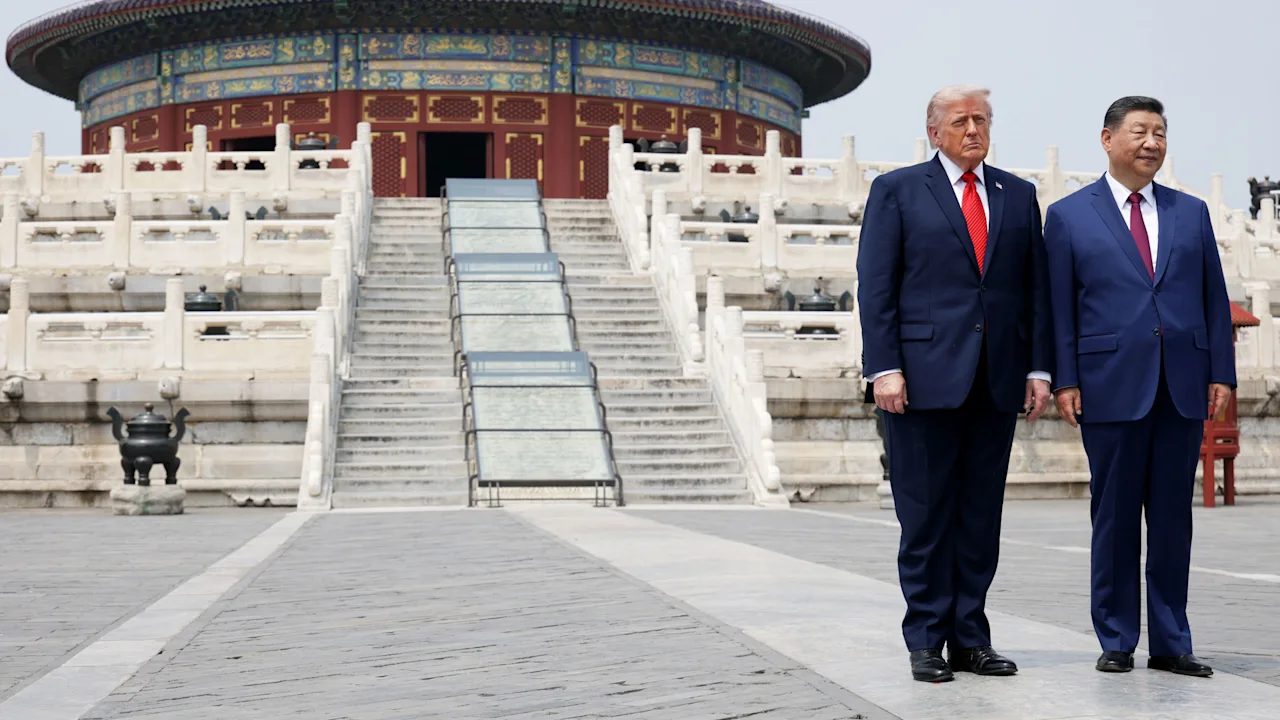
Two world powers are in an arms race to develop the most advanced AI systems, and neither of them trusts each other—but each relies on the other’s compliance to proceed. This contradiction lies at the core of a dangerous standoff for our time. President Trump’s meetings with President Xi Jinping in Beijing this week are a crucial moment for the U.S.-China relationship. U.S. officials made clear their intentions to initiate the discussion of setting up a dedicated communication channel regarding AI matters This means they’re worried that the technology could become a source of conflict between the two nations. I’ve been working in the tech world for decades, and I’m confident that this situation is unprecedented. Washington and Beijing both see the importance of advanced AI technology for purposes of intelligence and as a potential means of cyber warfare. It has thus become extremely important to coordinate and cooperate, even while remaining rivals. The U.S. has relied significantly on export control of technologies and equipment to impede AI development in China. At the same time, it has become increasingly obvious that blocking China from importing chips alone does not solve the problem. Even if you slow your rivals’ AI development, there will remain a scenario where both sides employ it in the context of offense without any set regulations. Chinese AI models such as DeepSeek compete on the global market as worthy contenders to American products. Additionally, according to recent accusations by the White House, Beijing launched industrial-scale operations aimed at extracting and copying American AI models. The irony is that both nations have experimented with using AI as an instrument of offensive cyber attacks. It’s become evident that the U.S. and China are simultaneously developing offensive tactics based on AI models, which makes any call for restraint in such matters hypocritical. Yet that is quite logical under curre