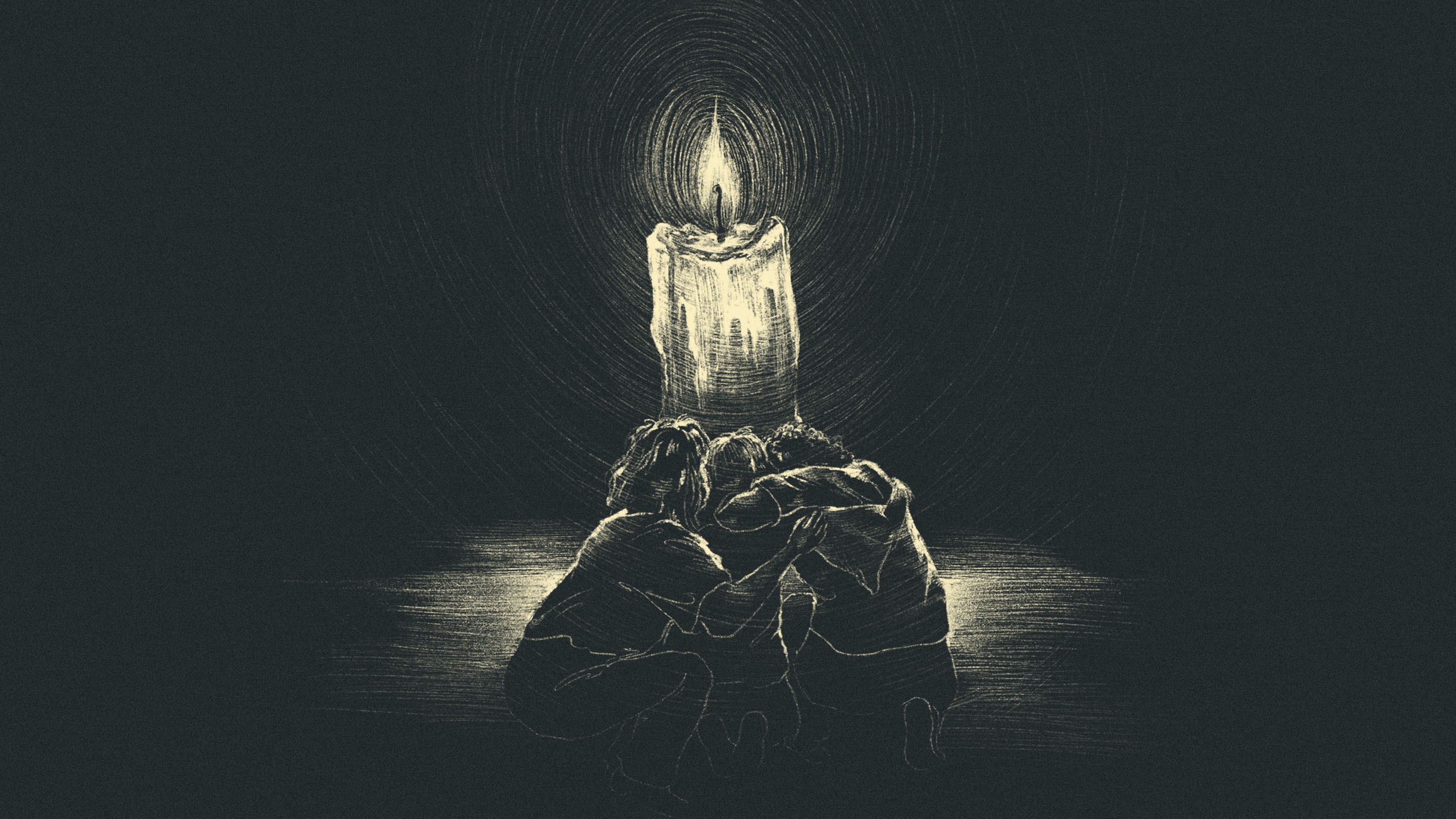
The Advice I Hope You’ll Never Need
If you’re reading this, there’s a chance that you have survived, witnessed, or somehow experienced a school shooting, which is a common enough occurrence in the United States that I felt compelled to write this essay. I myself have been through two school shootings: first in Parkland, Florida, when I was 12, and then at Brown University at the age of 20. As my university came together to cope with the tragedy we experienced on December 13, 2025, I noticed that sharing my prior experiences helped my peers feel understood and also made me feel better in the process.Since I was 13 years old, I’ve dedicated myself to fighting for the prevention of gun violence. Now I hope that by sharing what I have learned over the past eight years and two school shootings, perhaps even one person will feel less alone. If you are in the unfortunate position of being able to relate to what I went through, I hope these five pieces of advice bring you comfort.1. Surviving Looks Different for EveryoneWhen I speak publicly about my experiences, people tend to ask whether I really “qualify” as a survivor. This is a telling question. When I was 12, I was sitting outside at the middle school next to Marjory Stoneman Douglas High School—a few hundred feet away from where a former student took the lives of 17 people. While outside, I heard gunshots coming from the building and saw first responders rushing to the scene. Almost immediately—while we were still at school under lockdown—I began to see graphic videos of the shooting shared on social media. I subsequently developed post-traumatic stress disorder, which I still suffer from to this day. Some people use the word survivor to describe people who were physically injured or in the same room as a shooter, but everyone—including survivors themselves—has wildly different understandings of what it means to “survive” a traumatic event. The reality is that gun violence, especially school shootings, have a ripple effect that can extend to entire com