Gulf economies face long-term hit from Iran conflict
Key takeaways
- To try to transform its fortunes the small Gulf state made a decisive bet on natural gas.
- It would develop its vast offshore gas reserves, and – crucially – super chill the gas into LNG (liquified natural gas) for transportation by ship to countries around the world.
- That decision led to the creation of Ras Laffan - an industrial city on the coast, about an hour's drive from the capital, Doha.
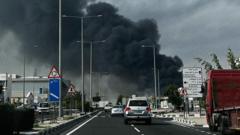
Sameer Hashmi Business reporter, Dubai AFP via Getty Images Iran has attacked Gulf states in retaliation for Israeli and US bombing on its country In the early 1990s, Qatar was grappling with a period of economic strain - high debt levels and weak state revenues were weighing heavily on its finances. To try to transform its fortunes the small Gulf state made a decisive bet on natural gas.
It would develop its vast offshore gas reserves, and – crucially – super chill the gas into LNG (liquified natural gas) for transportation by ship to countries around the world.
That decision led to the creation of Ras Laffan - an industrial city on the coast, about an hour's drive from the capital, Doha. Over the next three decades, it would become the world's largest LNG export centre, transforming Qatar into one of the richest countries globally.