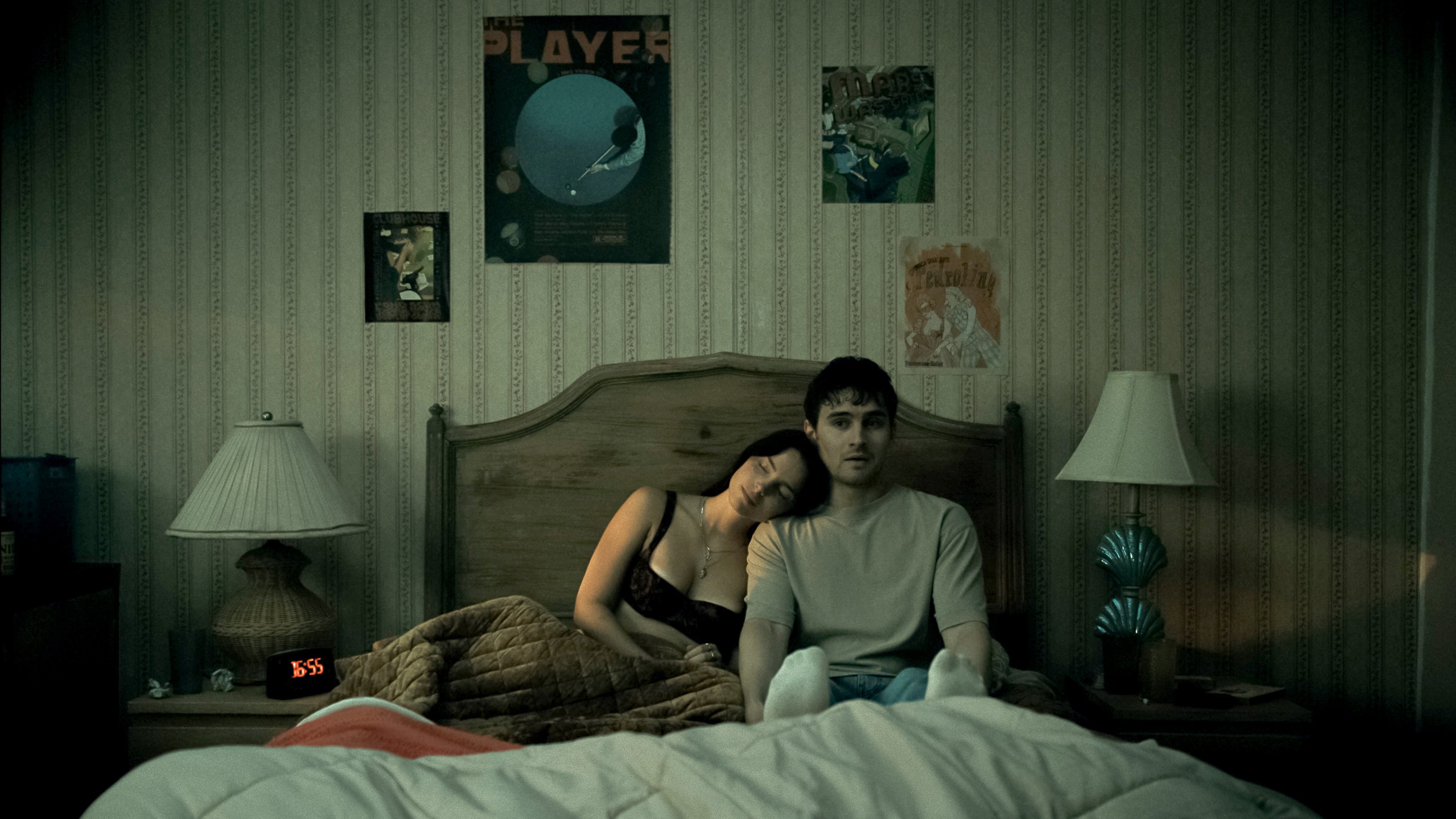
‘Obsession’ Takes Gen Z’s Social Anxiety to the Extreme
The following contains spoilers for the film Obsession.The premise of the hit horror movie Obsession may sound relatable: What if you had a totally debilitating crush on someone but were too afraid to confess your feelings to them? In the early scenes of the director Curry Barker’s feature debut, a 20-something record-store employee named Bear (played by Michael Johnston) can’t work up the nerve to ask out his co-worker Nikki (Inde Navarrette)—even when she demands to know, point-blank, whether he likes her. Instead of confirming that he does and dealing with the consequences, he opts for a different way into her heart. He snaps a magical tchotchke (called a “One Wish Willow”) in half with the hope that Nikki will love him more than anything in the world.That desire becomes more than Bear ever bargained for. Nikki transforms from a free-spirited girl next-door into a woman possessed by jealousy who duct-tapes Bear’s front door shut, puts flesh from his dead cat into his sandwiches, and lurks in dark corners watching him sleep. She loves Bear above all else, sure, but that “love” comes at the cost of her selfhood. From there, the “Be careful what you wish for” trope is taken to an extreme, dramatizing a particular kind of Gen Z anxiety spiral: the feeling of being trapped by their own social fears.At 26 years old, Barker is speaking directly to his own generation—the moviegoing Zoomers—by making a meal out of their most pressing interpersonal crises. Obsession doesn’t seem so interested in concerns such as intimate-partner abuse, although it could easily be interpreted as an allegory for it. Instead, Barker uses the story of a boy magically convincing a girl that she’s in love with him as a way to explore social angst. Researchers have scrutinized young people’s supposed aversion to dating, sex, and human connection in general; the idea tends to be that these feelings are exacerbated by the surveillance-state-like world of social media and the instant-gratification c