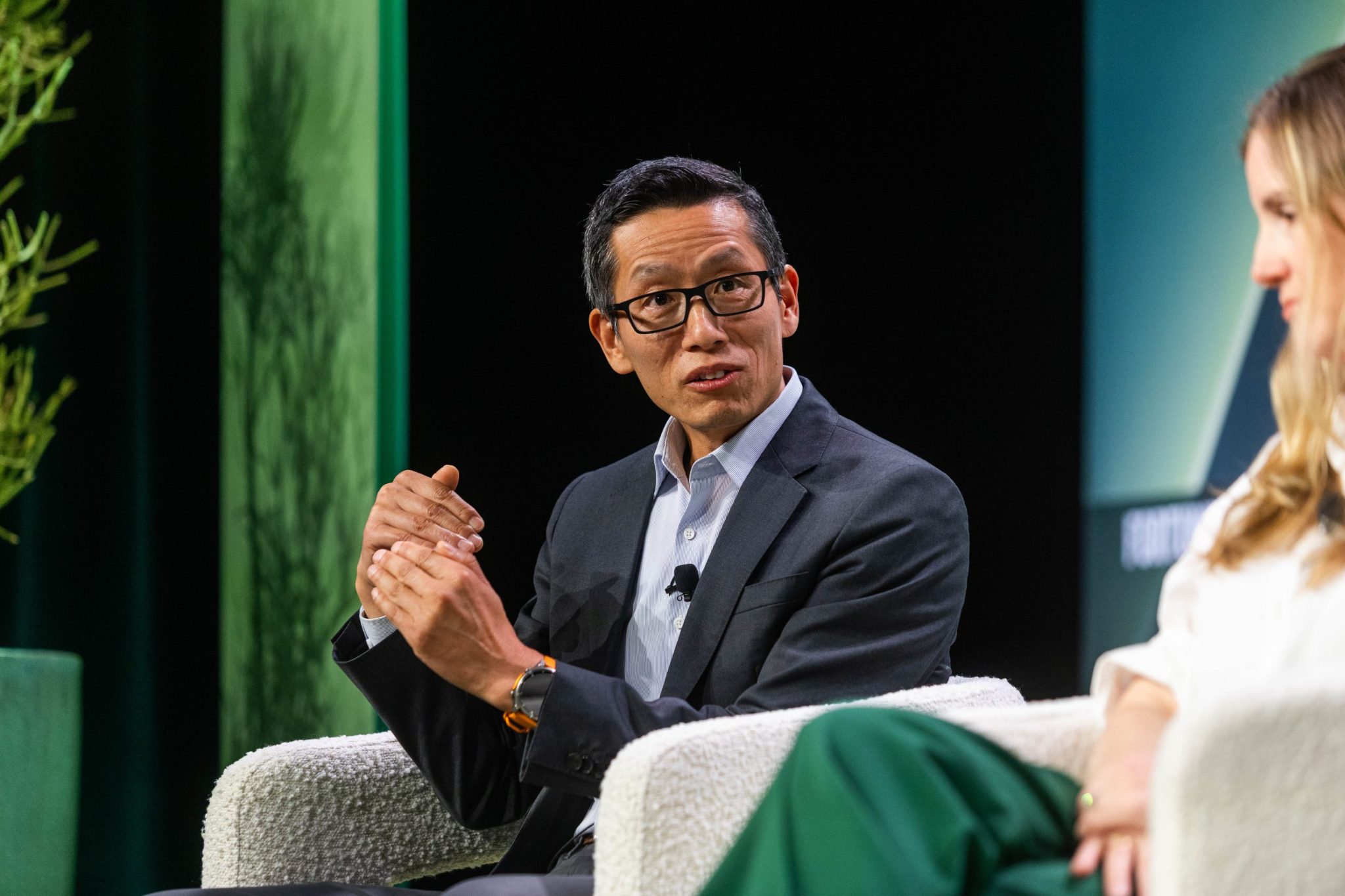
‘One thing after the next’: Axon and Schneider Electric supply chain chiefs talk life in permanent disruption
There’s a telling moment in how today’s top supply chain operators talk about their jobs. They don’t describe a string of emergencies. They describe a permanent state of emergency, and the subtle exhaustion of having normalized it. “Tariffs change every 10 minutes, component costs, memory costs,” said Brittany Bagley, the executive who serves as both COO and CFO at Axon, the body camera and public safety technology company whose hardware ships to law enforcement agencies across the country. “There’s just sort of one thing after the next, and then your business doesn’t slow down, either.” That sentiment, voiced at the Fortune COO Summit, was echoed by Jackie Zhu, Senior Vice President and North America Supply Chain Officer at Schneider Electric, the French energy management and industrial automation giant with a sprawling North American manufacturing and logistics footprint. Together, the two executives offered a rare, candid look at what it actually feels like to run global supply chains in an era of compounding disruption, from tariff whiplash and memory chip shortages to geopolitical conflict and demand shocks that arrive without warning. The hidden labor of ‘looking easy’ What’s easy to miss from the outside is how much invisible work goes into maintaining the appearance of normalcy. Companies that have successfully weathered the chaos often look, to customers, to shareholders, and all like nothing happened. But for Bagley, that’s often by design. “A lot of times the supply chain team makes it look easy,” Bagley said. “But there’s just so much more work and effort going in behind the scenes. There’s a real load in the organization to make it look as smooth as it looks.” Zhu, who oversees supply chain operations for Schneider’s North American business—which has seen explosive, sometimes unpredictable growth driven by demand for AI infrastructure