Accessibility is more than a design problem
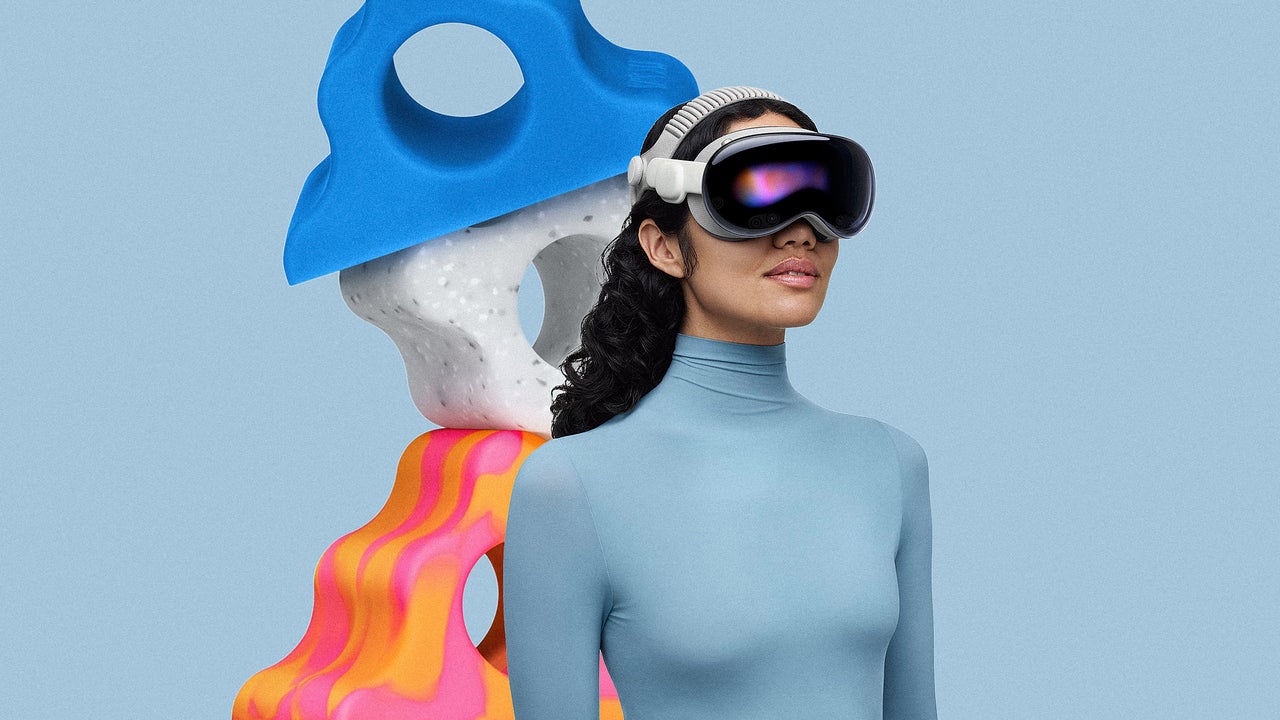
Last month, Apple marked Global Accessibility Awareness Day with a sweeping round of accessibility updates and announcements, including a new eye-controlled wheelchair interface for Vision Pro and the global launch of Los Angeles-based designer Bailey Hikawa’s adaptive Mag Safe Grip & Stand for i Phone. Together, the announcements span nearly the entire spectrum of assistive technology, from a $3,500 spatial computing headset to a silicone phone grip. Both raise the same underlying question: What does it actually take for consumer tech to get accessibility right? The adaptive grip marks Hikawa’s first intentional venture into inclusive design, though in some ways it’s a natural extension of the maximalist iPhone cases she’s already known for online: bold colorways, sculptural ergonomics, the kind of design object that’s less a utilitarian accessory and more a playful statement piece that every cool girl on Instagram is holding in her mirror selfie. [Photo: Apple] Designed in close collaboration with people whose disabilities affect muscle strength, dexterity, and hand control, the Grip & Stand is a soft, triangular silicone form that snaps magnetically onto any MagSafe-compatible iPhone. It doubles as a phone stand and comes in three Apple-exclusive colors: orange swirl, speckled stone, and glow-in-the-dark blue. Launching the grip globally required a manufacturing partner. Hikawa initially released the Grip & Stand as a limited edition through Apple in November, where it sold out within days. PopSockets then partnered to scale production for a wider May release through Apple’s retail channels, a trajectory that reflects broader demand in the market. A recent Harris Poll survey found that 76% of respondents felt accessible technology products are typically designed for function over style. The Grip & Stand was built to close that gap. Community-led design Apple’s accessibility work dates back to the 1980s, when it established its disabili