The Betrayal of Black Patriots
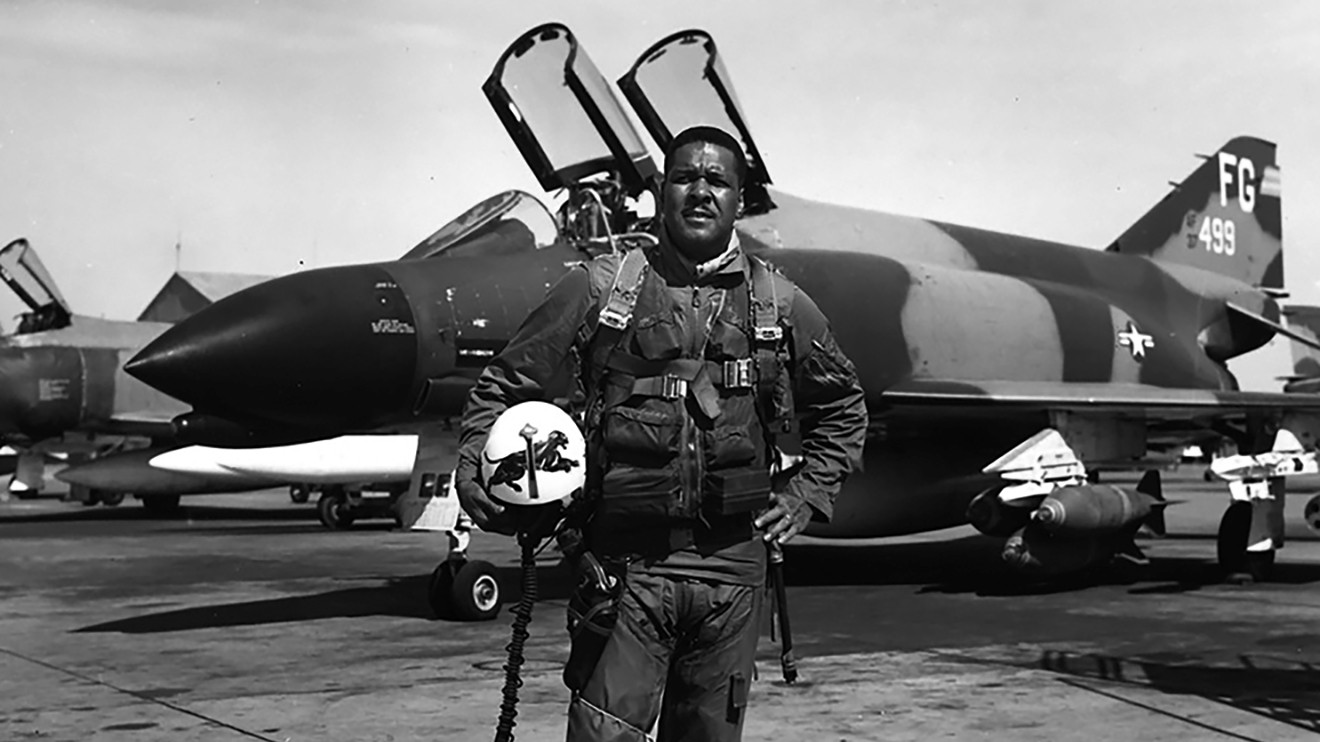
Photographs by Nate Langston Palmer Daniel “Chappie” James Jr. became commander of the Wheelus Air Base, near Tripoli, just after rebels under Muammar Qaddafi took control of Libya in a coup in 1969. In the midst of the insurgency, Qaddafi led an effort to break into the U.S. air base, but James managed to close the gate in time to prevent the young rebel from entering. The incident, which James recounted in a 1978 interview, would come to be the stuff of Air Force lore. As the two men confronted each other, the story goes, Qaddafi got out of his vehicle and reached for his gun. James had a .45 in his belt. He told Qaddafi that he’d better not pull the gun, or he’d regret it. They stared at each other for a moment as the future dictator considered James. Then Qaddafi pulled his hand away, got back in his vehicle, and drove off. The rebels never attempted a similar stunt again. One reporter later referred to James as a “black John Wayne.”By the time he was facing off with Qaddafi in Libya, James had already served in the military for 26 years. During World War II, he’d trained at the Tuskegee Institute, before joining the 477th Bombardment Group—the first unit of Black bombers in U.S. military history. He then flew 101 combat missions in the Korean War, and 78 more in the Vietnam War.James was eventually promoted to four-star general, becoming the first Black American in the history of the U.S. military to reach that rank. “If my making an advancement can serve as some kind of spark to some young Black or other minority, it will be worth all the years, all the blood and sweat it took in getting here,” he said at the time. The general became a hero to Black Democrats and white Republicans alike. At a 1987 ceremony dedicating an aerospace-science and health-education center at Tuskegee University to James, Ronald Reagan called him a “darned good pilot and a revered military officer and a truly great American.” In 2020, the state of Florida named a bridge after James; th