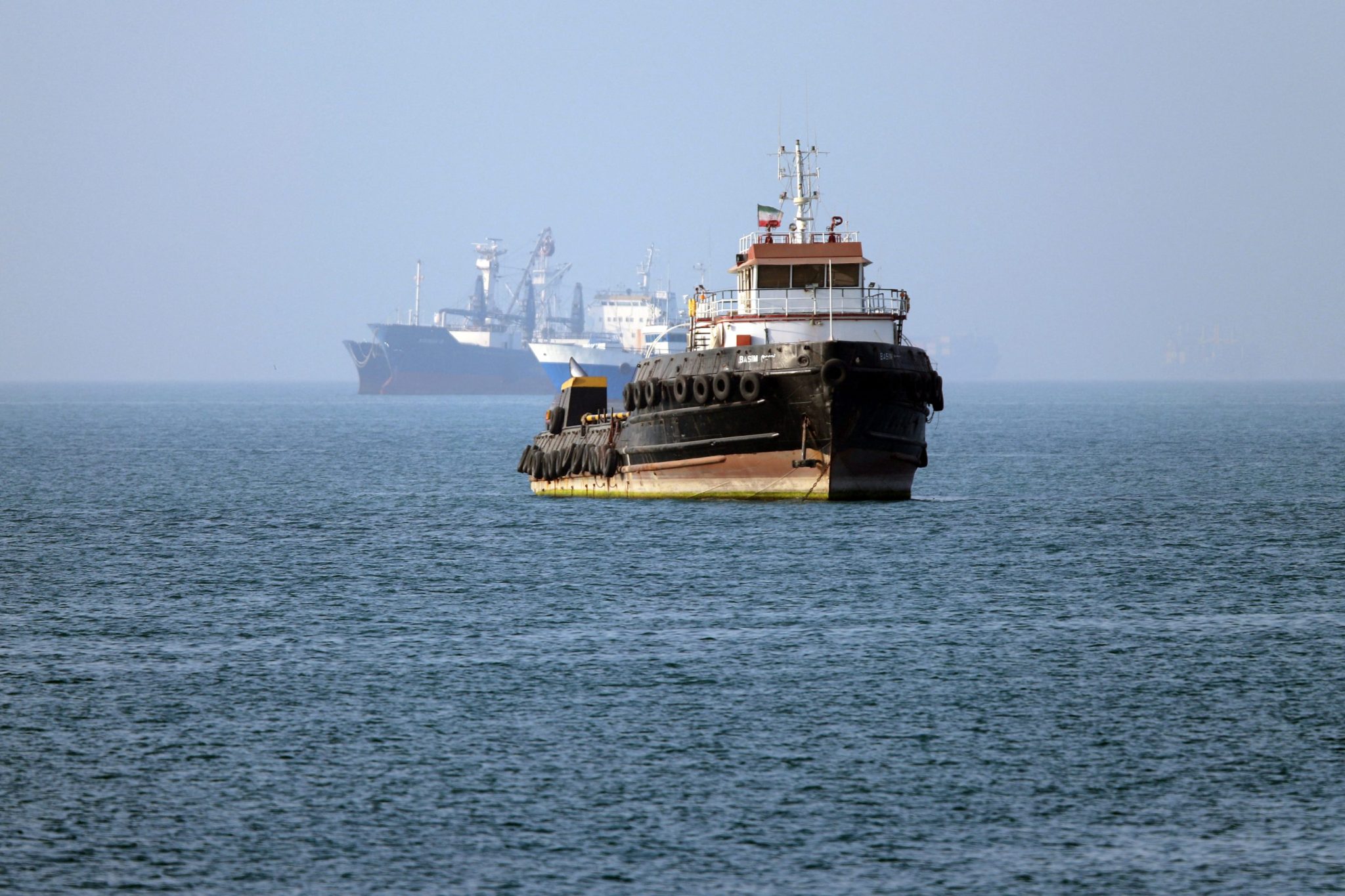
Cargo ship crews face attacks waiting the Gulf as Trump pauses two-day-old project to ‘guide’ ships
With hundreds of vessels still stuck in the Persian Gulf and costs piling up, shipping companies are being whipsawed by uncertainty over how and when the Strait of Hormuz might reopen more than two months into the Iran war. On Sunday, President Donald Trump announced “Project Freedom,” a way for the U.S. to “guide” ships to exit the strait. Two ships made the transit, but by Tuesday Trump abruptly paused the effort to allow time for a deal to end the war. Meanwhile, the risks for ships and crew haven’t faded. A cargo container ship operated by the CMA CGM Group was damaged when it came under attack while attempting to transit the strait, the French shipping company said Wednesday, and concerns about Iranian speedboats and drones are leading major ship owners and operators to say the strait remains too dangerous. “Ultimately, it’s still going to come back to the primary issues of risk and safety,” that shippers have to evaluate, said Sean Pribyl, a maritime attorney at Holland & Knight in Washington, D.C. ”It seems as though we’re not anywhere near to returning to a free flow of traffic and navigation through the strait,” he added. Costs pile up as goods, oil and ship workers remain stranded Before the Iran war, 100 to 135 vessels passed through the Strait of Hormuz daily, according to research firm Lloyd’s List Intelligence, but that has slowed to a trickle as Iran has demanded that vessels go through a vetting process run by the Islamic Revolutionary Guard Corps to receive safe passage. The process requires ships to follow a route near Iran’s coast, submit information on crew and cargo, and in at least some cases, pay a fee. Meanwhile, paying the IRGC risks running afoul of sanctions from the U.S. and the EU, which have designated it a terrorist organization. Goods stranded in the strait include oil and oil products such as fertilizer, not to mention thousands of ship workers. Air Force Gen. Dan Caine, chairman of the Joint Chiefs of Staff, said T