A Perfect Show That Doesn’t Make Sense
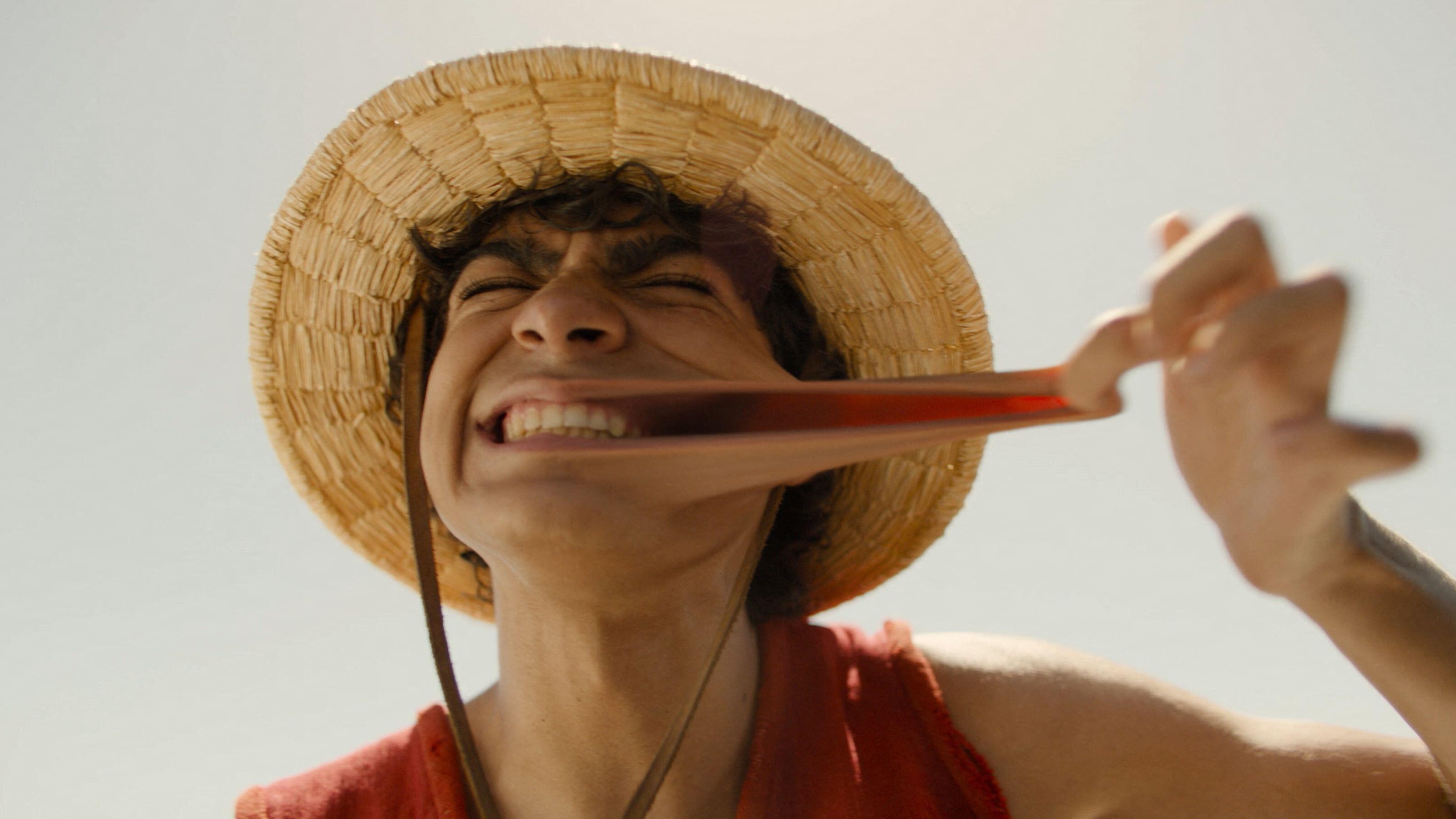
This is an edition of The Atlantic Daily, a newsletter that guides you through the biggest stories of the day, helps you discover new ideas, and recommends the best in culture. Sign up for it here.Welcome back to The Daily’s Sunday culture edition, in which one Atlantic writer or editor reveals what’s keeping them entertained. Today’s special guest is Michael Scherer, a staff writer who has covered how Robert F. Kennedy Jr. became the most powerful man in science and the challenge that rising political violence poses to journalists; he has also done a sit-down interview with Donald Trump about his political comeback.Michael’s recommendations include reading any piece of writing from George Will, whom he considers to be the preeminent political columnist; listening to electronic-music sets on SoundCloud; and watching the late climber Dean Potter’s miraculous ascents in The Dark Wizard.— Stephanie Bai, senior associate editorSomething delightful introduced to me by a kid in my life: I thought my generation had played out the self-referential wink-wink with shows such as Scrubs and Arrested Development. Then a representative of Gen Z showed me the Netflix live-action show One Piece, a rollicking pirate tale that is pulled from manga, and that is also a ’90s teen sitcom, a high-school theater production, and a fantasy-canon blender. The sets make Disneyland look real, and the acting is the opposite of method. The kids fire muskets and swing katanas in printed T-shirts and plastic jewelry. None of it made sense, until I realized that playing with the expectations of genre remains a great way to celebrate the timelessness of youth. (For a counterpoint, the self-appointed theologian Peter Thiel has other thoughts on One Piece’s insights on the Antichrist.)A musical artist who means a lot to me: I’ve lately fallen down the rabbit hole of electronic music—the kind that plays in clubs while I’m sleeping, for people on drugs I don’t take. Most interesting DJs post uninterrupte