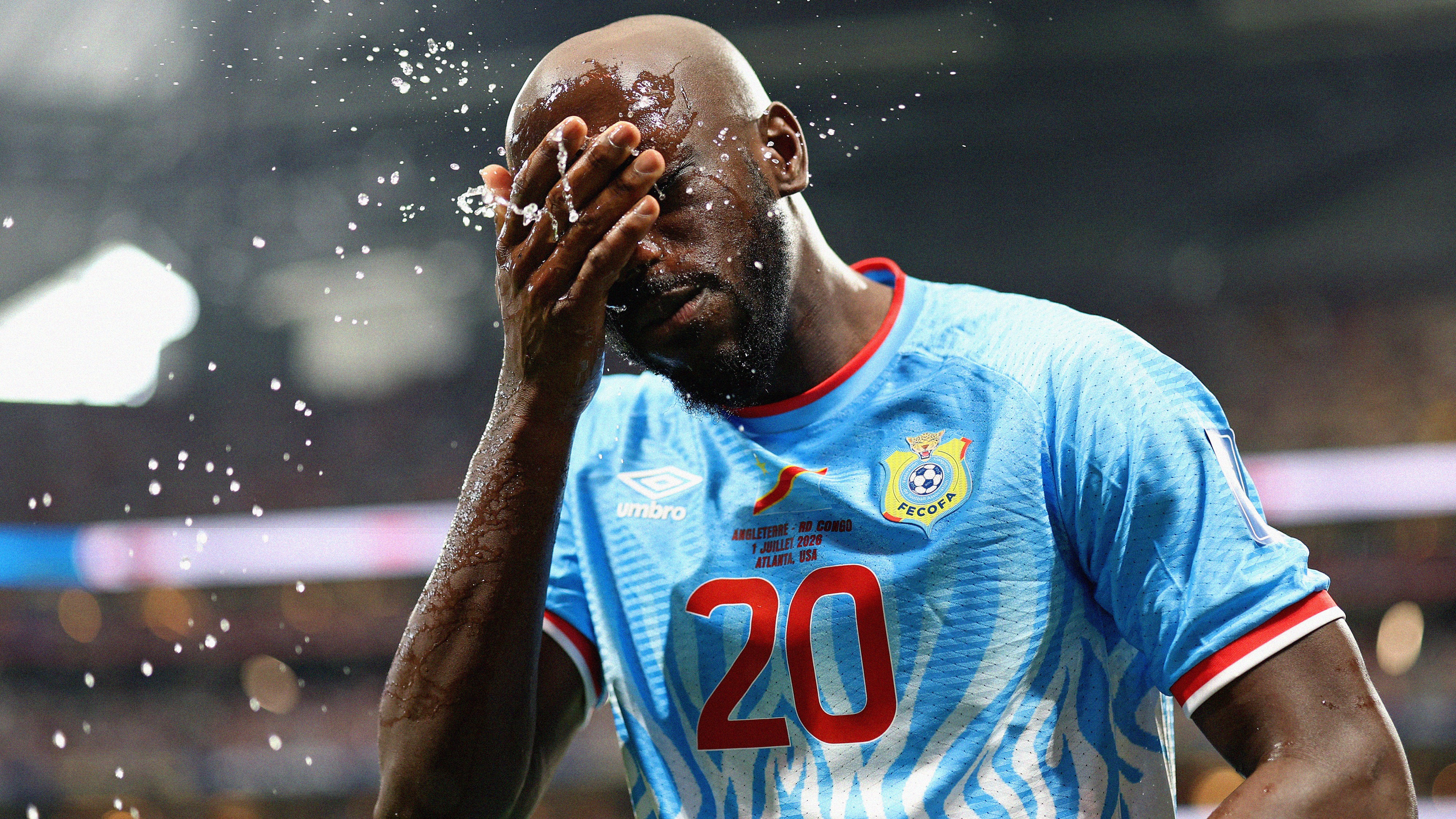
How to Survive This Heat
Last June, England’s men’s national soccer team went to Spain for a training camp. Next to the pitch were tents artificially heated to a minimum of 95 degrees Fahrenheit, where players completed fitness tests on exercise bikes while staff measured their performance. Each player swallowed a biometric tablet, about the size of a large vitamin, so that scientists could see how well his body cooled itself. At the time, England’s head coach, Thomas Tuchel, told reporters, “I will be very surprised if we do not suffer” at the 2026 World Cup in North America, where his athletes would be tested not just against other teams but against the hot and humid summer.The weather in the United States in the coming days will provide such a test—for World Cup athletes and for millions of Americans alike. The heat wave sweeping across the country will hit several World Cup locations, including New Jersey, Kansas City, and Philadelphia, where stadiums lack roofs and air-conditioning. The last time North America hosted the World Cup, in 1994, games were infamously hot, and this tournament could give it a run for its money. Tomorrow, temperatures in Kansas City, Missouri, are expected to reach into the 90s, and they’ll get close to 100 in Philadelphia when the city hosts a game on Saturday. Both cities have been placed under extreme-heat warnings by the National Weather Service. If we mere mortals are made miserable by the heat, these footballers will be miserable and vigorously exercising—they usually run about seven miles during a game, Orlando Laitano, a professor of applied physiology and kinesiology at the University of Florida who works with Brazil’s national team, told me.For months, teams have strategized about how best to prepare their athletes for this kind of heat and humidity—with post-training saunas, hot-water immersion, sweaty outdoor workouts, and heat-training camps. In an ideal world, athletes would spend about 15 days working out in the heat to get used to a region’s cl