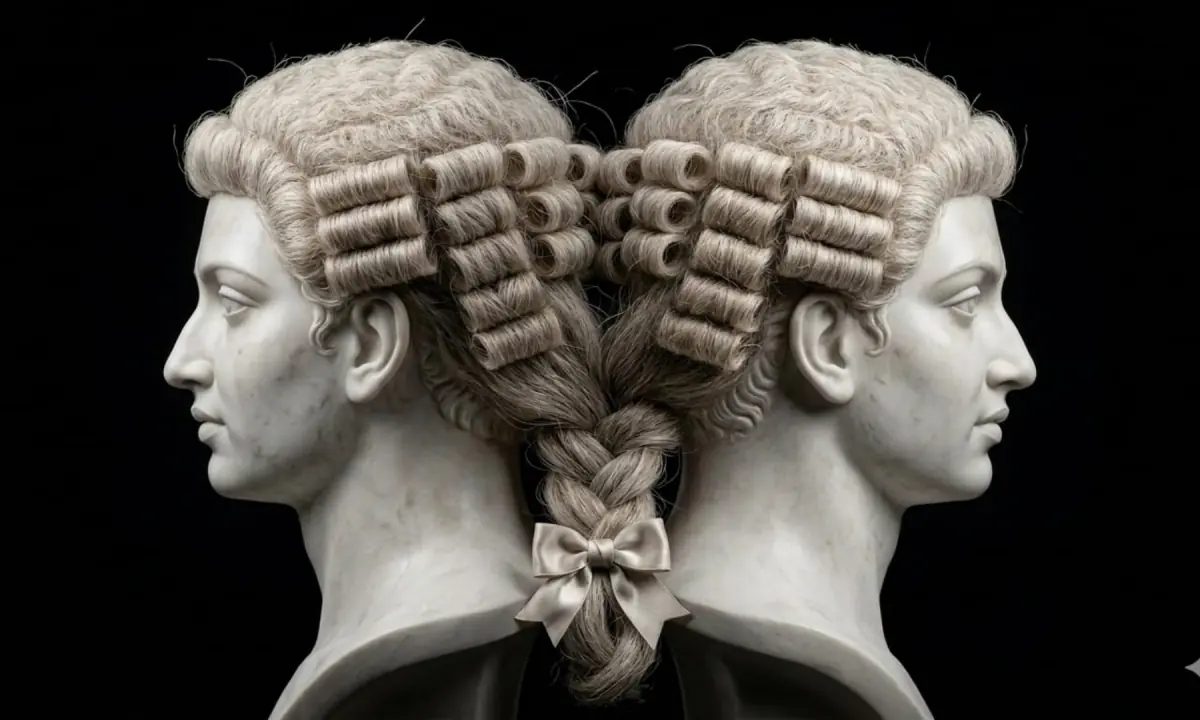
Pakistan has a supreme court. Then it built a supremacist one.
Why this matters: local context for readers following news across Pakistan and the region.
Earlier this month, Justice Yahya Afridi, the last person who will hold the title of Chief Justice of Pakistan, handed down a judgment declaring that the Supreme Court and the Federal Constitutional Court (FCC) are coordinate apex courts, neither subordinate to the other. The judgment did not arrive in a vacuum. It answers a sequence of recent rulings from the new Federal Constitutional Court asserting, with mounting confidence, that it now sits at the top of the judicial pyramid. To follow the dispute, one must begin with what the 27th Constitutional Amendment changed late last year. Until then, Pakistan had one apex court. Whether the case concerned a presidential reference or a dispute over water among the provinces and the Federation, a missing person or a tenant who would not vacate, the final adjudicating authority before God was the Supreme Court. The Constitution and the structure of the judiciary together pointed every road upward to one place. The 27th Amendment created a brand-new court, the Federal Constitutional Court, which we will call the FCC. It split the apex in two and left an unresolved question between them. The official rationale offered for this reorganisation was that the Supreme Court had grown too consumed by political and constitutional matters, neglecting its ordinary work. A specialised constitutional court would absorb the political and constitutional cases. The Supreme Court, freed of that burden, would return to civil and criminal appeals and clear its backlog. The rationale, however, and the design diverge. The one who holds the final word Two terms help here. A court has original jurisdiction when the case begins there: a writ petition filed in a high court, a dispute between governments heard directly by the FCC. It has appellate jurisdiction when it hears appeals against decisions of courts below. The Supreme Court’s appellate work was of two distinct kinds. The first was ordinary appeals worked up from the trial courts through th