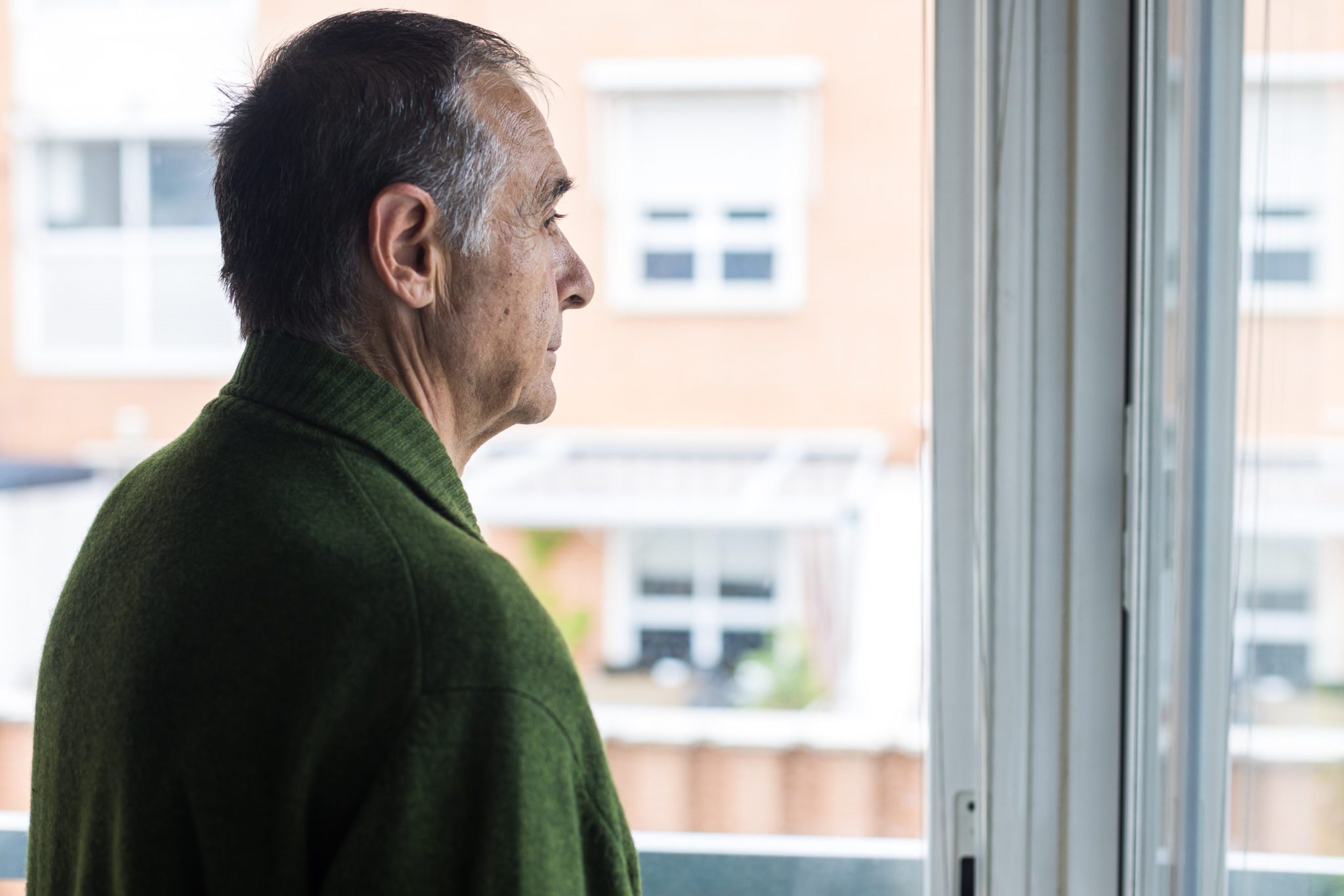
Half of older Americans are unfulfilled. Their doctors can’t see it
A landmark study of more than 6,600 adults ages 62 and older found nearly half (46%) reported lacking a fundamental sense of purpose, wholeness, and connection—what researchers call “fulfillment”—despite living in an era of longer life expectancy and medical advancement. The research, published by Center Well, the health care services arm of Humana, tracked participants between 2023 and 2025, making it one of the largest longitudinal studies of emotional well-being in older adults to date. The findings land at a fraught moment for American happiness. Retired University of Chicago economist Sam Peltzman recently documented what he calls a “happiness crash unlike anything in history”—analyzing General Social Survey data, he found a 22.2 percentage point drop in self-reported happiness centered on 2020, the largest single move in the survey’s 50-year history. For the first time, Americans describing themselves as “not very happy” outnumbered those calling themselves “very happy”—and the data suggests the country has never fully recovered. Similarly, the CenterWell finding rested on a single survey question: “I feel very fulfilled.” Peltzman’s research points to something deeper than pandemic disruption: trust in institutions—government, medicine, education, and media—collapsed simultaneously and has yet to rebound. That erosion matters for fulfillment in a direct way. Social engagement, community involvement, and faith in the structures that organize daily life are among the study’s core predictors of whether an older adult feels their life has meaning—and all of them depend, at least in part, on trust. The new research challenges a long-held assumption in medicine that physical health is the primary barometer of how well someone is aging. Religion also emerged as a significant dividing line: Older adults who described themselves as religious were notably more likely to feel fulfilled than the