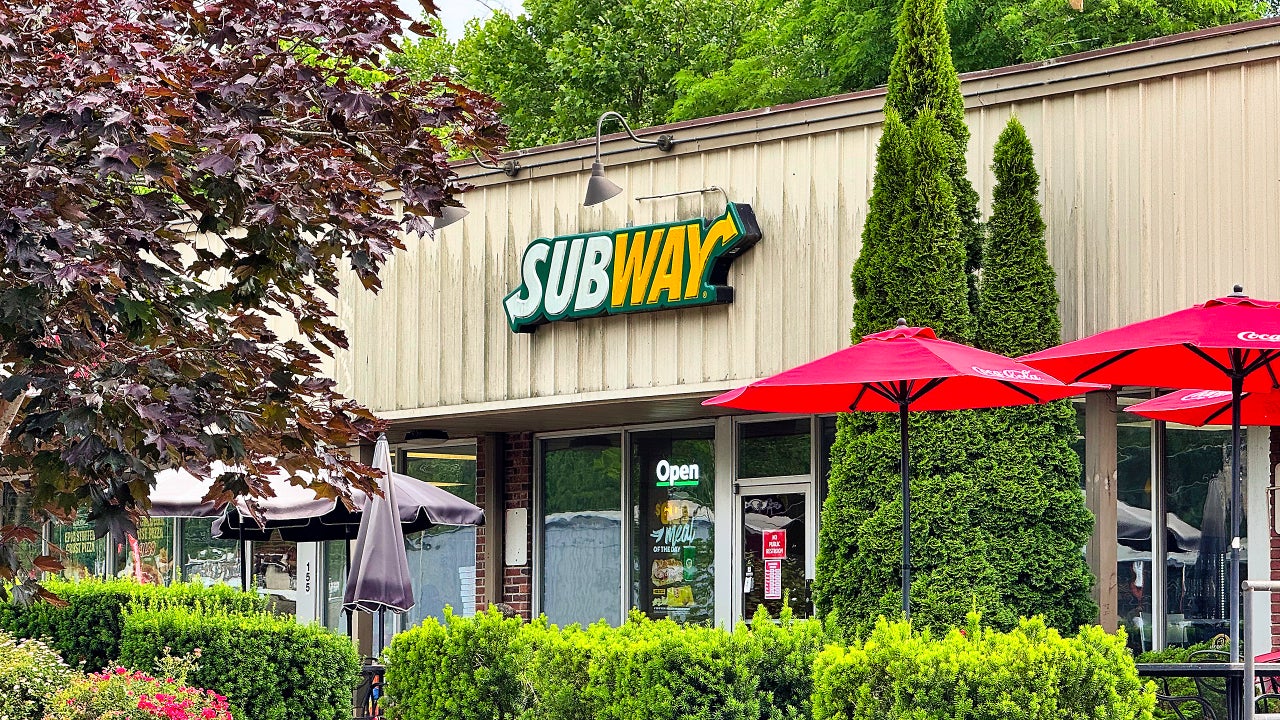
Subway store closures: See a list of shuttered locations after a large franchisee filed for bankruptcy
A number of Subway restaurants have closed their doors after their owner filed for bankruptcy, the latest wave of store closures to impact a large franchisee of a major fast-food chain this year. Affiliates of MTF Subs, which together operate dozens of Subway restaurants across four states, have rejected the leases for six locations, court records reviewed by Fast Company show. Additional stores could also close, as the franchisee has been evaluating the remainder of its store footprint. A bankruptcy judge recently gave the franchisee until August to decide if it will reject additional store leases. The six shuttered restaurants, in Maine and Virginia, were all still listed on Subway’s store locator tool as of Monday, albeit with no operating hours. As of this week, most of the locations are also marked “temporarily closed” on Google Maps. It was not immediately clear what will happen to the spaces. According to an April court filing, MTF said it expected to save more than $10,000 a month on lease costs as a result of the closures. Fast Company has reached out to Subway, MTF Subs, and its legal counsel for comment. The closures come after MTF Subs, through its business affiliates, sought Chapter 11 protection in January, citing financial problems as a result of merchant cash advances that had proved difficult to pay back. Joint bankruptcy cases were filed in the Eastern District of Pennsylvania, with limited liability companies MTF Enterprises and MTF Holdings listed as lead debtors. Three months after its bankruptcy petition, MTF told the court that it had identified a number of its Subway locations whose lease costs could not justify continued operations. It said it notified the landlords of its intention to reject those leases and promised to vacate the stores by April 30. Why did this franchisee file for bankruptcy? MTF Subs has been in the Subway franchise business since 2017. According to its website, its founder, Michael Fay, worked as a “sandwich artist” at