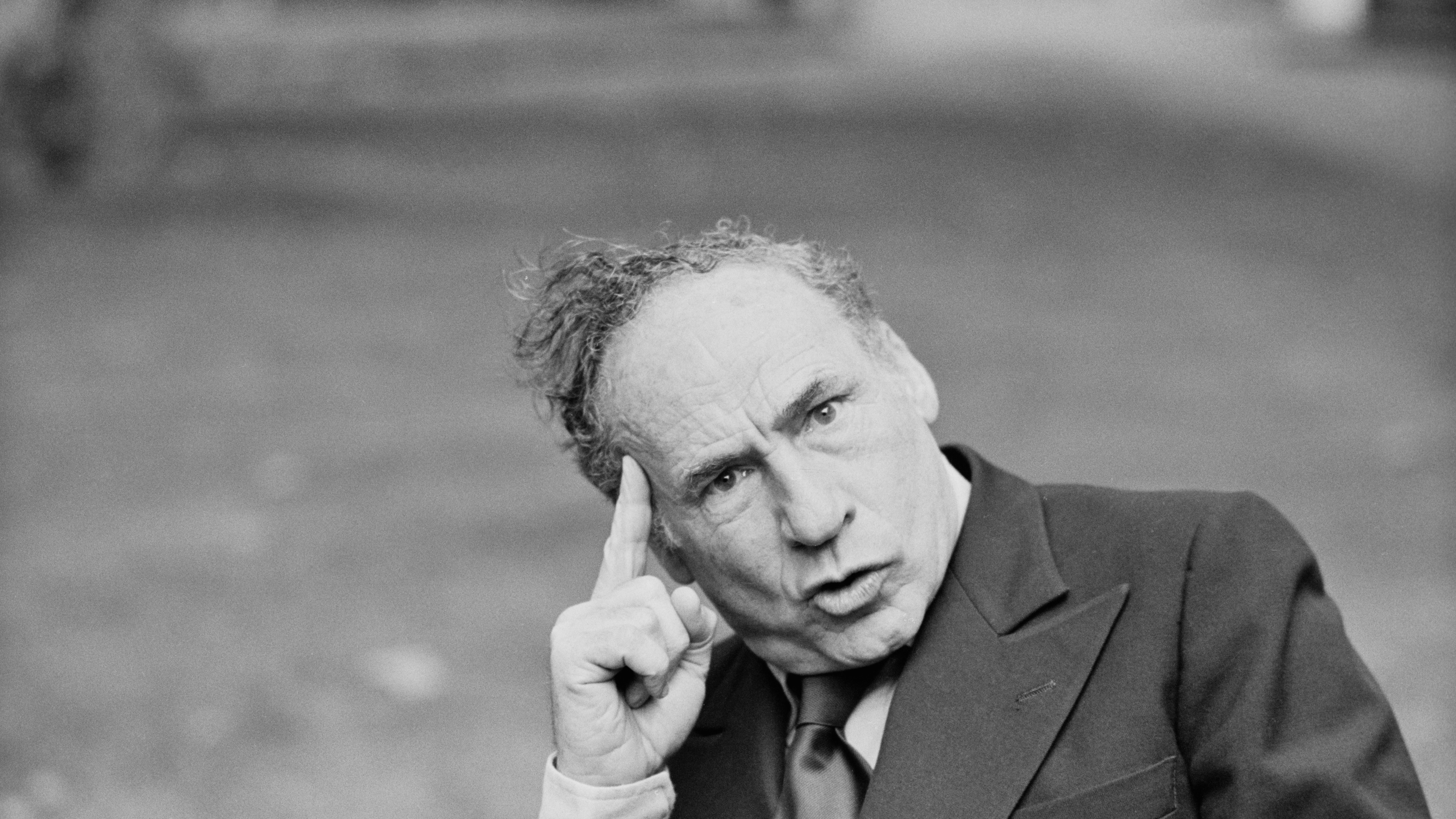
Thank God for Mel Brooks
If you want to understand Mel Brooks, and I mean really understand him, a good place to start is with Nikolai Gogol’s unfinished masterpiece Dead Souls. This is the 1842 novel that Brooks, at his most sentimental, has returned to again and again and again. If you know even a little bit about Gogol and a little bit about Brooks—each is a brilliant, obsessive, absurdist maximalist in his own way—this connection will make immediate sense.People sometimes call Gogol the father of Russian realism, yet in Dead Souls, especially, he explores the human condition with the unmistakable verve of a comedian—seizing on preposterousnesses hiding in plain sight, piling absurdities atop one another until the tension cannot hold, generally dazzling (and, yes, sometimes confounding) the reader with his originality and playfulness.Brooks came to Gogol in the early 1950s on the recommendation of a mentor, the TV writer Mel Tolkin, while they were both working on the sketch-comedy sensation Your Show of Shows. As Brooks remembers it, in a story he’s told repeatedly, Tolkin urged him toward Dead Souls, saying, “Even though you’re an animal from Brooklyn, I think you have the beginnings of a mind.” (Incidentally, Gogol ends the novel mid-sentence in just the way that Brooks once, in search of a punch line that never came to him, broke off in the middle of a riotously funny monologue and walked out, not just of the room, but of the party he was attending.)Tolkin happens to be the mentor who said of Brooks: “Half of Mel’s creativity comes out of fear and anger. He doesn’t perform, he screams.” This was an era in which a still-unknown Brooks would show up late to the writer’s room—a habit that drove his colleagues nuts—and then get the biggest laughs out of them anyway. He was outrageously funny, and had unbelievable range. One minute he’d be doing an impression of a rabbi, and the next he was writhing around on the floor pretending to be a harpooned whale (a Melville reference, naturally).