‘Will I still matter?’ The ‘Optimism Doctor’ says people can tolerate uncertainty—the AI angst is about something else
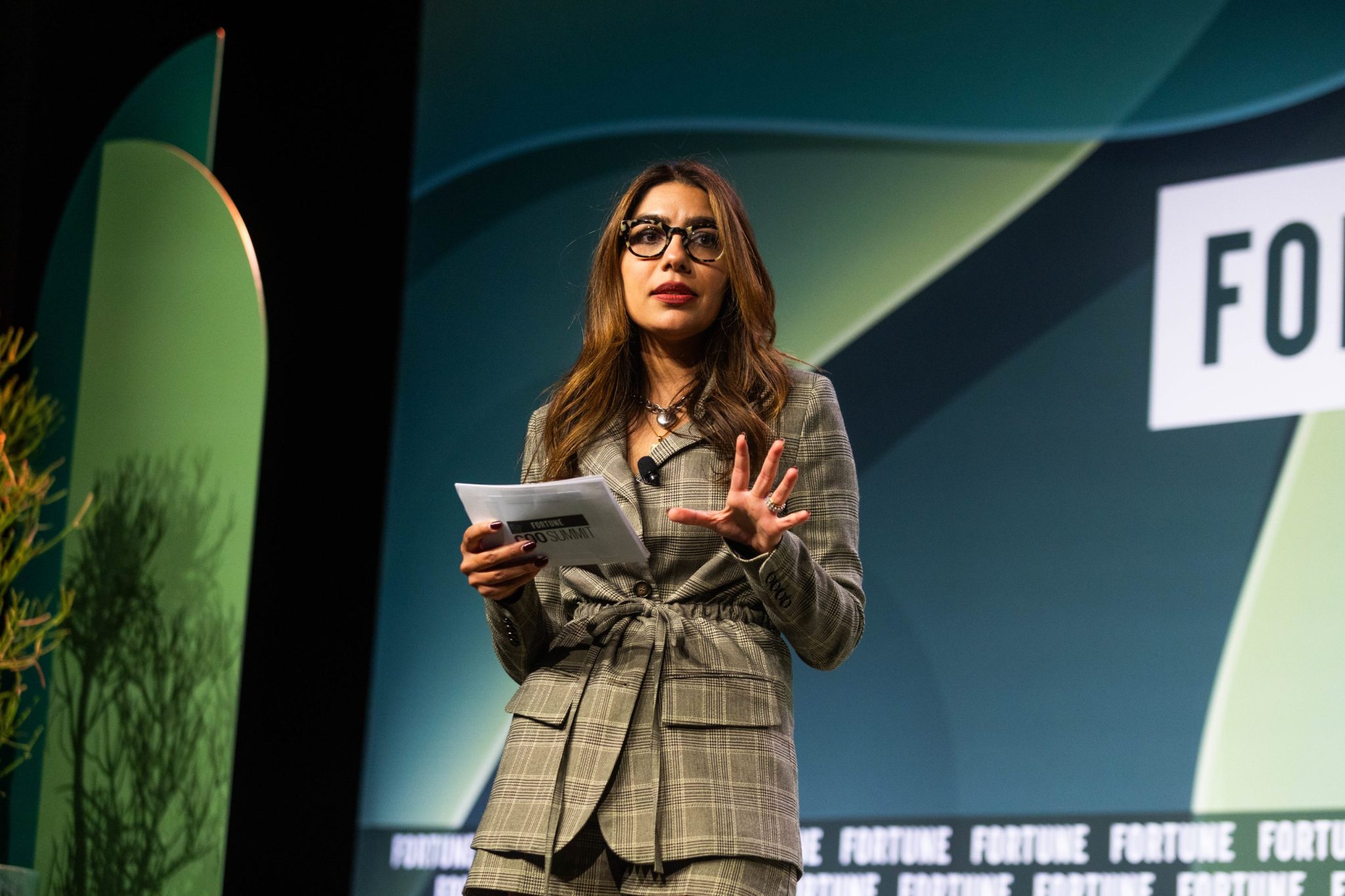
When Dr. Deepika Chopra took the stage at the Fortune COO Summit, she didn’t open with a slide deck or a framework. She asked everyone to close their eyes and breathe. Chopra—a clinical health psychologist, behavioral scientist, and the woman who has trademarked the title “The Optimism Doctor®”—said she wanted to make a point before saying a single word about artificial intelligence: We are spending an enormous amount of time talking about the technology, and not nearly enough time talking about the humans running it. “Every conversation about AI is ultimately a conversation about change,” she told the room. “And change is primarily not a technological experience. It’s a psychological one.” The real resistance problem One wonders what the COOs in the audience—many of them deep in the middle of large-scale AI adoption—made of this: a relief or a rebuke? Rolling out a major technology initiative and finding that teams resist it, misinterpret it, or quietly stall it is one of the most common frustrations in enterprise leadership right now, and a major discussion point throughout the conference. The standard response is to invest more in change management, clearer communications, better training. Chopra’s case is that most of those responses are solving the wrong problem. “What leaders often interpret in this moment as maybe resistance,” she said, “is something completely different sometimes. It’s a very normal human response to uncertainty. It’s not a capability problem. It’s a psychological one.” The mechanism, she explained, is neurological. When uncertainty increases, the brain’s threat-detection system—the amygdala—activates. Thinking narrows, risk tolerance drops, creativity shrinks, and people grow more attached to familiar ways of doing things. None of that is stubbornness or sabotage, Chopra explained. It is, quite literally, the brain doing what it was designe