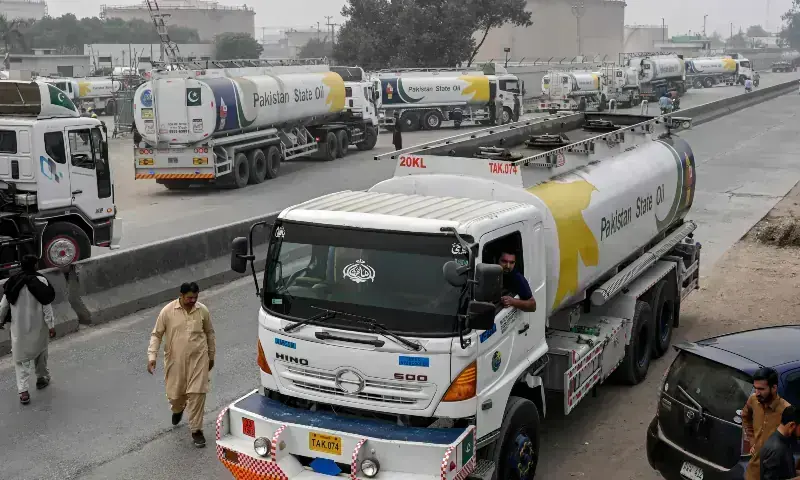
Stability as strategy in an energy crisis
Why this matters: local context for readers following news across Pakistan and the region.
This is the third global energy shock in less than two decades. For Pakistan, where imported fuel underpins much of the economy, the impact is invariably sharper than for most peers. The previous shocks in 2008 and 2022 did more than raise prices. They destabilised growth, strained external balances and reshaped politics. As the current crisis unfolds, the central question is whether policymakers will finally break from a pattern of costly, short-term fixes. The first episode, in 2007–08, was particularly severe. Oil prices doubled between June 2007 and June 2008. Prior to the surge, Pakistan’s economy was in relatively comfortable shape. Foreign exchange reserves stood at over $13 billion, covering more than 30 weeks of imports. Growth averaged nearly six per cent in preceding years, the currency was stable, and equity markets were buoyant. As the shock coincided with an election cycle, the government chose not to pass on the full burden to consumers, absorbing the increase through subsidies. The consequences were severe. Coupled with significant political instability, foreign direct investment declined by more than 20pc. Foreign exchange reserves fell to just over $5bn. In response to a deep balance-of-payments crisis, the State Bank raised the policy rate to 15pc and above, while introducing tighter import controls. Although global oil prices dropped below $40 per barrel in August 2008, inflation remained in double digits from 2008 to 2011, and many of the regulatory duties introduced at the time continue to persist. Since that period, Pakistan’s exports, which were growing at double-digit rates from 2001 onwards, began to stagnate, and Pakistan has fallen seriously behind its peers. Excessive tightening now could discourage investment, raise borrowing costs, and disrupt business activity, especially for smaller firms The 2022 shock, triggered by the war in Ukraine, followed a similar pattern. Crude oil prices rose above $120 per barrel, inflation climbed to arou