The automation illusion: Why AI is making COOs’ jobs harder, not easier
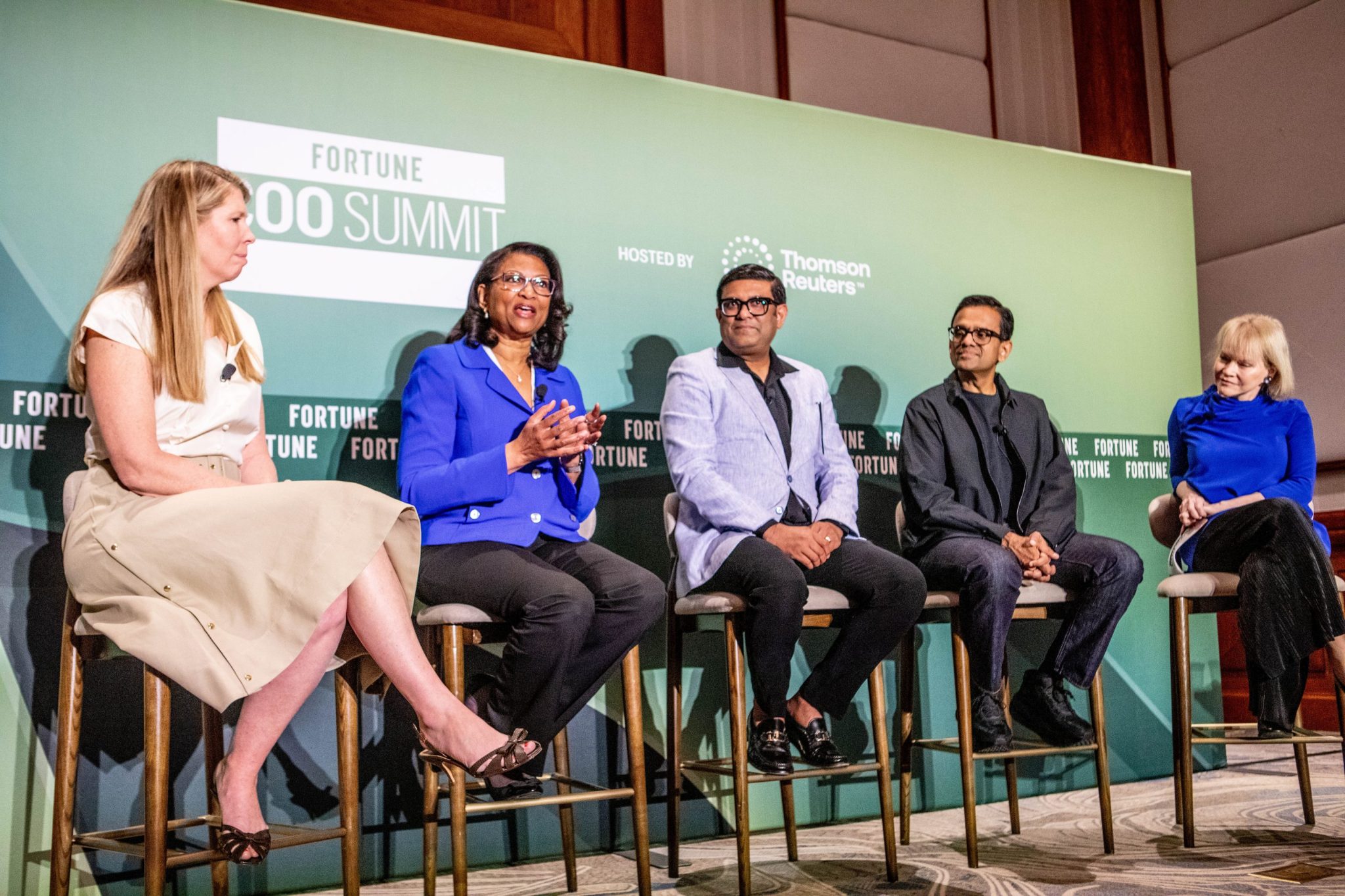
When the COO of Nike, the chief of operations at an $84 billion food distributor, and the CEO of a major tech media company walked into the same room at the Fortune COO Summit, they came ready to talk about what AI was doing for them. Speed. Scale. Revenue unlocked. The future arriving ahead of schedule. What they described instead, during a lunch roundtable hosted by Thomson Reuters, was something closer to organized chaos. “The biggest challenge I could see is speed without clarity,” said Venkatesh Alagirisamy, EVP and COO of Nike. “I see a lot of hype around AI that drives a lot of energy within organizations in wanting to adopt AI, but without that clarity, without that sense of purpose, that speed could get us in the wrong direction.” Welcome to what panelists called the “automation illusion” — the dangerous gap between what AI promises operations leaders and what it actually delivers. The promise was simple The way the COOs described it to Fortune Editorial Director Diane Brady the AI pitch was almost too good. Automate the routine. Free up the workforce. Let the machines handle forecasting, logistics, compliance, customer service. Let humans handle strategy. Aayush Bhatnagar, global head of customer service at Sysco — which moves food to restaurants across North America, generating nearly $84 billion in annual revenue — put it plainly: the goal was to take tribal knowledge baked into decades of human relationships and institutionalize it at scale. “Every piece of broccoli you’re eating has moved an average of 2,000 miles,” he said. The supply chain that makes that happen runs on judgment calls made by people who’ve been doing it for years. AI was supposed to absorb that expertise and multiply it. And in some ways, it has. Nike launched an internal learning platform 12 months ago — peer-curated, bottoms-up, not mandated from above — and logged 20,000 digital courses taken, with 3,000 live training ses