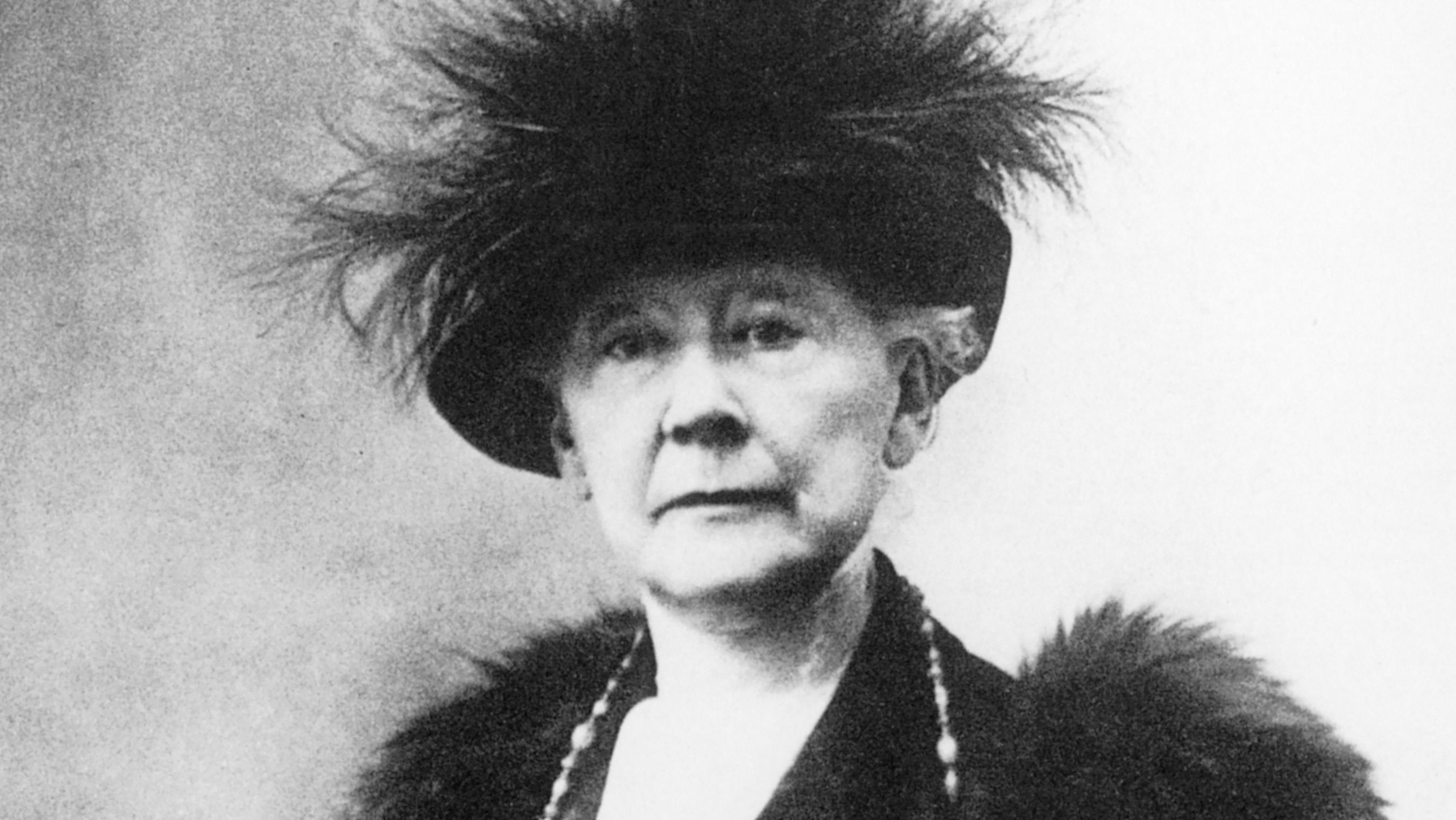
Mary Cassatt Was a Radical
On December 1, 1936, a group of artists stormed the New York City office of the Works Progress Administration. They were protesting budget cuts to the Federal Art Project, a New Deal program that employed artists to create works for public spaces across the country. Of the 219 who were arrested, several gave fake names to the police, offering aliases such as Cézanne, Picasso, and Van Gogh—painters who had once staged their own kind of revolution.Among the jailed protesters was the painter Lee Krasner, who in the subsequent decade would play a central role in the Abstract Expressionist movement (and also marry Jackson Pollock). When arrested, she too used a famous artist’s name in lieu of her own: Mary Cassatt.Later, Krasner would joke that she “didn’t have a big selection, you know,” of women artists’ names from which to choose. But Krasner, who had pursued formal art training, knew the history of her craft. Although Cassatt is now most remembered for her sentimental-seeming images of mothers and children, she had also mounted a revolution. Cassatt’s contemporaries knew her as a visionary painter of daily life, one who confronted the enigmatic complexities of being a woman in the modern world. The only American to exhibit with the Impressionists, Cassatt astounded audiences with her radical compositions, bold color choices, and disregard for conventional standards of beauty. French critics regularly noted her virile (“manly”) technique and the deeply psychological nature of her art. As the Impressionists rose to prominence, so did she. Only later, in the 1890s, did Cassatt create her enduring maternal scenes—but those works, too, stressed not tender family ties but the hard work of child care.Cassatt’s paintings, pastels, and prints adorn the knickknacks that fill shop displays in the days leading up to Mother’s Day. Owing to this association, and unlike most women artists who came before or after her, Cassatt has retained a rare degree of name recognition. But it h