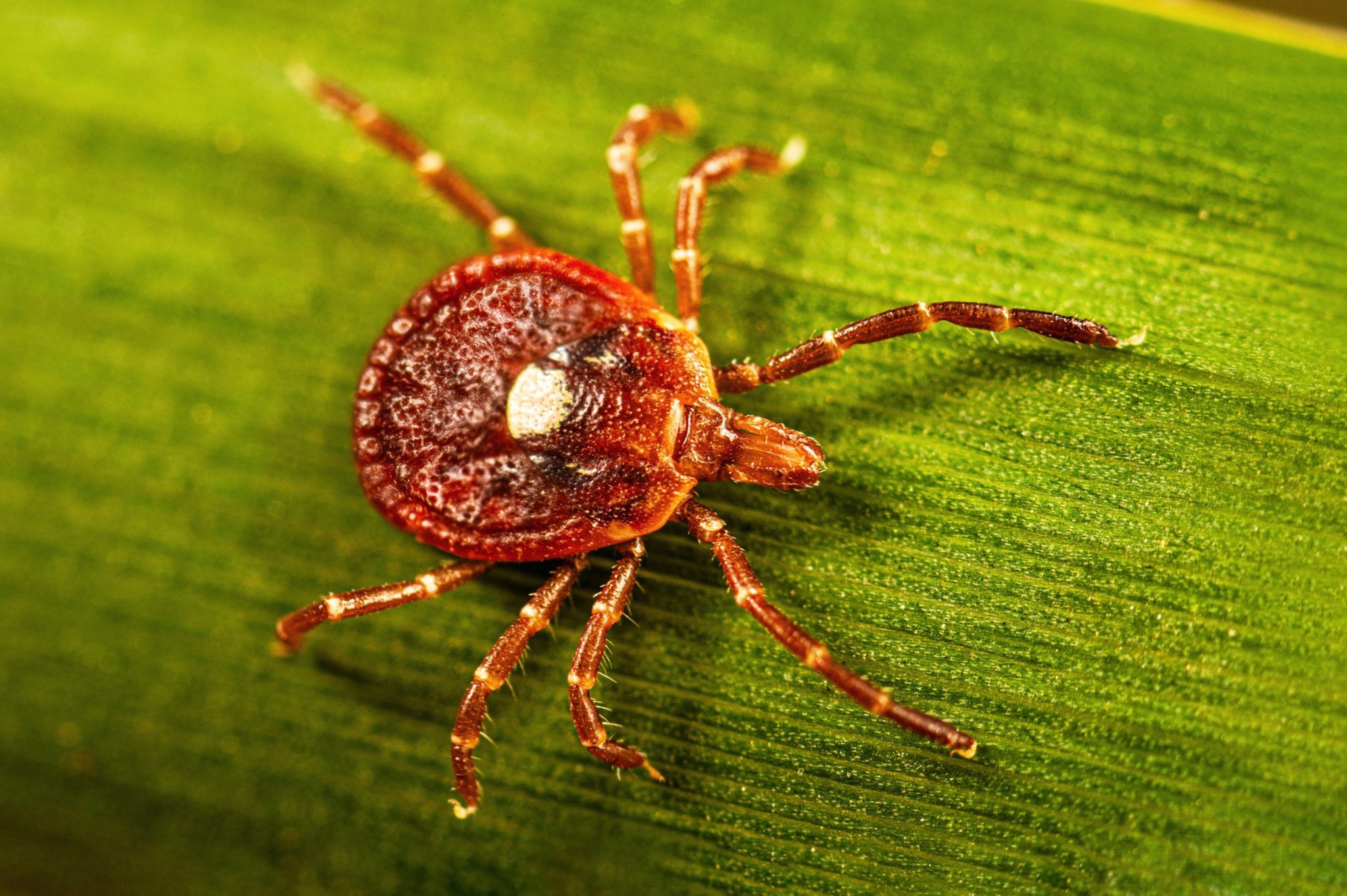
Meet the lone star tick: the primary U.S. source of alpha-gal syndrome, which is a life-threatening meat allergy that’s on the rise
It’s common knowledge that ticks can spread infections that cause serious illnesses, including Lyme disease. Now health officials are trying to raise awareness of a lesser-known problem: a life-threatening allergy to meat triggered by tick bites. The problem, known as alpha-gal syndrome, was first linked to a particular species of ticks about 15 years ago. But cases are on the rise as more people report symptoms such as hives, diarrhea and itchiness after eating as little as a mouthful of meat and — in some cases — dairy. The allergy doesn’t impact consumption of seafood or poultry. Chicken, turkey and eggs are all OK to eat. For years, the standard treatment has involved avoiding foods that come from cows, pigs and lambs while carrying an epinephrine injector in case of medical emergency. But regulators recently approved the first drug for the condition, and more therapies may be on the way. Here’s what to know about alpha-gal syndrome: What causes it? Unlike other tick-borne illnesses, such as Rocky Mountain spotted fever, alpha-gal syndrome isn’t caused by a bacteria or a virus. Instead, it occurs when the human immune system triggers an allergic response to a type of sugar, known as alpha-gal. Alpha-gal is found in the meat of most mammals, but not in humans or other primates. It’s also found in the saliva of certain ticks. When eaten, the sugar is normally harmless. But when ticks bite through the skin, they can introduce the sugar directly into the bloodstream. That triggers the development of antibodies — immune system proteins that fight off foreign invaders — that quickly learn to identify and attack alpha-gal sugar molecules. “It turns out that the skin is a fantastic way to make an allergic response,” said Dr. Scott Commins, an alpha-gal syndrome researcher at the University of North Carolina. “If this all happened orally, and we were eating alpha-gal like we do with steaks or barbecue, then we wouldn’t become all