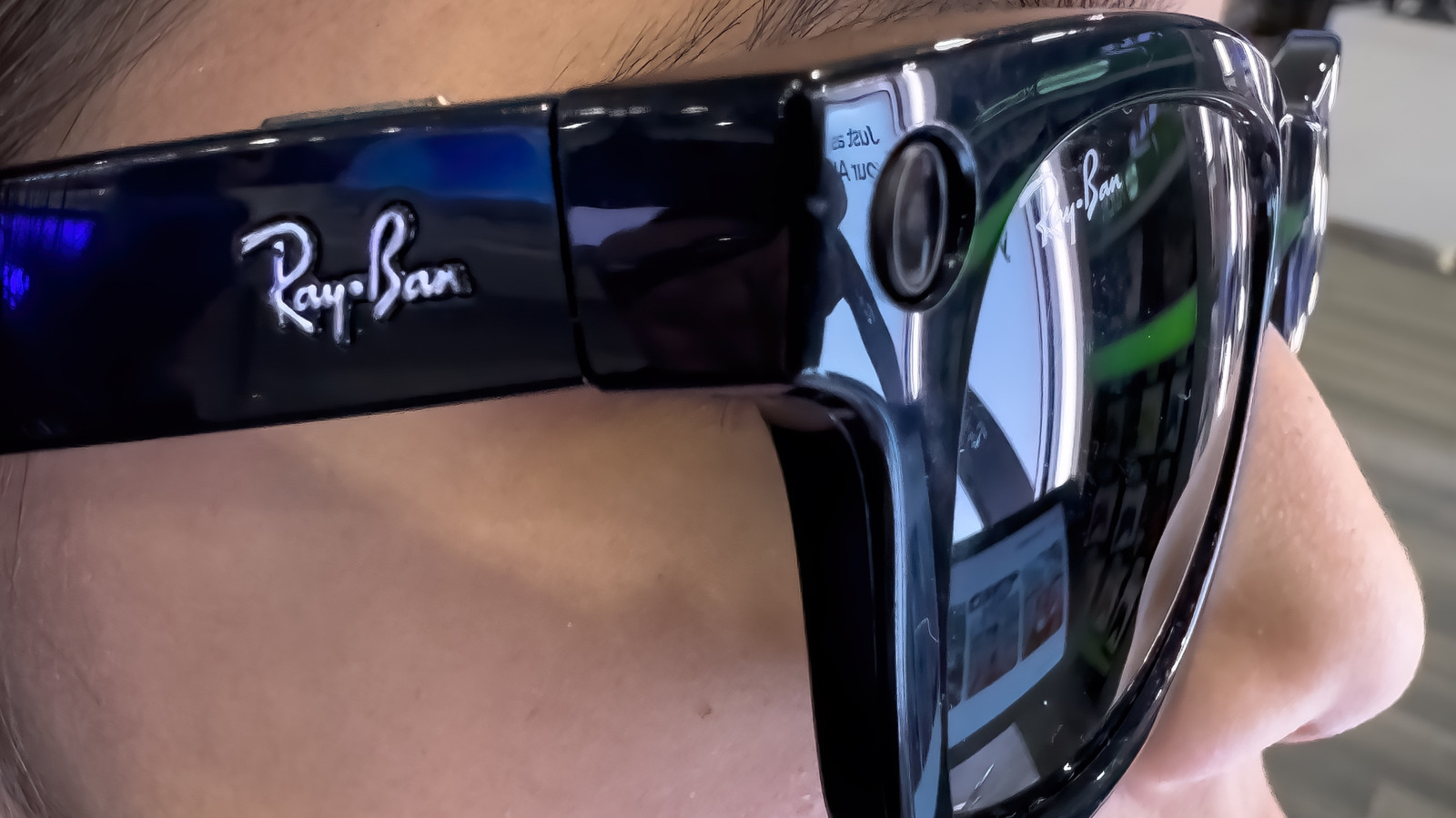
Meta quietly removes face-recognition code from its smart glasses app
Key takeaways
- The 'disappearing into the bushes like Homer Simpson' strategy is a bold choice.
- The publication had first uncovered the suspicious code, internally dubbed Name Tag within Meta, while reviewing code for a Meta AI app which handles some core features of the glasses.
- It contained algorithms which would have converted photos of faces into biometric identifiers stored on-device and cross referenced with each new facial scan.
The 'disappearing into the bushes like Homer Simpson' strategy is a bold choice.
Habanero Pixel/Shutterstock Only a day after a dormant bit of code that seemed to be a facial recognition algorithm was discovered in a companion app for its smart glasses, Meta released an update which removed that code, Wired reported. The publication had first uncovered the suspicious code, internally dubbed Name Tag within Meta, while reviewing code for a Meta AI app which handles some core features of the glasses. In other words, the same app necessary for pairing Meta smart glasses to a user's phone over Bluetooth was also ready to start harvesting every face a user passed by while wearing them.
Wired uncovered the dormant tool on June 4. It contained algorithms which would have converted photos of faces into biometric identifiers stored on-device and cross referenced with each new facial scan. On June 5, an update was released which removed it entirely. In February, The New York Times had reported that Meta was working to bring facial recognition to its glasses. Given that the Times heard the internal moniker Name Tag bandied about at that time, the code discovered by Wired was likely the fruit of those efforts.