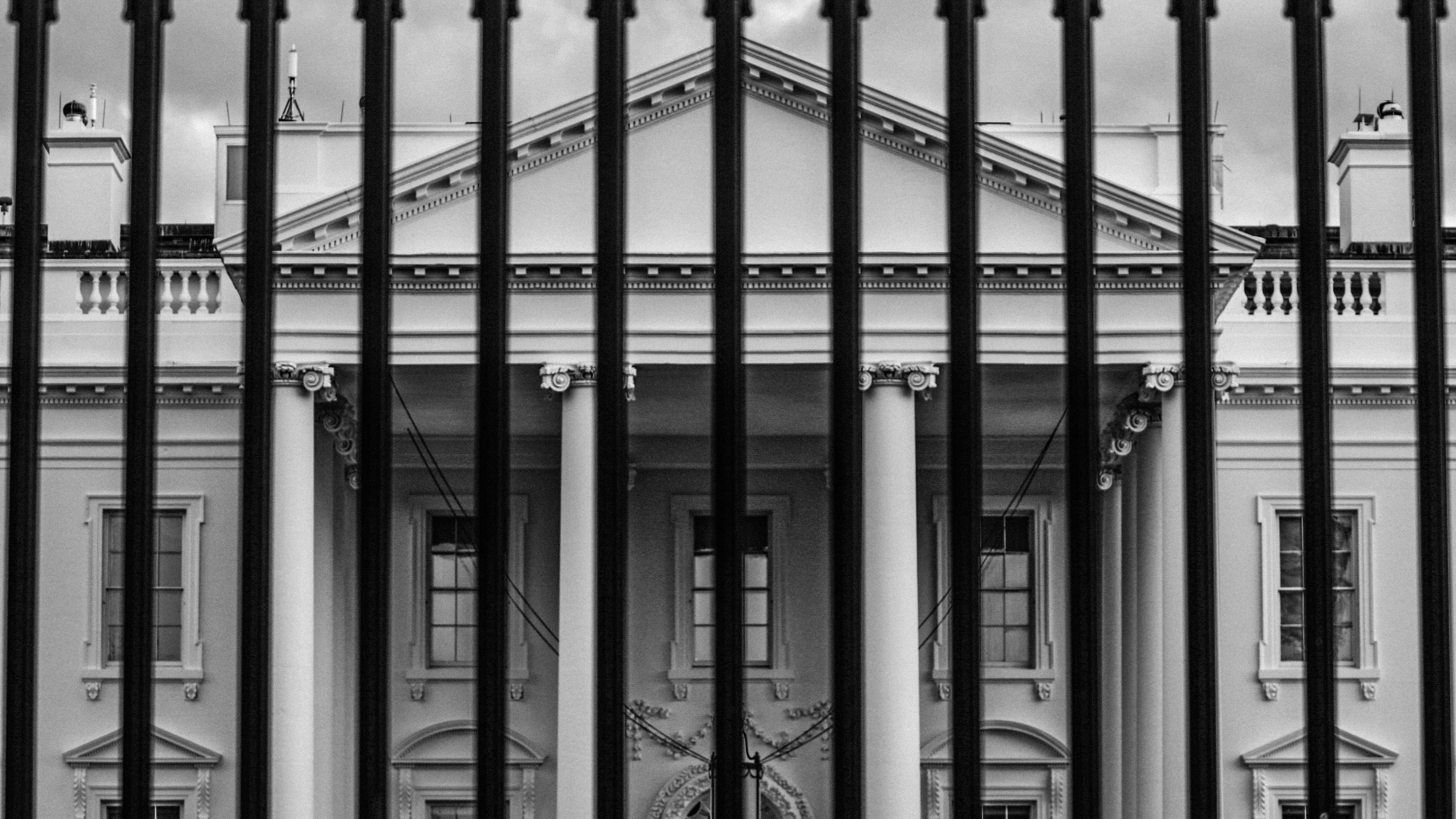
The White House Is the New Green Zone
Across from the White House sits a museum called The People’s House: A White House Experience. Inside is a replica of the Oval Office, and interactive exhibits on what it’s like to attend a State Dinner or sit in on a Cabinet meeting. It’s about as close to the White House as you can get without actually being there, a wholesome reminder of how democracy is supposed to work.But early last Saturday evening, two bullets shattered the glass between displays of Christmas ornaments and dining plates. A 21-year-old gunman had opened fire on Secret Service agents who then returned fire, killing him.It was the latest reminder of how our democracy is actually working, how omnipresent political violence can feel, how inaccessible public buildings are becoming to the public. Three times in four weeks, gunfire has broken out as federal agents were protecting the president and vice president in the vicinity of the White House. Three months ago, a man was shot and killed after entering the Mar-a-Lago security perimeter with a shotgun and fuel can. Three months before that, two National Guard members were shot just blocks from the White House. The Secret Service, which says it has protections all around the building—some visible, some not—has a division that over the past year has been studying the rise in violent rhetoric and action to get at the question: What is driving the attacks—and can they be headed off in advance?The Secret Service has investigated 40 percent more cases this year than it did during the comparable period in 2025, the agency told me. It’s had seven times more cases involving people with mental-health issues over that same time period. The surge is putting the Secret Service in what longtime agents say is an unprecedented threat environment.“In the past, there have been some peak periods where we had maybe a really large uptick for a month or two,” Matthew Quinn, the deputy director of the Secret Service, told me. “But for us right now, it’s not a linear inc