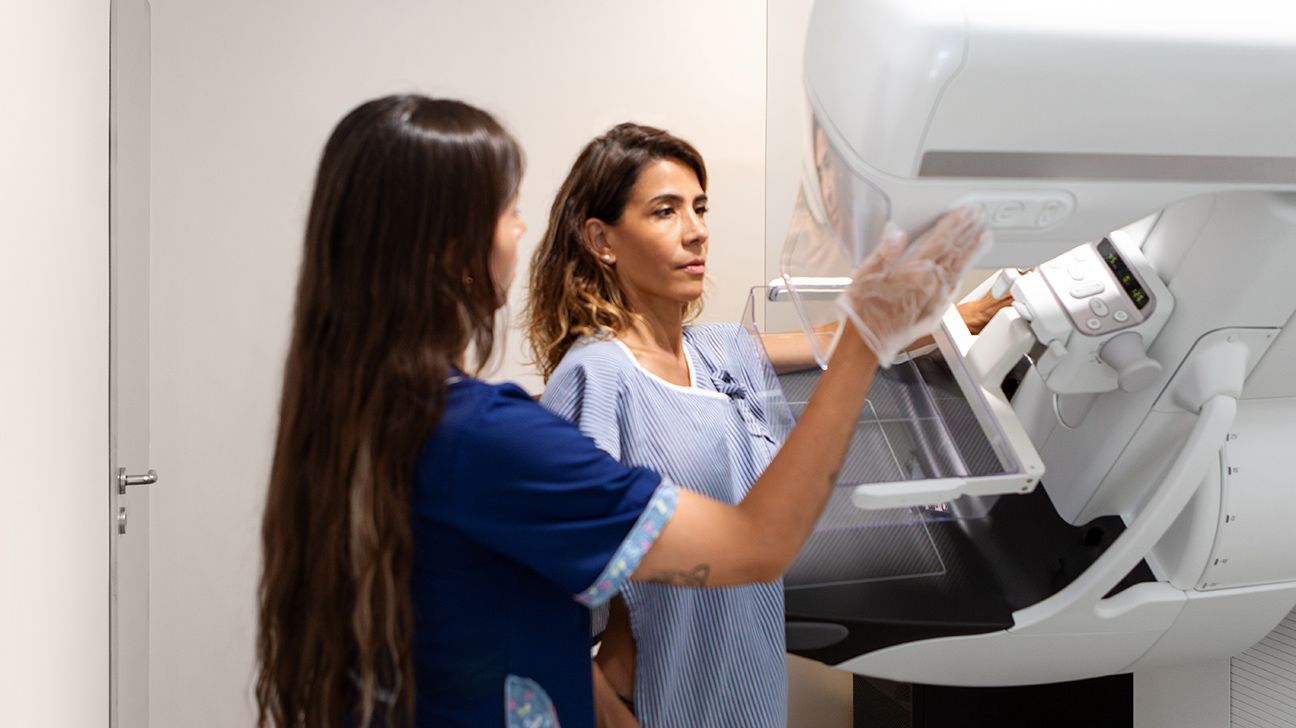
GLP-1s Like Ozempic May Help Lower Breast Cancer Risk. Here’s How
Why this matters: health reporting relevant to everyday decisions and well-being.
New research suggests that GLP-1 drugs could serve as an effective strategy for breast cancer prevention. ruizluquepaz/Getty Images. A new study found that females using GLP-1 drugs had about a 30% lower risk of developing breast cancer. The effect may be related to the metabolic improvements associated with this class of medications. More research is needed before GLP-1 drugs can be recommended for breast cancer prevention. Experts say that regular screening and a healthy lifestyle remain important preventive measures. A new study from the University of Pennsylvania has found that women who take GLP-1 medications are about 30% less likely to develop breast cancer. Semaglutide, the active ingredient in GLP-1 drugs like Ozempic and Wegovy, mimics a hormone called glucagon-like peptide-1, which helps regulate blood sugar and appetite. GLP-1 medications were originally developed to treat type 2 diabetes, but are also widely prescribed for weight loss. The new research raises hope that GLP-1 drugs could serve as a strategy for breast cancer prevention, especially among higher-risk females with overweight and obesity. The study was presented at the 2026 American Society of Clinical Oncology (ASCO) Annual Meeting and published on June 2 in JCO Oncology Practice. The findings come at a moment when scientists are exploring the use of GLP-1 drugs to treat other conditions beyond type 2 diabetes and obesity, such as sleep apnea and addiction. Examining GLP-1 use prior to breast cancer diagnosis The research team conducted a retrospective cohort study using electronic health records from the University of Pennsylvania Health System, which includes both academic and community medical sites across Pennsylvania and New Jersey. During this process, they identified 217,624 females who underwent breast imaging between January 1, 2022, and June 30, 2025. The study focused on 111,646 females ages 45 to 80 who were overweight or obese (BMI ≥ 25) and had documented breast imaging outcome