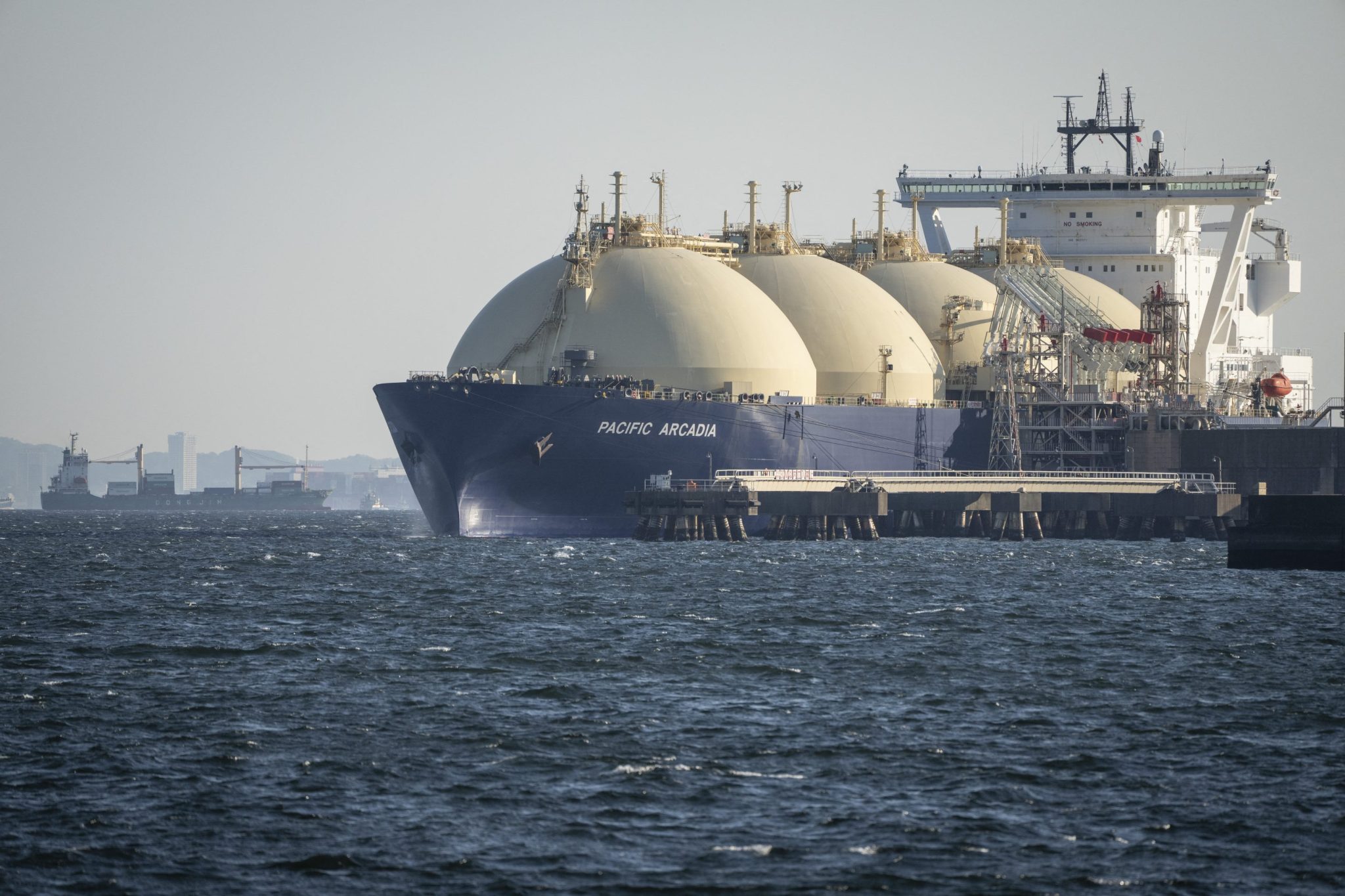
The Strait of Hormuz crisis shows energy security is now a boardroom issue
For many corporate leaders, energy risk means just higher fuel and electricity bills. Spiking oil prices mean tighter margins and more cost-cutting. Energy is a problem for governments to solve, not for boardrooms to manage. That assumption is outdated. A closed Strait of Hormuz, which carries a fifth of the world’s oil supply and a significant share of liquefied natural gas, should be a wake-up call for executives. The consequences of Middle East tensions don’t just stop at gas stations or household utility bills; instead, they quickly percolate through the economy, through higher costs for everything from freight and packaging to food and insurance. Energy shocks have always been a threat to the broader economy, but energy is now deeply embedded in complex, electricity-dependent business systems. Manufacturers rely on just-in-time supply chains, while retailers need temperature-controlled warehousing and complex logistics networks. Data centers and cloud services need uninterrupted power. The effects of a disrupted energy market now travel faster and further than in previous crises, which makes energy security as much a business issue as a public policy one. Originally, governments handled national energy security through diplomatic efforts and emergency planning. Yet in today’s economy, national resilience depends on privately-owned infrastructure and corporate decisions. That blurs the line between state strategy and corporate strategy. Put another way: Company survival and national resilience are tightly linked. Markets can adjust in the long term, but a company still needs to make it through short-term disruption. A manufacturer can’t wait a year for gas markets to normalize if key suppliers are shutting down this quarter, and a retailer similarly can’t bear higher freight costs during the peak shopping season. Many companies know what they spend on electricity and fuel, but far fewer understand exactly how an interruption to energy supplies will spread throug