NATO eastern deterrence strategy takes shape around ‘autonomous zone’
Why this matters: an international story with cross-border implications worth tracking.
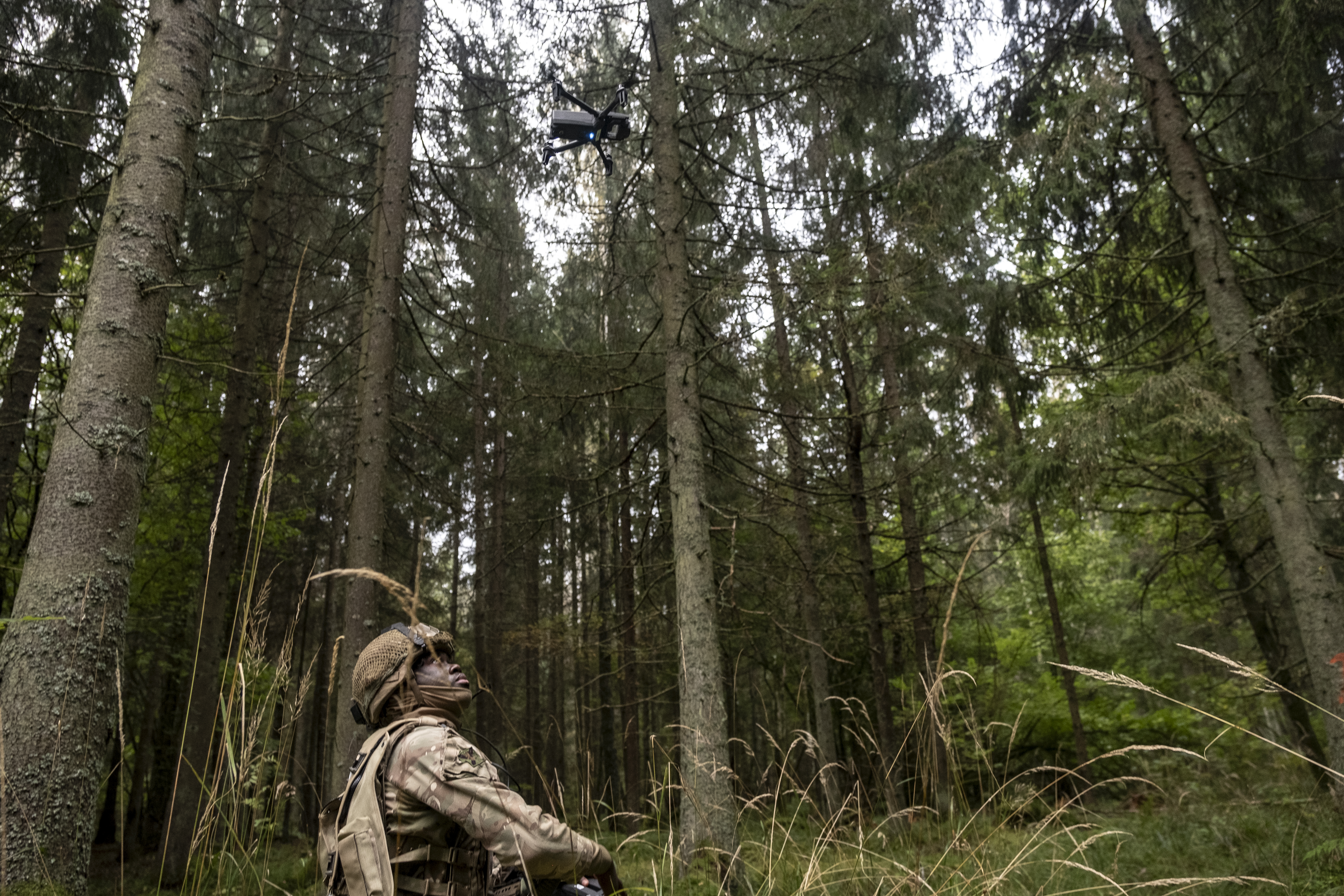
RIGA, Latvia — NATO’s plans to strengthen deterrence along its eastern flank envision an “autonomous zone” where only unmanned systems operate, with linked sensors, drones and long-range fires to detect and target invading Russian forces at the start of a conflict, alliance officials said on the sidelines of military exercises in Latvia last week.Latvian troops tried out unmanned ground vehicles during the Crystal Arrow exercise as part of operational testing to integrate new technology into NATO’s Eastern Flank Deterrence Initiative, inspired by lessons from Ukraine, said Brig. Gen. Chris Gent, deputy chief of staff transformation and integration at NATO Allied Land Command.“There’s no secrets here, it’s how warfare develops,” Gent told Defense News in an interview at the Sēlija training area in Latvia last week. “There is now a zone in front of you where you’re not going to put humans in harm’s way, and it’s all about machines taking the risk and absorbing that risk for you, and attrition.”With European intelligence agencies warning Russia could threaten NATO territory within a few years after fighting ends in Ukraine, the alliance’s Eastern Flank Deterrence Initiative aims to help build up a more credible border defense. Several countries on NATO’s eastern flank, including Latvia and Poland, have faced drone incursions from the direction of Russia over the past year.The initiative, shorthanded as EFDI, “has really picked up momentum very quickly,” United States Army Europe and Africa commander Gen. Chris Donahue told officers and officials in a briefing at the Sēlija range, describing it as NATO’s war-fighting concept.Donahue first discussed the concept at a conference in Germany last July. He said that beyond showing PowerPoint slides, it’s now about fielding capabilities and countries exercising with them to prove they work, and “make sure we have deterrence every day.”The concept includes a unified network of connected sensors, unmanned systems and both offens