The retired college professor fighting a $313 trespassing ticket in Wisconsin thinks he’s part of a national struggle
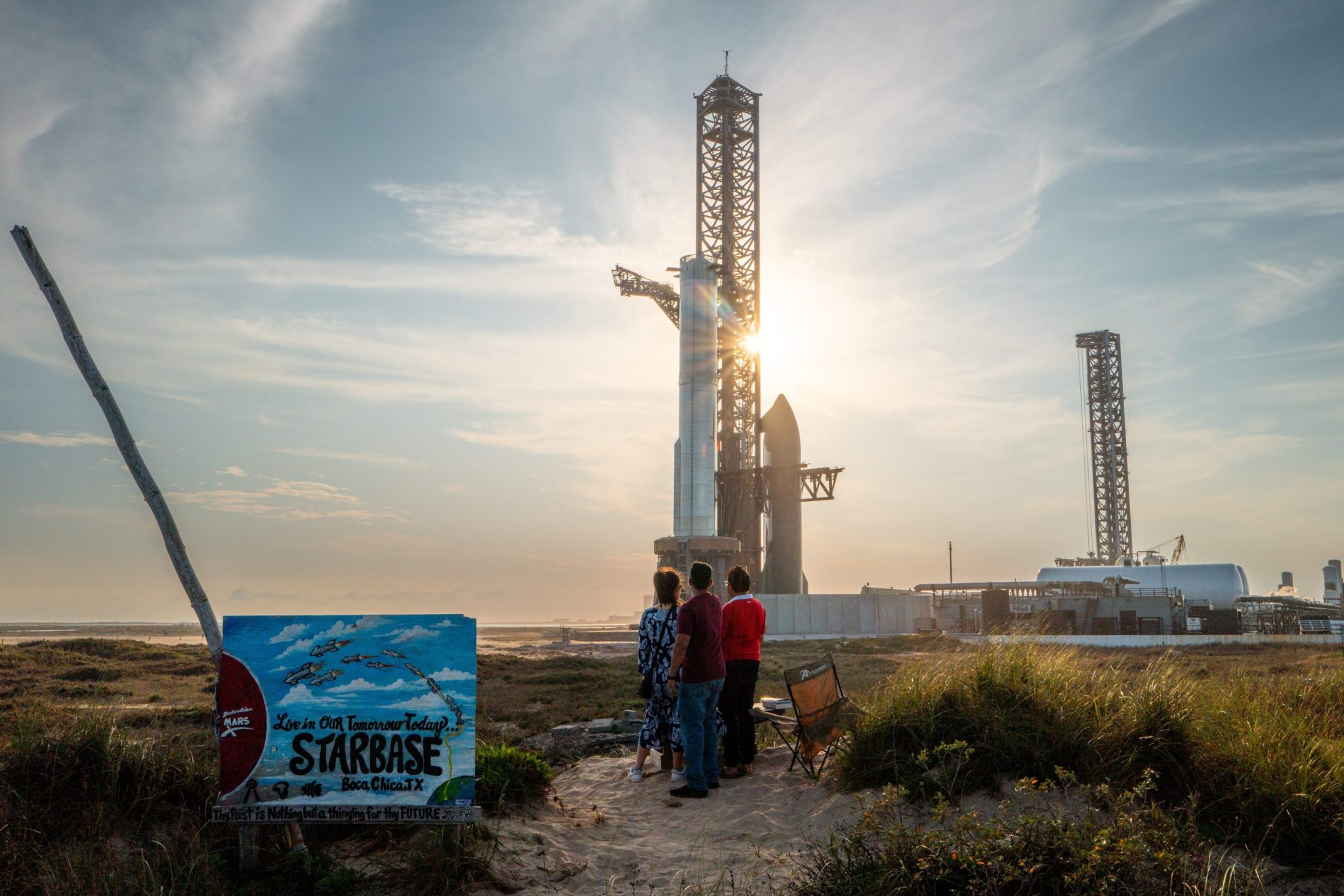
I go all throughout the year, even in the bitterest part of winter, because it’s just beautiful down there. You have these ice flows, and they’re sort of like volcanoes, and the waves come crashing through these structures. It’s like another world.” Florsheim has been walking that world, a stretch of the Lake Michigan shoreline in Shorewood, Wis., a small village north of Milwaukee, for more than 50 years, since his childhood. He walked it with his parents. He walked it when he returned to his hometown in 2008 after 30 years away. He walked it with his dog in the early mornings, before anyone else was out, in every season. Courtesy Florsheim’s stepdaughter Jessica Lakind and her mother Marcy Lichterman And when the recently retired UW-Milwaukee professor walked the route last year, the Village of Shorewood issued him a $313 trespassing ticket for doing so. Now, he’s one face of a growing trend: America’s public waterfronts are increasingly … less so. Florsheim’s legal fight is winding its way through the Milwaukee County Circuit Court, on his way, he hopes, to the Wisconsin Supreme Court. Florsheim thinks the stakes are considerably larger than one man’s morning walk. He sees the same dynamic at work in the Texas Supreme Court’s June 19 ruling that handed Elon Musk’s SpaceX effective control over Boca Chica Beach—known locally as “poor man’s beach”—and in the wave of data center projects now competing for access to Great Lakes freshwater. “If we don’t stand up for what is ours, sort of collectively ours, we’re going to regret it down the road,” he told Fortune.” People don’t want to give up what belongs to t