Q&A: Where do the UN secretary general candidates stand on climate change?
Why this matters: environmental and climate reporting with long-term consequences.
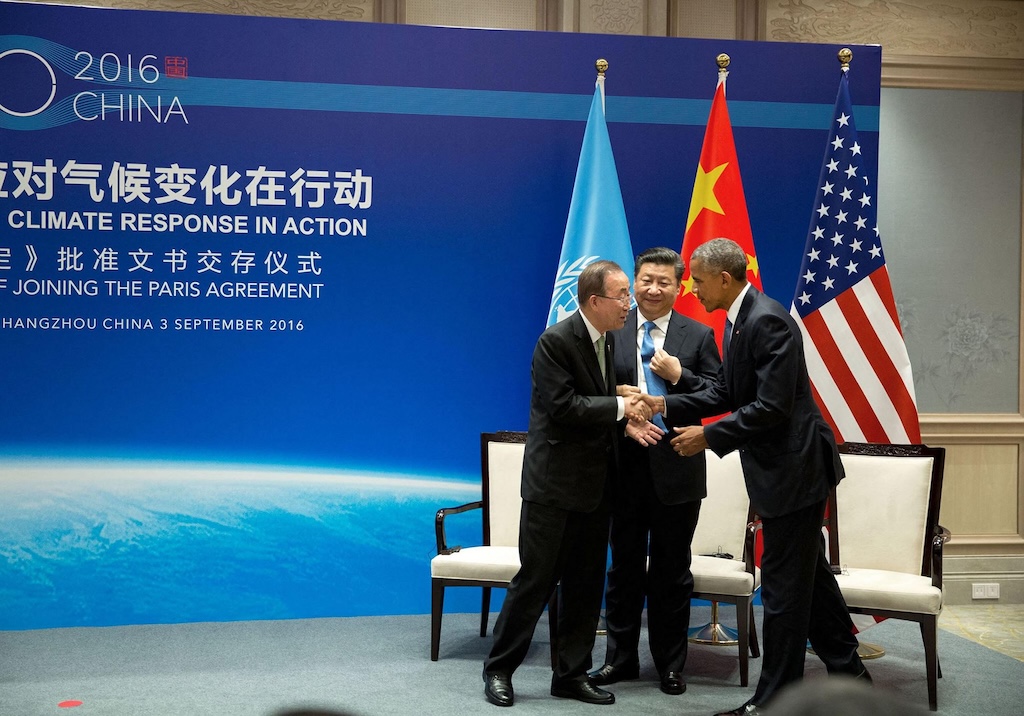
Candidates are being nominated to take over as the UN secretary general, when António Guterres steps down after nearly a decade in the role at the end of 2026. Since becoming the ninth secretary general on 1 January 2017, Guterres has been a strong advocate for climate action, saying in January 2026: “We have been outspoken on the urgent need for climate action, demanding ambition and working to rally governments, businesses and civil society.” According to the UN, his predecessor, Ban Ki-moon, also “fought tirelessly to ensure that climate change stays at the top of the leaders’ agendas”. Following a call for nominations going out in November last year, member states are currently nominating candidates to be the next secretary general. To date, six candidates have been nominated by UN member states, with more expected in the coming months. Below, Carbon Brief looks at the candidates’ views on climate change. The UN secretary general’s role in climate action The candidates Michelle Bachelet Jeria Rebeca Grynspan Mayufis Rafael Mariano Grossi Macky Sall María Fernanda Espinosa Garcés Carolyn Rodrigues Birkett Next steps The UN secretary general’s role in climate action The UN charter describes the secretary general as the organisation’s “chief administrative officer”. According to the UN, they are a “symbol of UN ideals and a spokesperson for the interests of the world’s peoples, in particular the poor and vulnerable among them”. It adds that the role is “[e]qual parts diplomat and advocate, civil servant and CEO”. Over the past two decades, UN secretaries general have used their platform to advance action on climate change.They have done so both by serving as a “moral authority” on climate change and as mediators in the drive to bring countries together, according to the UN. Ban Ki-moon, president of China Xi Jinping and former US president Barack Obama, as China and US deposited instruments to formally ratify the Paris Agreement in September 2016. Credit: Whi