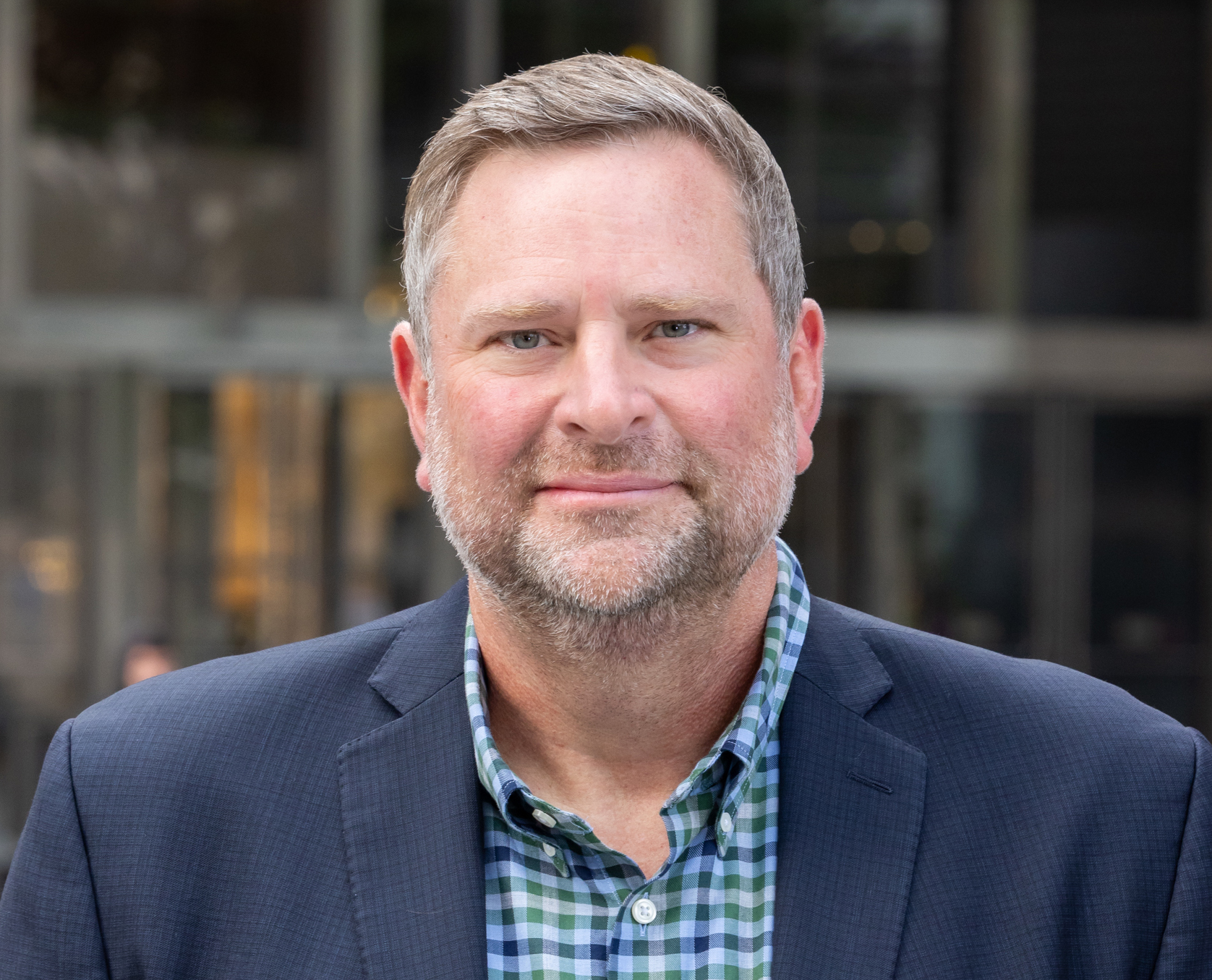
I’m leading a $100 million corporate turnaround. Here’s why I learned to distrust the growth mindset
As an insurance industry veteran, I’ve had a front row seat to watch many insurtechs adopt growth assumptions borrowed from industries where scale eventually delivers profitability. Insurance doesn’t work that way. Overseeing a $100m turnaround taught me how businesses are learning the wrong lessons – not least their adoption of Silicon Valley’s philosophy of growth-above-all-else. Let’s start with my industry. In insurance, the rise of digital challengers hasn’t brought greater prosperity; it’s distracted parts of the industry from the fundamentals that make insurance sustainable. Premiums are through the roof, in some cases up 70% in just the last five years. Insurers are retreating from high-risk zones across the U.S., leaving widening coverage gaps. We’re not the only industry seduced by the growth mindset. Recent history is full of businesses that mistook expansion for resilience and discovered too late that scale alone doesn’t fix weak fundamentals. Hippo had to confront that reality too. When I became CEO in June 2022, Hippo was entering one of the toughest periods in its history. The low point came in Q3 2023. From there through the end of 2025, we helped drive a turnaround from a $41 million net loss to $58 million in net income. I never lost confidence because, over 30+ years in insurance, I’d seen similar cycles before. Insurance is inherently cyclical. Markets change, assumptions break down, and businesses have to decide whether they adapt or keep relying on conditions that no longer exist. Our turnaround didn’t come from a single breakthrough or dramatic cost-cutting exercise. It came from recognizing that assumptions we’d relied on – such as stable risk, predictable loss patterns, and the belief that growth would eventually deliver profitability – no longer held. The reason those assumptions stopped working is simple: the underlying economics changed. Climate volatility increased, losses became harder to predict, and the cost of absor