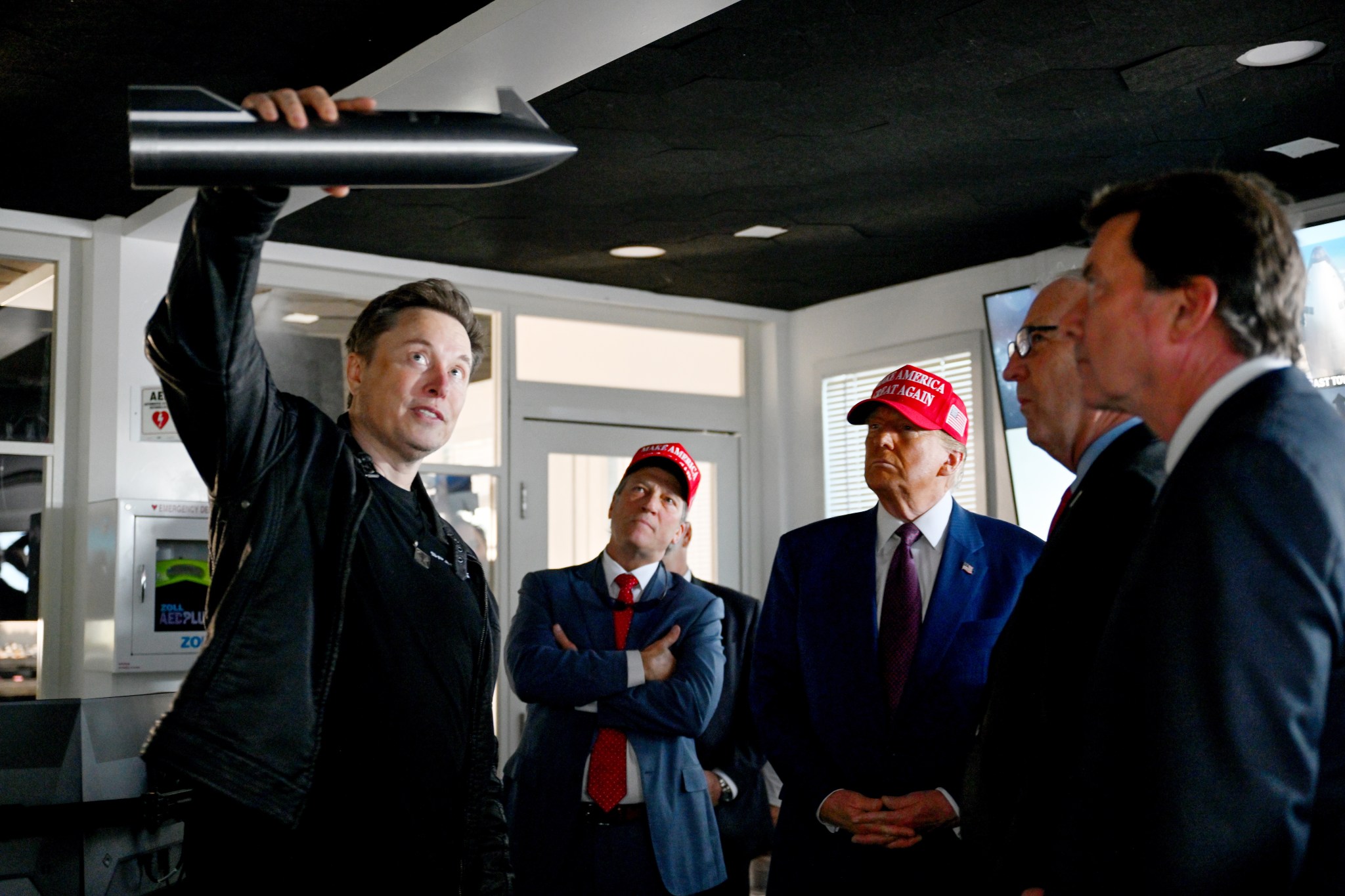
Elon Musk’s SpaceX IPO filing just told us what business he’s betting on for the future—and it’s not rockets
It’s no surprise that the Space X offering statement, filed the evening of May 20, shows that as of today, the rocket, satellite and AI enterprise sports tiny revenues and books large losses. That its market cap following the IPO slated for mid-June’s expected to hit $1.5 trillion or more highlights that its fans are basing their overwhelming optimism almost exclusively on great things to come. But a careful reading of the S-1 reveals substantial barriers in the path to achieving the sorcerous performance required to reward shareholders who flock to the most anticipated debut ever seen. The reason isn’t simply that SpaceX will be fighting the law of large numbers by starting life as a public company as an extremely expensive stock. Put simply, as the prospectus highlights, Elon Musk’s creation has essentially re-invented itself from a commercial space pioneer facing relatively mild competition, to an AI-centric player that’s vying for the same dollars and customers, as the hyperscaler crowd led by Microsoft, Google, OpenAI, Coreweave, and sundry smaller but still formidable participants. To win in that crowded and hot sector, SpaceX will need to go super-big on capex for data centers and R&D that hatches fresh enterprise products. As the prospectus displays, those already-huge expenditures are already accelerating, and they’ll keep ramping over the next few years. Yet garnering major profits from AI may take a lot longer. The S-1 makes that point as well. The original space businesses may prove highly successful, but it’s likely not big enough to do most of the work. It’s clear that Musk’s ambitions, and the investors’ hopes as reflected in the valuation, are heavily tilted to a knockout performance in AI. To handicap SpaceX’s prospects, it’s crucial to ignore the Wall Street buzz and Musk hype about colonies on the moon and examine, via the prospectus, how much money SpaceX now pours into fashio