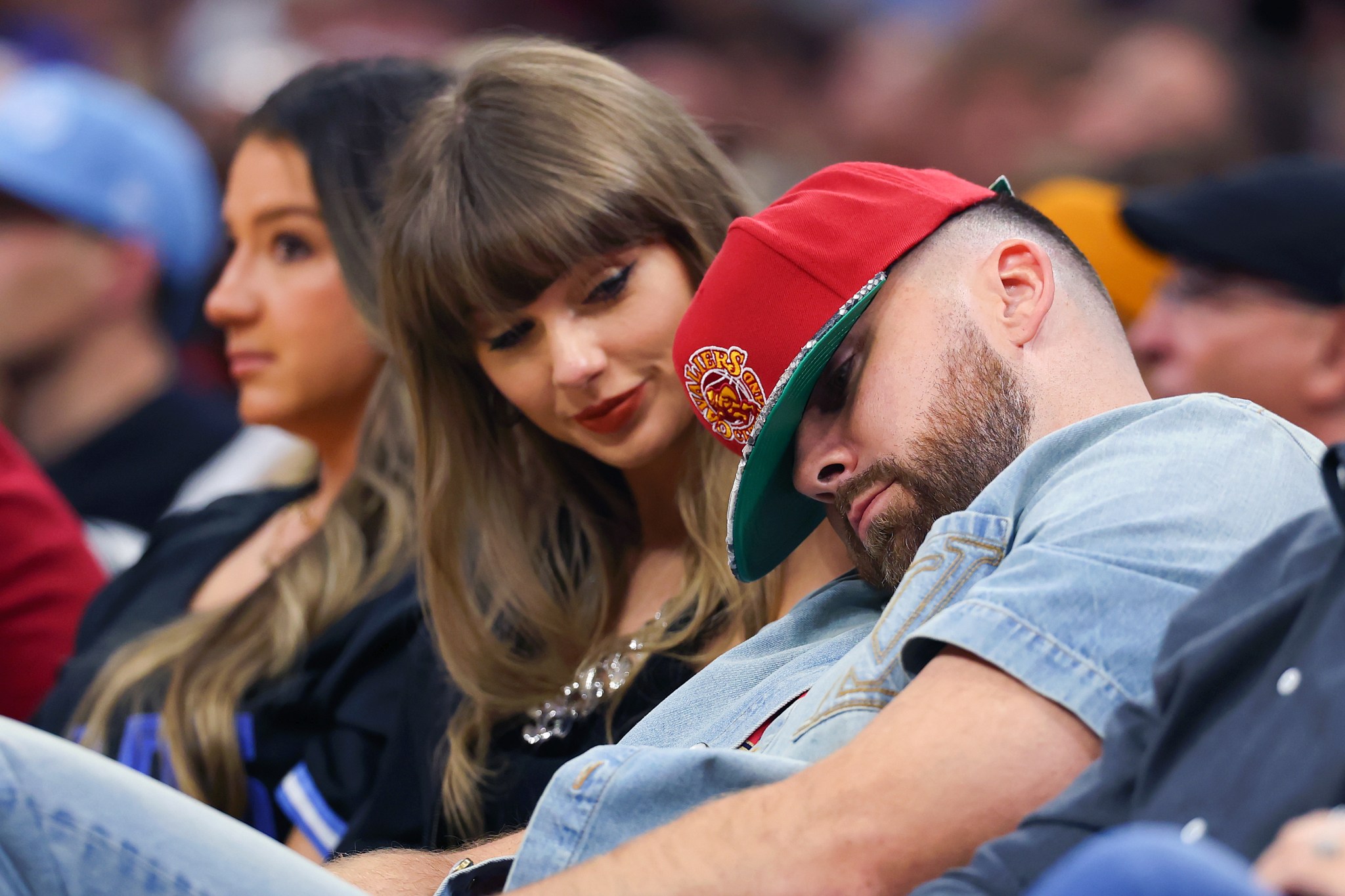
Taylor Swift, the economics of hype, and what the World Cup gets wrong
Taylor Swift accidentally ran a cleaner economic‑impact experiment than the World Cup—and she did it at the right scale. When her Eras Tour hit Philadelphia in May 2023, the Federal Reserve’s Beige Book recorded the strongest hotel revenue since the pandemic, explicitly crediting an “influx of guests for the Taylor Swift concerts in the city.” City officials in Chicago, Cincinnati, Denver, and Los Angeles told similar stories: record or near‑record hotel occupancy, packed trains, and downtowns flooded with out‑of‑town fans spending more than $1,000 apiece on tickets, outfits, food, and travel. In Los Angeles County, six shows translated into an estimated $320 million bump to local GDP and 3,300 jobs; in Denver, two dates were pegged around $140 million in state output. For economists, what matters isn’t just the dollar figure—it’s that the spike is measured where it happens: in a handful of zip codes over a specific weekend. That’s the frame worth carrying into the summer of 2026, when the World Cup arrives with far bigger promises and far blurrier baselines. The White House task force touts up to $40.9 billion in gross output and $17.2 billion in GDP, projections quickly embraced by local boosters. But when independent researchers examine past tournaments at the national scale, the macro story stubbornly refuses to emerge. Goldman Sachs, using data back to 1982, finds that hosting the World Cup has a “marginally positive but not statistically significant” effect on real GDP in the year of the event, and that the long‑run effect is effectively zero. This isn’t a paradox so much as a units problem. Swift’s Beige Book cameo is a statement about Philadelphia’s hotel revenue in a single month. The World Cup sales pitch is usually about “transformative” effects on a country’s growth path. Natixis, for example, estimates that the 2026 tournament might lift U.S. GDP by roughly 0.05 percentage points and Mexico’s by 0.1%–0.2%—positive, but modest and temporary against econo