‘Cop on your wrist’— Wearables offer tons of data but people are still going to sleep to Netflix and TikTok
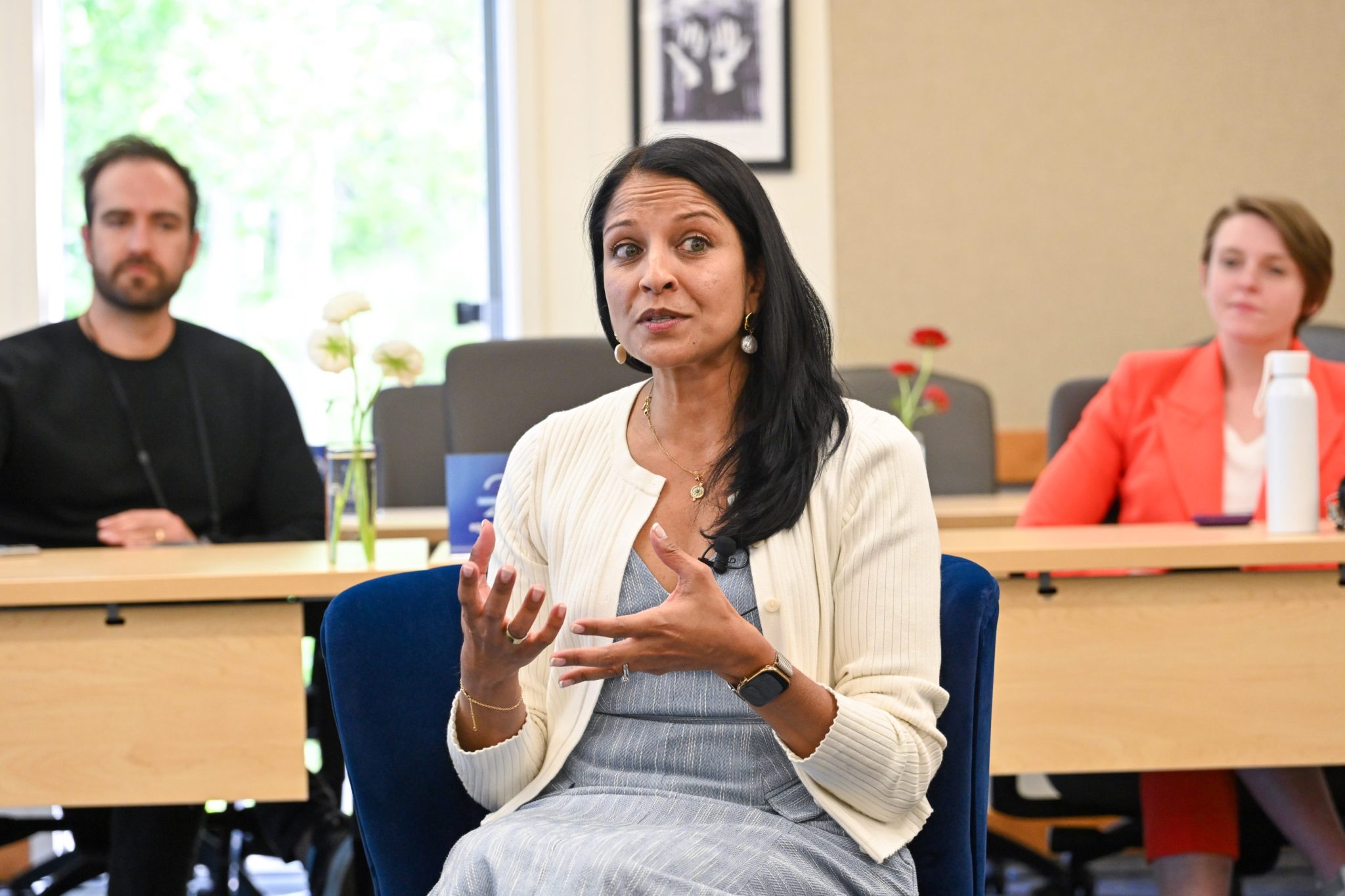
Lots of people know they could be eating more greens, sleeping better, and getting in more cardio. The problem is what to do with all that data now that people have real information about themselves, courtesy of wearable medical and health devices. And, moreover, identifying the exact behavior we need to change—and then actually altering it. Patrick Sheehan, vice president of value-based care at intelligent health devices company Withings, said wearable devices that measure the user’s health data have become “the cop on your wrist.” “It’s an accountability driver,” said Sheehan, who spoke at Fortune’s Brainstorm Tech conference in Aspen this month. “It doesn’t solve problems for you, but it tells you your problems.” The whole market, added Sheehan, is stuck at this surface-level issue, naming problems instead of resolving them. The solution isn’t another sensor attached to a different device. “The wearable paired with the action or an intervention is solving a problem,” said Sheehan. Ann Crady Weiss, CEO and co-founder of Hatch, which builds bedside consumer devices for adults and babies to improve sleep, has observed the same issue up close. “Data, in and of itself, is interesting, but making it actionable is really, really important,” she said. Getting someone to act, Crady Weiss argued, is just as much a problem of habit as much as it is technical. She said Hatch’s rivals for a bedtime audience aren’t other sleep apps, but rather “Netflix and TikTok.” In her view, the way to resolve the issue is to get “someone interested and looking forward to taking care of themselves.” Nele Jessel, Chief Medical Officer at healthcare records data firm athenahealth, said the gap between data and what to do with it has to be the first step in a path to more empowered decision making about health. “Turning data and information into knowledge is the first step,” Jessel said, because on its own, “data and information is just that, it’s random facts.” The harder leap, Jessel said, i