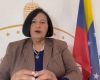
US-backed opposition figure Figuera returns to Venezuela to negotiate a 'credible' electoral body
Key takeaways
- The return is part of Washington's plan for a democratic transition in the country.
- According to a statement, the two agreed to set up a parity technical and political table with an agenda of concrete milestones and timelines.
- The former lawmaker distanced herself from opposition leader and Nobel Peace Prize laureate Mar a Corina Machado, who is separately promoting the Panama Agreement to negotiate a transition.
Why this matters: an international story with cross-border implications worth tracking.
Opposition figure Dinorah Figuera, president of the National Assembly elected in 2015 and exiled in Spain for nearly eight years, returned to Venezuela on Thursday at the invitation of the US State Department to negotiate a credible electoral authority with Delcy Rodr guez's interim government. The return is part of Washington's plan for a democratic transition in the country.
On her arrival at Maiquet a airport, Figuera said: ”I am taking up an invitation from the State Department (...) on the terms of having a credible National Electoral Council, where Venezuelans' vote can be freely expressed. Hours later, the National Assembly reported that a first meeting was held between Figuera —as a representative of the opposition deputies elected in 2015— and the head of Parliament, Jorge Rodr guez, designated for political dialogue by the interim president. According to a statement, the two agreed to set up a parity technical and political table with an agenda of concrete milestones and timelines. Figuera also plans to meet the US charg d'affaires, John Barrett.
The former lawmaker distanced herself from opposition leader and Nobel Peace Prize laureate Mar a Corina Machado, who is separately promoting the Panama Agreement to negotiate a transition. Figuera said she has no political aspiration and drew a distinction between the institutional and the political. The opposition led by Machado claims the victory of its candidate, Edmundo Gonz lez Urrutia, in the 2024 presidential election, in which Maduro proclaimed himself president amid fraud allegations.