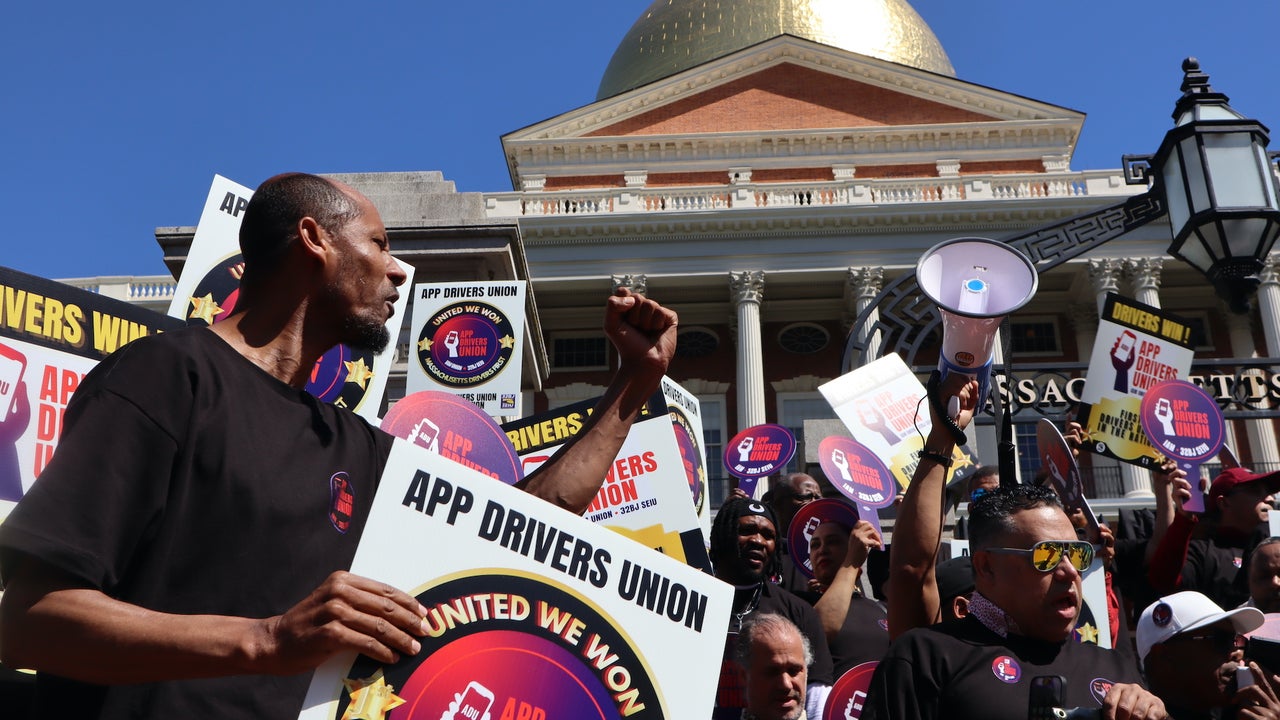
Uber and Lyft drivers in Massachusetts certify the nation’s first ride-hailing union
Drivers for ride-hailing apps such as Uber and Lyft in Massachusetts became the first in the nation Tuesday to certify a union, marking a milestone in the growing effort to organize gig-economy workers amid ongoing concerns over pay, expenses, and working conditions. The victory could provide a model for similar campaigns gaining traction in states including California and Illinois, where labor organizers are increasingly targeting app-based industries as drivers also grapple with the rapid expansion of self-driving technology. Fully driverless commercial rides without a human operator are not currently permitted in Massachusetts. The certification became possible after the state’s voters approved a 2024 ballot measure creating a first-in-the-nation framework allowing ride-hailing drivers to unionize and bargain collectively while remaining independent contractors. Organizers say the union could ultimately represent nearly 70,000 drivers statewide. As drivers waved signs and chanted with the gold dome of the Massachusetts State House providing a backdrop, labor leaders described the victory as the largest private-sector organizing win since Ford autoworkers unionized in 1941. Jean Fredo, who has driven for Uber for more than seven years, said he hopes the union will bring better pay, stronger protections against sudden deactivations, and more stability for drivers. “With the union, it will not feel like we’re working for nothing,” he said in French through a translator. “Now the money will not only stay in the billionaire’s pockets. The money will actually come to the workers who work very hard.” Fredo said when he started driving for Uber, he appreciated the flexibility and the ability to make his own schedule while still being present for his family. But over time, he said, he found himself working longer hours while earning less as gas and maintenance costs climbed. Drivers can also lose access to the apps with little warning or recourse, he said. “I live w