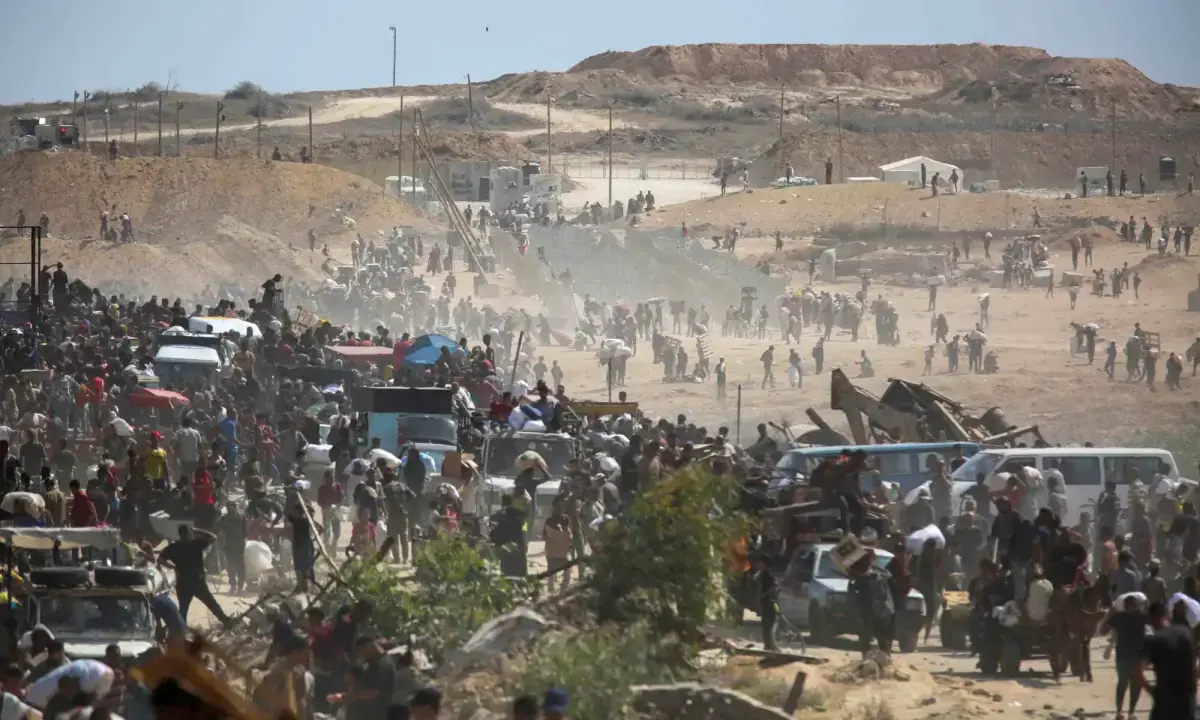
Doctors Without Borders says Israel has 'manufactured malnutrition crisis' in Gaza
Why this matters: local context for readers following news across Pakistan and the region.
Doctors Without Borders on Thursday accused Israel of having deliberately restricted food and aid in Gaza, creating a “manufactured malnutrition crisis” with particularly devastating impacts on infants and pregnant and breastfeeding women. The report also examined the harm done by the US- and Israeli-backed private organisation set up last year to largely replace UN distribution of aid in Gaza. The medical charity, known by its French acronym MSF, based its case on an analysis of the situation between late 2024 and early 2026 at four health facilities it supports in the Gaza Strip. That analysis showed significantly higher levels of prematurity and mortality among infants born to malnourished mothers, and spikes in miscarriages, it said. MSF linked these outcomes with Israel’s blockade of essential goods and attacks on civilian infrastructure, including medical facilities. “Insecurity, displacement, restrictions on aid, and limited access to food and medical care have had devastating consequences for maternal and newborn health,” the charity said in a statement. The situation remained “extremely fragile”, despite a ceasefire in place since last October after two years of devastating conflict, it warned. MSF called on the Israeli authorities to allow the unhindered entry of assistance and supplies into Gaza immediately. “The malnutrition crisis is entirely manufactured,” Merce Rocaspana, MSF’s medical referent for emergencies, said in the statement. Before the war in the Palestinian territory erupted, “malnutrition in Gaza was almost non-existent”, she said. Malnourished women giving birth MSF said it had collected data from more than 200 mothers and newborns receiving treatment in neonatal intensive care units at hospitals in Khan Yunis and Gaza City between last June and January. Its analysis found that more than half of the women were affected by malnutrition at some point during their pregnancy. A quarter of them were still malnourished during delivery. The impac