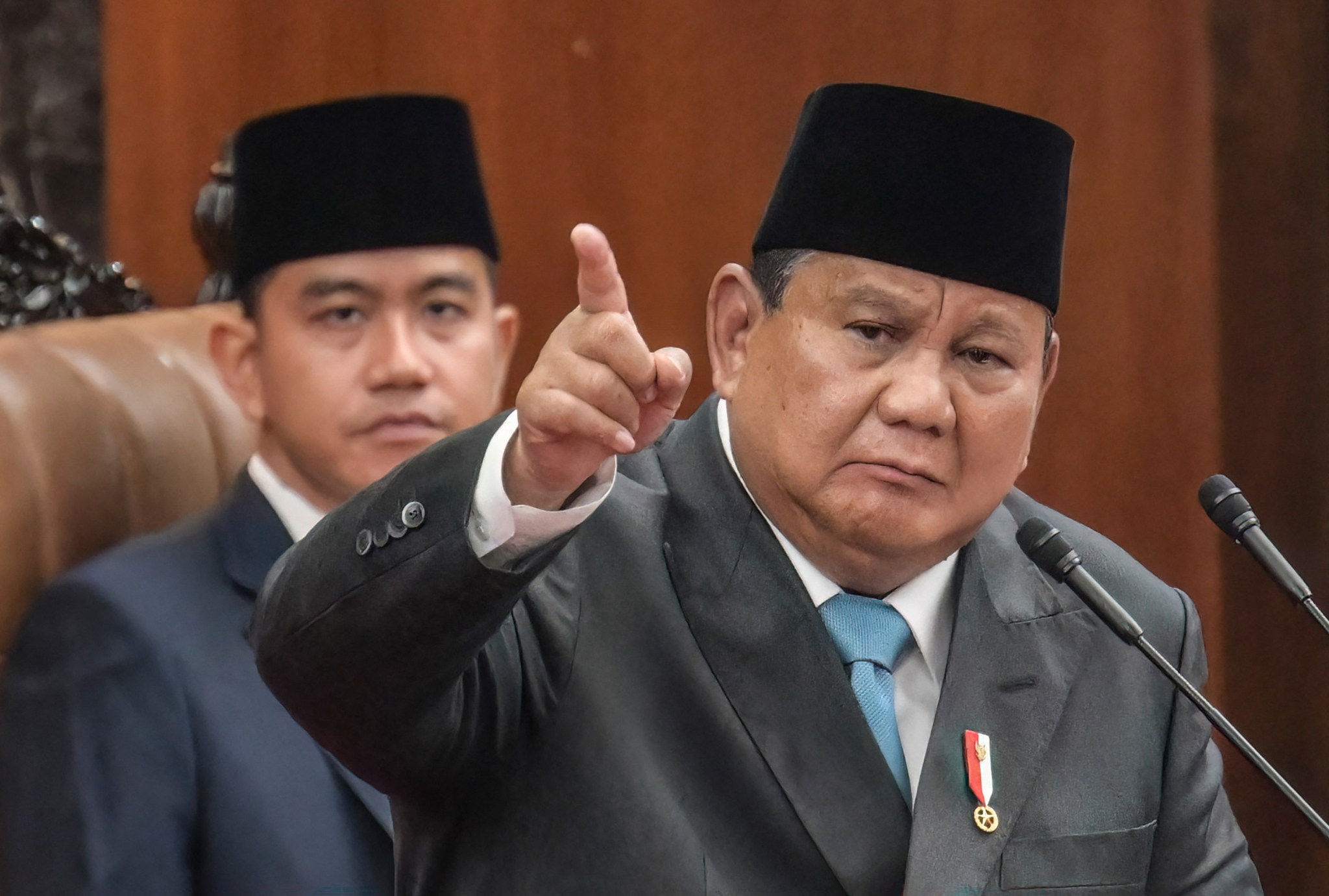
Indonesia jolts China with ‘hostile takeover’ of key commodities in American-influenced move
Indonesia is overhauling its trade policies for key commodities in a sudden move that some experts liken to a hostile takeover of major industries in the resource-rich nation, with global implications. The new regulation announced to parliament Wednesday by Indonesian President Prabowo Subianto mandates that a recently set up state-owned enterprise will handle the country’s exports of coal, palm oil and iron alloys by September. Prabowo said one aim is to increase tax revenues. That would help restore dwindling government reserves that have been exhausted by the energy shocks from the war in Iran. Given Indonesia’s role as a major commodities exporter, the new rules likely will ripple across international supply chains. Indonesia is the largest exporter of thermal coal, which is burned for energy, and palm oil, a key ingredient in everything from cosmetics to biofuels. The Southeast Asian nation of roughly 287 million people also has the world’s biggest known reserve of nickel, a mineral needed for electric vehicle batteries and stainless steel. As Indonesia’s largest trading partner, China will feel the brunt of this policy pivot, experts said. China is closely watching Indonesia’s “initiative to nationalize” and considering “how it would impact China’s further cooperation,” said Lei Xie with the UK-based think tank Third Generation Environmentalism. “The future path that Indonesia is taking is highly important for China.” The swiftness of the new rule’s implementation could affect access to needed resources for China’s clean technologies industries, which use Indonesian commodities to supply growing demand for renewable energy. Chinese companies are major investors in many Indonesian industries, including critical minerals. “Indonesia has become vital to China” since it supplies the commodities that “underpin China’s dominance in electric vehicles, batteries, and industrial manufacturing,” said Li Shuo with the US-ba