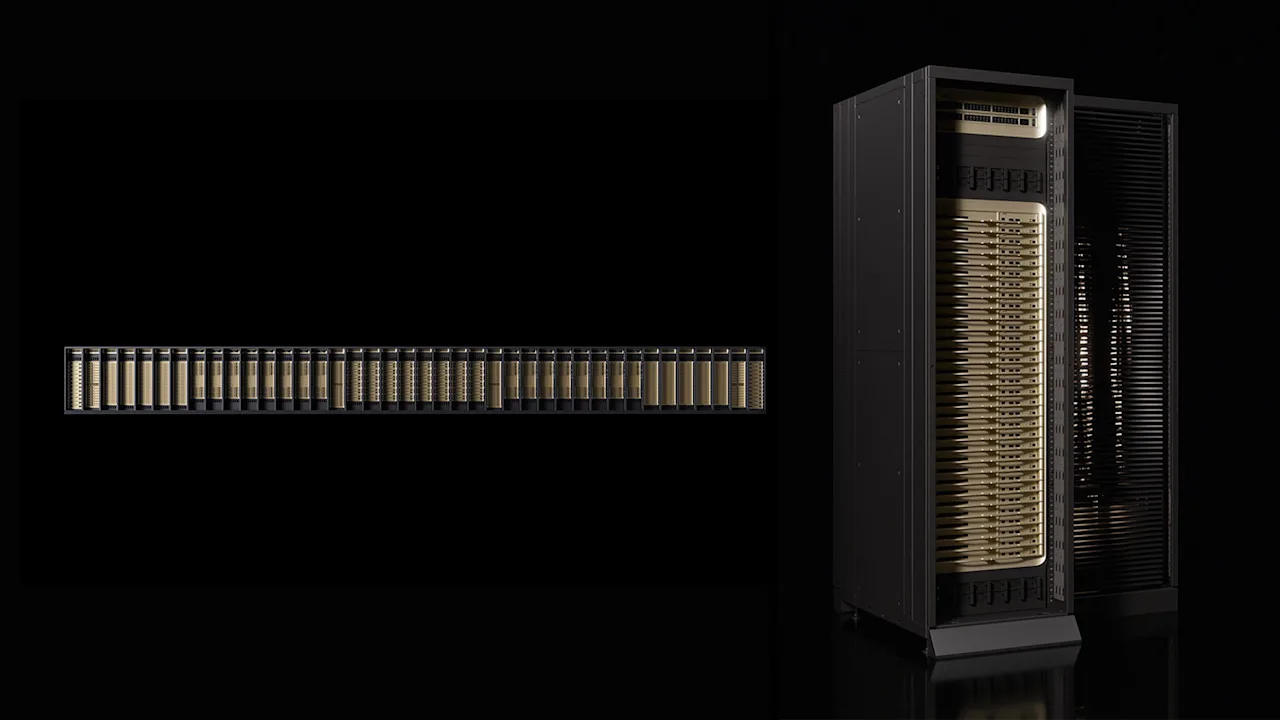
Nvidia’s Rubin AI platform will reportedly demand more DRAM than Apple and Samsung combined
If you think memory prices are high now, just wait. A new report from Citrini Research forecasts that Nvidia’s next-generation Rubin AI platform will require more than 6 billion GB of Low-Power Double Data Rate memory (LPDDR) in 2027. LPDDR is the low-power memory used in devices like smartphones, tablets, and ultra-thin laptops. If Citrini is correct, Nvidia could consume more LPDDR memory than Apple and Samsung combined. That could spell bad news for consumers looking to upgrade phones and other personal devices, especially as rising memory costs are already affecting prices across consumer electronics. Rubin, named after astronomer Vera Rubin, is a big bet for Nvidia. The company says the chips are designed to meet generative AI’s growing demand for real-time reasoning and will be twice as fast as Blackwell, Nvidia’s current flagship AI platform. Between Blackwell and Rubin, Nvidia has locked in $1 trillion in orders through the end of 2027, according to an announcement the company made in March. That’s great news for Nvidia and its investors. But for consumers already feeling the downstream effects of AI-driven demand, though, the timing could hardly be worse. The refresh cycle One of the pandemic’s side effects was a surge in consumer electronics purchases, as people stocked up on devices to stay entertained and connected while isolated at home. Now, six years later, many of those products are coming due for refresh. Televisions, for instance, are typically replaced every 6.6 years, according to Circana. That puts more than 20% of the sets in use globally in that upgrade zone, but the integration of smart services increases the need for onboard memory. PCs are also in the middle of an upgrade cycle, but RAM prices have risen anywhere from 150% to more than 200% over the past year. Storage prices, or what consumers pay for hard drives and SSDs, have followed a similar trajectory. And video card prices also remain high, as Nvidia continues prioritizing AI demand